Two tested itineraries for Northeast India covering Meghalaya, Assam, Sikkim, and Darjeeling. Real transport times, actual costs, and the homestays worth booking.
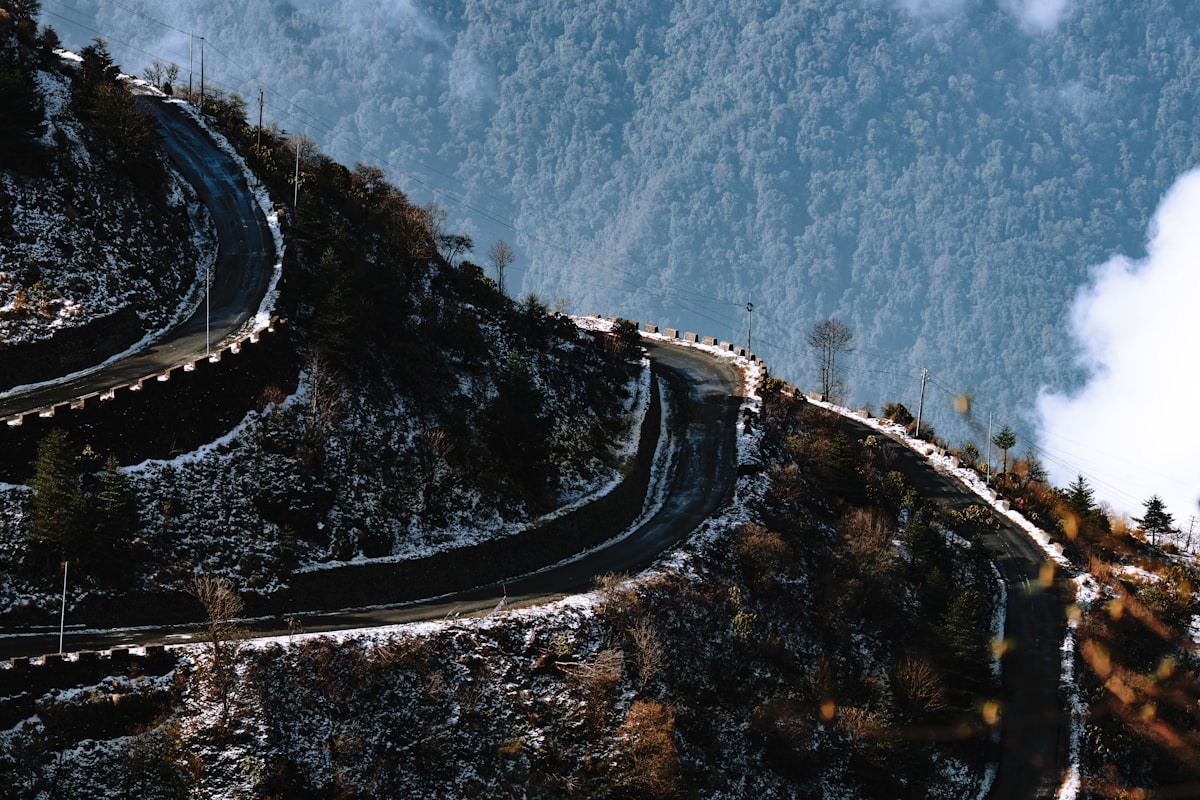
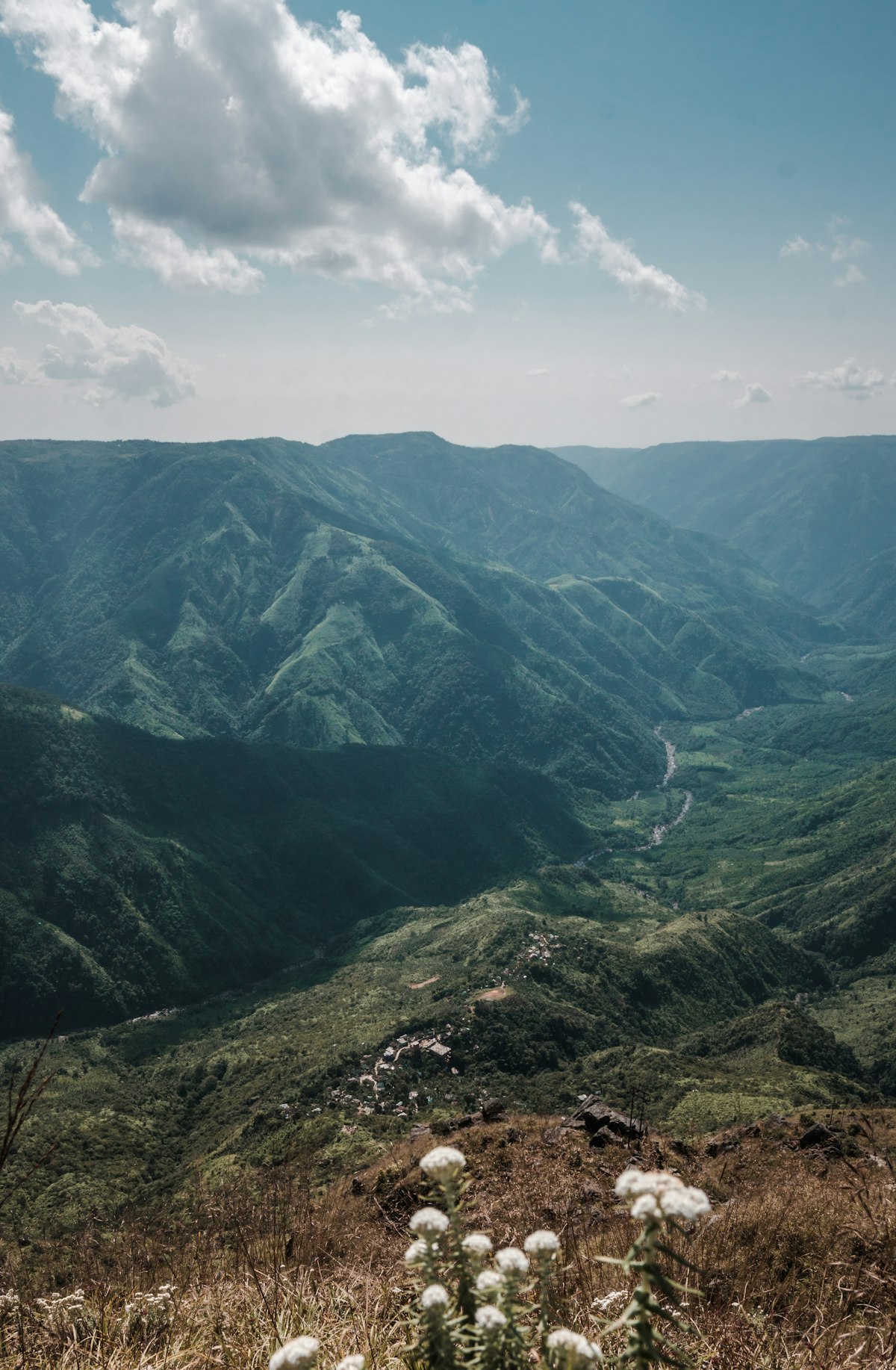
The distances in Northeast India are a trap. On the map, everything looks close. On the road, nothing is. A hundred kilometers that would take ninety minutes on a highway in Maharashtra will eat four hours on the switchbacks and landslide-patched stretches of Meghalaya or Sikkim. Factor in shared taxis that leave when they feel like it, chai stops that turn into hour-long breaks, and the occasional herd of cattle blocking a single-lane bridge, and your "tight but doable" itinerary starts falling apart by Day 2.
These two itineraries account for all of that. The travel times are based on actual driving, not Google Maps optimism. Every day has enough buffer to go slow, get lost, and sit somewhere beautiful without worrying about making it to the next destination before dark.
7 Days: Meghalaya Deep Dive
Best option for a first trip to Northeast India. Meghalaya packs the most variety into the least distance: city life, ancient forests, serious trekking, river camping, and some of the most unusual landscapes in India.
Day 1: Guwahati to Shillong
Land in Guwahati. Shared taxi from Paltan Bazaar costs INR 500 per person, takes about 3 hours. The last stretch climbs through the Khasi Hills and does a good job of waking you up.
Check into your Shillong stay. Don't plan anything demanding. Walk to Police Bazaar for dinner. Dylan's Cafe for pizza and Khasi food. ML 05 for something more local. If you order jadoh (rice cooked in pork stock) the staff will probably smile. It means you're not just passing through.
Day 2: Shillong
Drive to Laitlum Canyons early, 7 AM start. Forty-five minutes from the city. Spend a couple of hours at the viewpoint or descend into the canyon if you have the legs for it.
Afternoon: Mawphlang Sacred Forest, 25 km south of Shillong. Hire the local guide at the entrance (INR 300-500). The walk is easy and takes about two hours. The forest itself is extraordinary. Old-growth trees, orchids, a silence that has weight to it. The guide will explain the spiritual significance and which plants the Khasi use for medicine. One of those experiences that's hard to describe afterward but stays with you.
Back in Shillong for the evening. If it's a weekend, there will be live rock music somewhere around Police Bazaar. Ask around.
Day 3: Shillong to Cherrapunji
Drive to Sohra, 55 km, about 2 hours. Stop at Mawkdok Valley Viewpoint on the way. It's right off the road and the view catches you off guard.
Nohkalikai Falls in the late morning. India's tallest plunge waterfall, 340 meters. Easy viewpoint. Then Seven Sisters Falls from the Eco Park. Mawsmai Cave if you have time, takes 30 minutes and is right there.
Evening: settle into your Cherrapunji accommodation. If your room has a valley view, you might just sit there watching clouds roll below you until dinner.
Day 4: The Root Bridges Trek
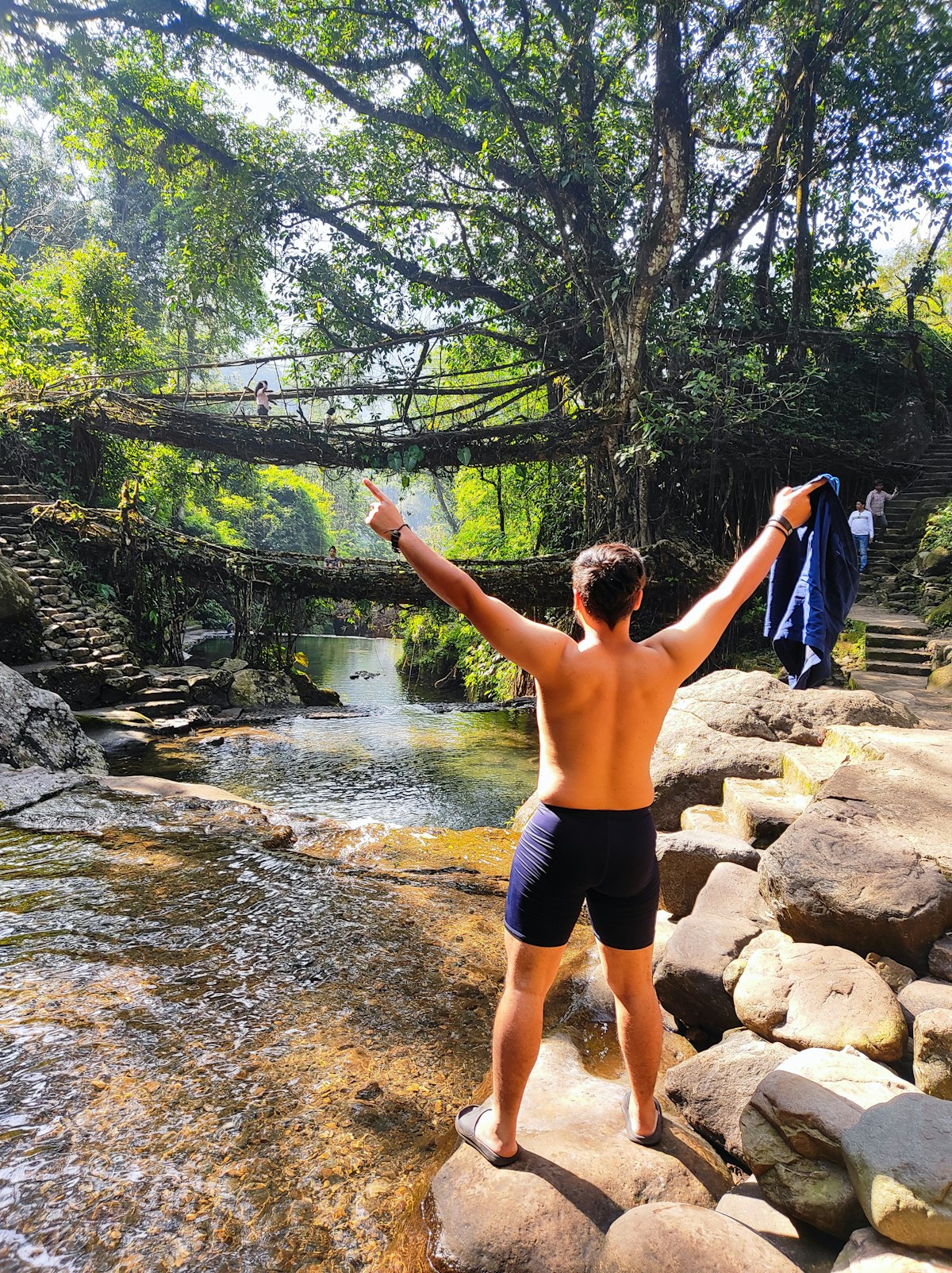
The big day. Drive to Tyrna village (12 km from Sohra), start descending by 7-8 AM. About 3,500 stone steps down to Nongriat village and the Double Decker Living Root Bridge.
The descent takes up to 2.5 hours. The bridge is worth all of it. Two layers of living tree roots crossing a river in dense forest. Swim in the pool beneath it.
The Double Decker Living Root Bridge near Nongriat village, Meghalaya
Stay overnight in Nongriat (INR 300-500, basic guesthouse). The alternative is climbing back up the same day, which is 2 to 4 hours of stair climbing in heat. Staying lets you see the bridge at dawn with nobody else there, and extend to Rainbow Falls (45 minutes further, permanent rainbow in the morning mist). The full trek guide covers every detail.
Day 5: Nongriat to Dawki/Shnongpdeng
Climb back up to Tyrna in the morning. Your legs will have opinions about this. Drive from Sohra to Dawki/Shnongpdeng, 3 to 4 hours.
Boating on the impossibly clear Umngot River near Dawki, Meghalaya
Arrive at Shnongpdeng, set up at a riverside tent camp. The Umngot River between November and January is startlingly clear. The Dawki camping guide has camp recommendations and prices.
Day 6: Dawki and Mawlynnong
Morning boat ride at Dawki for the crystal-clear water photos. Back to Shnongpdeng for kayaking (INR 300-500), cliff jumping (INR 200-300), or snorkeling (INR 400-600).
Afternoon: drive to Mawlynnong (30 km, 45 minutes). Walk the village, climb the sky walk, visit the Riwai root bridge.
Evening: drive back to Shillong, about 3 hours from Mawlynnong.
Day 7: Shillong to Guwahati
Morning shopping if you want. Police Bazaar has local honey, Khasi textiles, pickles. Transfer to Guwahati airport, 3 hours. If your flight is late, Kamakhya Temple in Guwahati is worth a stop. Intense, crowded, deeply spiritual. Not everyone's thing.
10 Days: Meghalaya + Darjeeling + Sikkim
Do the first 6 days of the Meghalaya itinerary above. On Day 7, instead of flying home, extend east.
Day 7: Shillong to Guwahati, Fly to Bagdogra
Fly Guwahati to Bagdogra (about 1 hour, usually affordable). Drive from Bagdogra to Darjeeling, 70 km, 3 to 3.5 hours up the Hill Cart Road.
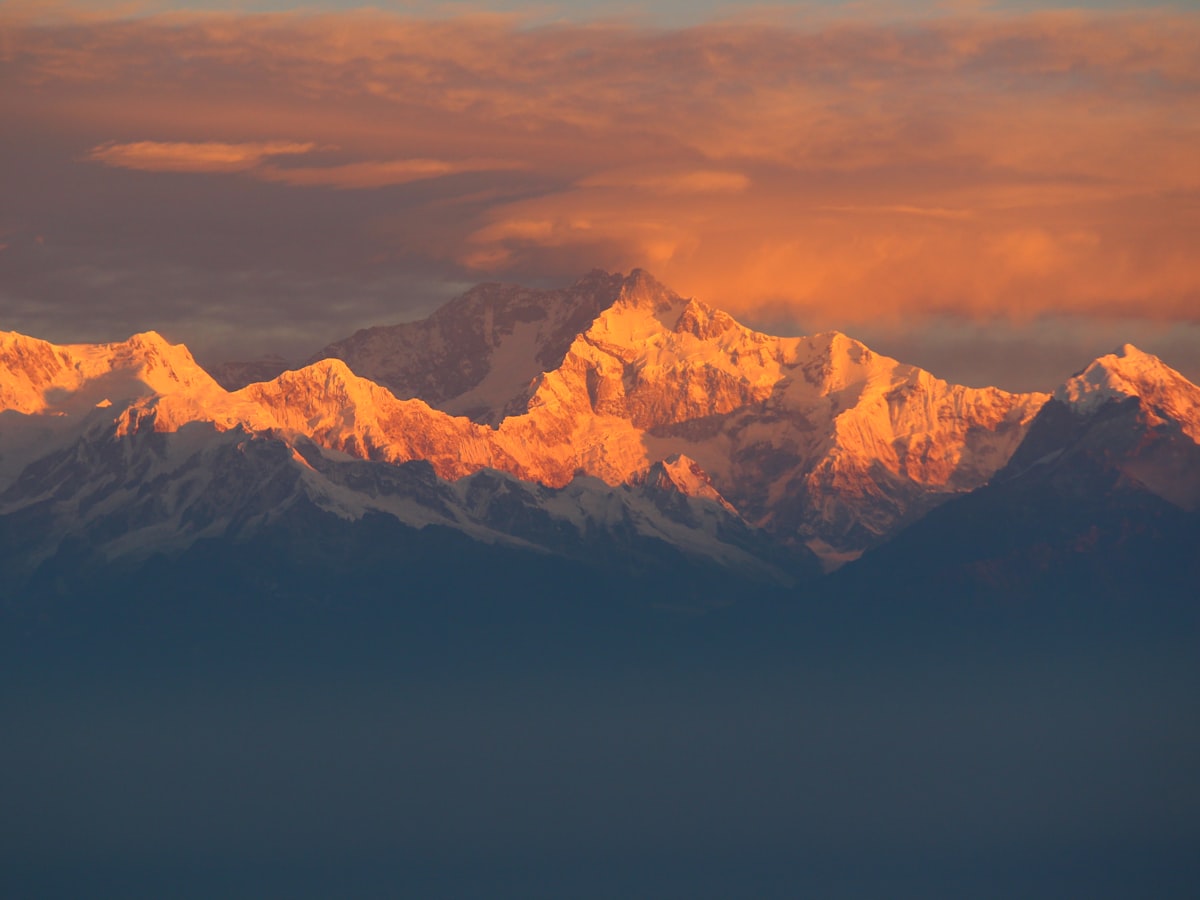
Check into your Darjeeling stay. Walk to Chowrasta, the main square. Tea at Glenary's or Keventers. On clear evenings, Kanchenjunga turns pink at sunset. It doesn't always cooperate, but when it does, you just stand there.
Day 8: Darjeeling
Tiger Hill sunrise if you're up for a 4 AM wake-up call. Clear skies maybe 50-60% of the time. When it works, watching sunlight hit Kanchenjunga (and sometimes a distant Everest) is a moment you'll remember. When the clouds don't part, you'll have a cold, bleary morning and a good story.
Darjeeling tea gardens spreading across the hillside
Walk back through Batasia Loop and Ghoom Monastery. Afternoon: visit a tea estate. Happy Valley is the most accessible. The tour walks you through the gardens, the processing factory, and ends with tasting fresh Darjeeling tea in a place where you can actually see where it grows.
The Toy Train (Darjeeling Himalayan Railway, UNESCO World Heritage) does a short joyride from Darjeeling to Ghoom. Book in advance during peak season.
Day 9: Darjeeling to Gangtok
Drive to Gangtok, 100 km, 4 to 5 hours through the Teesta River valley. Beautiful road, slow going.
Gangtok will surprise you. It's clean, well-maintained, prosperous. Walk MG Marg in the evening, the pedestrian-only main street. Good restaurants, good shops, a genuinely pleasant city to wander.
Eat momos. Gangtok momos are different. The dough is thinner, the fillings are better. Thukpa (noodle soup) is the other thing to order. The Roll House on MG Marg for quick bites. Taste of Tibet for a longer meal.
Day 10: Gangtok and Departure
Two options for the morning:
Rumtek Monastery (24 km), one of the most important Tibetan Buddhist monasteries outside Tibet. Stunning architecture, sacred relics, about an hour's drive.
Or Tsomgo Lake (40 km, 12,300 feet elevation). Glacial, sacred, surrounded by yaks that are very aware it's their lake and you're just visiting. You'll need an Inner Line Permit, which your hotel can arrange the day before for INR 200-300.
Afternoon: transfer to Bagdogra airport, 130 km, 4 to 5 hours. Fly out.
If you have an extra day, do both. Or add Pelling for close-up Kanchenjunga views and the Rabdentse ruins. Browse properties in Sikkim.
Transport Reference
Route
Distance
Time
Shared Taxi
Private Cab
Guwahati to Shillong
100 km
2.5-3 hrs
INR 500/person
INR 2,500-3,500
Shillong to Cherrapunji
55 km
1.5-2 hrs
INR 200-300/person
INR 1,500-2,000
Shillong to Dawki
80 km
2.5-3 hrs
INR 300-400/person
INR 2,000-2,500
Shillong to Mawlynnong
73 km
2.5-3 hrs
INR 250-350/person
INR 1,800-2,200
Guwahati to Bagdogra (flight)
n/a
1 hr
n/a
INR 3,000-6,000
Bagdogra to Darjeeling
70 km
3-3.5 hrs
INR 300-400/person
INR 2,500-3,000
Darjeeling to Gangtok
100 km
4-5 hrs
INR 300-400/person
INR 3,000-4,000
Gangtok to Bagdogra
130 km
4-5 hrs
INR 400-500/person
INR 3,500-4,500
Shared taxis here are Sumos or Boleros that depart when they're full. Cheap but cramped and on their own schedule. Pre-book private cabs through your accommodation.
Mountain roads flood in monsoon (June to September). Landslides close highways for hours, sometimes days. Build buffer time if traveling during these months.
Budget (Per Person)
Category
7 Days Budget
7 Days Mid-Range
10 Days Budget
10 Days Mid-Range
Accommodation
INR 5,000
INR 15,000
INR 8,000
INR 25,000
Food
INR 3,500
INR 7,000
INR 5,000
INR 10,000
Transport
INR 4,000
INR 10,000
INR 8,000
INR 18,000
Activities
INR 1,500
INR 4,000
INR 2,500
INR 6,000
Flights (10-day)
n/a
n/a
INR 3,500
INR 5,000
Total
INR 14,000
INR 36,000
INR 27,000
INR 64,000
Common Mistakes
Covering too much ground. Five days in Meghalaya beats two days each in Meghalaya, Assam, and Nagaland. You'll spend more time in vehicles than at destinations.
Running out of cash. UPI barely works outside major towns. ATMs run dry regularly. Withdraw generously in Guwahati, Shillong, or Gangtok.
Underestimating the root bridges trek. Fit people struggle with the ascent. Walk stairs for a few weeks before your trip if you can.
Traveling during monsoon without understanding monsoon. June through September: heavy rain, landslides, road closures, leeches. Waterfalls look incredible. Everything else becomes much harder.
Skipping the local food. Pork and rice and fermented everything in Meghalaya. Momos and thukpa in Sikkim. Some of the most interesting food in India, and most visitors eat at tourist restaurants instead.
Skipping local guides. For the Nongriat trek and Mawphlang Sacred Forest, guides don't just navigate. They tell you stories, explain the culture, and point out things you'd walk right past. The money goes directly to local families.
Forgetting Sikkim permits. Indian nationals need Inner Line Permits for Tsomgo Lake, Nathula Pass, and North Sikkim. Foreign nationals need a Restricted Area Permit for Sikkim itself. Your hotel or a Gangtok agent can arrange these in a day.