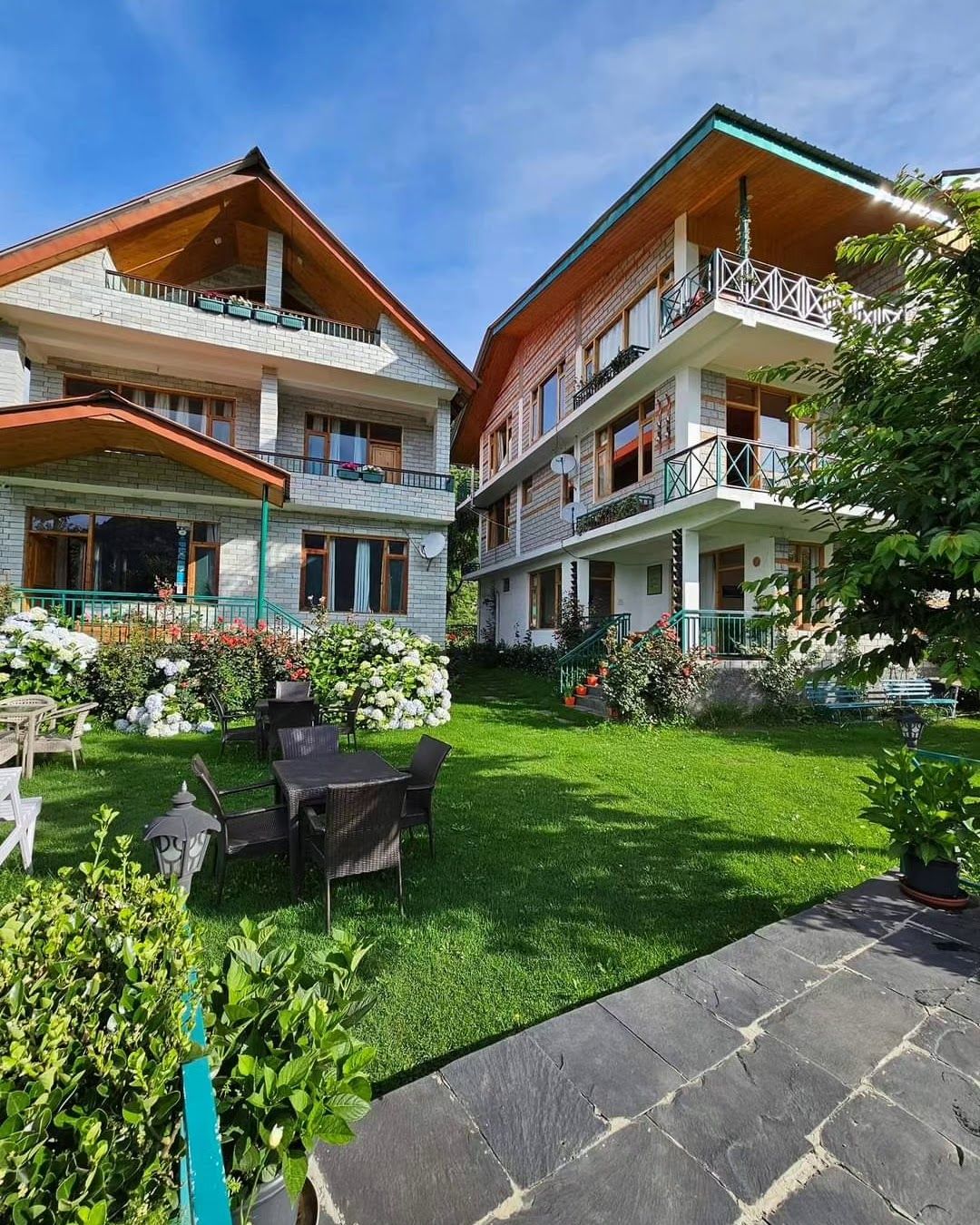
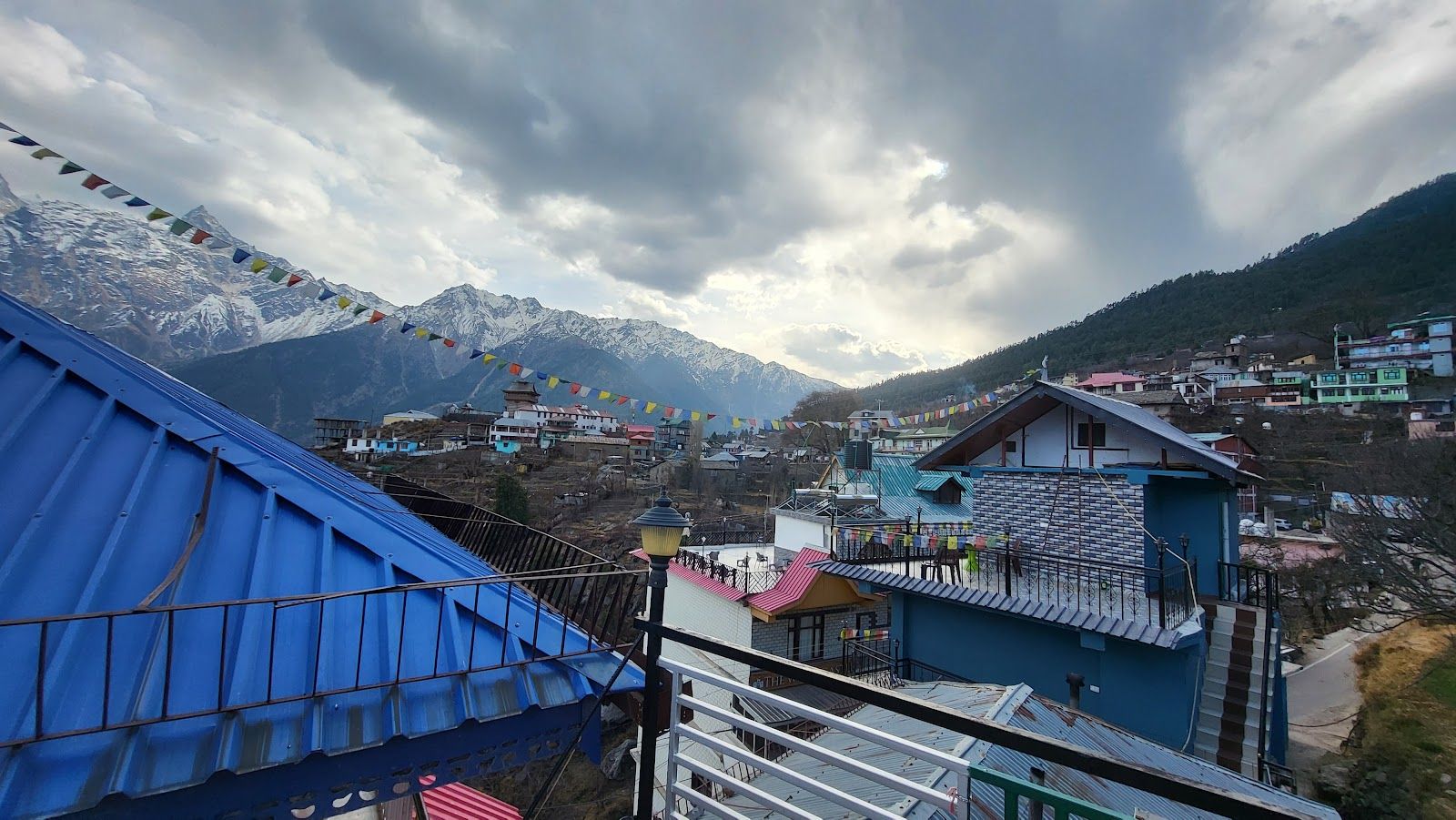
I seriously don’t even have words to explain how beautiful this place is. It’s just unbelievably stunning. The view from here is absolutely breathtaking — so peaceful and so beautiful. The hospitality here is amazing. Jaswant ji took such great care of us throughout our stay. He is very humble, kind, and genuinely helpful, which made our experience even more special. A special mention to Gaurav ji for the incredibly delicious food. everything we tried was super tasty. Honestly, you can eat anything here and you won’t be disappointed. The taste and quality of the food are excellent. The entire staff is very helpful and welcoming. The place is extremely clean, well-maintained, and very hygienic. It truly feels like luxury in the mountains. Would definitely recommend this place to anyone looking for a beautiful and comfortable stay.
Homestays in Kasol, quietly.
We leave out homes rated under 4.3 on Google.
14 homes in Kasol, from ₹3,399 a night, 4.8★ on Google.
Homestays in Kasol
Mountain View Homestay w/ Market Center HP
Couples Retreat Homestay w/ 2 Rooms, HP
Kasol Homestay in Parvati Valley with Balcony
Valley & Mtn View House, 6 BR, 12 Guests, HP
Hills View Traditional Stay, Himachal
Chojh Temple Homestay w/ 6 Rooms, HP
Parvati Valley Hut, Trails & Friends, HP
Riverside house in Kasol, Parvati Valley
Glass Roof Hut w/ Stargazing & Mtn Views, HP
Riverside Camp Cabins w/ Bonfire & Views, HP
Magnificent Views Homestay w/ Cafe HP
6-Bedroom Hill Homestay in Kasol, Parvati Valley
Riverfront Tent Camp w/ Home Meals, HP
Kasol homestay by the river, Parvati Valley
Google reviews
What guests said about Kasol.
Madhur Babbar, Couples Retreat Homestay w/ 2 Rooms, HP · 2 months ago
seema dhankhar, Couples Retreat Homestay w/ 2 Rooms, HP · 2 months ago
Neha Dhar, Couples Retreat Homestay w/ 2 Rooms, HP · 3 months ago
+ About Kasol: guide, prices, FAQ
Kasol homestay
A field-guide to Kasol / Parvati Valley homestays.
Kasol gets written about as "mini Israel" and "the backpacker capital of Himachal" so often that most guides for the place blur into the same recycled paragraph. Here's what Fursat actually has: nine stays across this stretch of Kullu district, four in and around Kasol town, one up in Tosh at the far end of the Parvati Valley, and four in Jibhi, which is a separate valley altogether, about a 1.5-2 hour drive away in the Banjar/Tirthan side of the district. They share a backpacker circuit but they're genuinely different places, and we'd rather tell you that up front than lump them together the way most listicles do.
The catalog runs from a ₹4,000/night homestay with home-cooked meals to a 17-bedroom property built for trekking groups of 30+. Google ratings across the nine sit between 4.4 and 5.0, but review counts are small, five to nine per property, so treat them as an early signal rather than a verdict.
What's actually here
Fursat's Kasol, Tosh, and Jibhi stays
In Kasol town: a small riverside homestay for couples and small families, a step-up riverside house sleeping about 10, and a larger market-side homestay for groups of up to 16. For trekking groups there is a very large property sleeping about 34.
Up the valley in Tosh: a cottage in Tosh village, the last proper village at the top of the Parvati Valley, a short jeep ride past Barshaini. It's where you stay if the point of the trip is mountains rather than cafes.
In Jibhi (a separate valley, see below): a small apple-and-pear homestay with home meals and views (the highest-rated stay in this whole catalog), a 3-bedroom cottage for 6, a pine-view house for 16, and a large-group house for around 30.
Areas
Parvati Valley vs Jibhi, because they're not the same place
The Parvati Valley opens at Bhuntar, where the Parvati river meets the Beas, and climbs east past Jari to Kasol, the valley's hub, a riverside village of cafes, bakeries, and guesthouses that fills up fast in season. Four kilometres on is Manikaran, famous for its hot springs and the Manikaran Sahib gurudwara. The road ends at Barshaini, from where footpaths lead to the high villages: Tosh, Kalga, and the Kheerganga trek. The further up the valley you go, the quieter and colder it gets. Across the river from Kasol, a 30-minute walk reaches Chalal, a smaller, mellower village many people prefer to Kasol itself.
Jibhi sits in the Banjar valley on the NH-305 road that climbs toward Jalori Pass, next door to the Tirthan Valley and the Great Himalayan National Park. It is not in the Parvati Valley; getting between Kasol and Jibhi is a 1.5-2 hour drive back through the Kullu valley. Jibhi's character is different too: cedar forest, trout streams, wooden kath-kuni houses, and far fewer party tourists. If Kasol's scene sounds like a bit much, Jibhi is the honest recommendation, and it's why we carry stays there.
What it costs
Kasol and Jibhi stay pricing
Whole-property prices vary widely across Fursat's nine stays, from a small Jibhi homestay for up to 3 guests to a market-side Kasol homestay for 16. Where per-room pricing applies, rooms are the value option for groups. Each price is on its card above.
For big trekking or college groups, there are two purpose-scale properties, one in the Parvati Valley (about 34 guests) and one in Jibhi (about 30). These are simple, dorm-scale properties priced for backpacker budgets, not villas; message us on WhatsApp with your headcount and dates and we'll confirm exactly what the total works out to before you commit.
When
Best time to visit Kasol and Jibhi
March to June is the classic window: the snow has melted off the valley floor, days are warm, and the Kheerganga trail is fully open. July to mid-September is monsoon, and this is worth taking seriously in the Parvati Valley, where the Bhuntar-Kasol road is prone to landslides and the river runs high; Jibhi gets rain too but the forest turns intensely green and crowds vanish. October and November are arguably the best months of all: crisp air, clear mountain views, and autumn colour, before winter sets in.
December to February brings snow to the higher villages. Tosh regularly snows in, Jalori Pass above Jibhi closes after heavy snowfall, and homestays run on wood stoves and heavy blankets. It's beautiful and cheap, but travel with buffer days and warm layers, and check road conditions before driving up.
Nearby
Things to do from a Kasol or Jibhi base
From Kasol: the Kheerganga trek (a 12-13 km walk from Barshaini to hot springs at ~2,950m, the valley's signature overnight trek), the Manikaran hot springs and gurudwara, the riverside walk to Chalal, the steeper day-hike to Rasol village, and the trek to Malana, the famously insular village in a side valley. Tosh itself is worth a night even if you're based in Kasol, for sunset over the Papsura and Dharamsura peaks at the valley head.
From Jibhi: the Jibhi waterfall a short walk from the village, Jalori Pass (3,120m) and the gentle forest walk from the pass to Serolsar Lake, the 1,500-year-old tower-house of Chehni Kothi, trout fishing and riverside days in the neighbouring Tirthan Valley, and day hikes into the buffer zone of the Great Himalayan National Park, a UNESCO World Heritage site.
Common questions
Kasol / Parvati Valley homestays, the questions guests ask
How do I reach Kasol?
The nearest airport is Bhuntar (Kullu), about 31 km away, with flights from Delhi that are weather-dependent. Most people take an overnight Volvo bus from Delhi (11-13 hours) to Bhuntar or direct to Kasol/Manikaran, or drive. Jibhi is reached from the same Delhi road, turning off at Aut before the Kullu tunnel onto NH-305 via Banjar.
Should I stay in Kasol, Tosh, or Jibhi?
Kasol if you want cafes, the market, and easy access to everything, at the cost of crowds in season. Tosh if you want to be in the mountains proper, at the top of the Parvati Valley near the Kheerganga trailhead. Jibhi if you want quiet: it's a separate, calmer valley about 1.5-2 hours' drive away, with forest, trout streams, and our highest-rated homestay (Apple & Pear, 5.0★ from 9 reviews).
Does Fursat have stays for large groups in Kasol?
Yes. There is a Parvati Valley property for up to 34 guests and a Jibhi house for up to 30, plus mid-size options sleeping 16 in Kasol and Jibhi. Message us on WhatsApp with your headcount and we'll match you to the right one.
What's the best time to visit Kasol?
March to June for warm trekking weather, or October-November for clear skies and autumn colour. Avoid the July-mid-September monsoon if you can, since the Bhuntar-Kasol road is landslide-prone. Winter (December-February) is snowy and quiet; Tosh and the higher villages can snow in, so keep buffer days.
Is Kasol only for backpackers?
No, but it helps to know what you're getting. Kasol town in peak season is young, busy, and cafe-centric. Families and quieter travellers usually do better a little away from the main strip, in Tosh, in Chalal, or in Jibhi, and several of our stays there (like the 3-bedroom Valley view cottage in Tosh or Mountain Escape Cottage in Jibhi) are set up exactly for that.
How does booking work on Fursat?
There's no online checkout. You browse the stays, pick one, and the enquiry happens over WhatsApp, where we confirm dates, headcount, and the exact price with the owner before anything is paid. It's slower than an instant-book button and considerably harder to get burned by.
How do I get to Kasol?
The nearest airport is Bhuntar (Kullu-Manali), about 29.8 km away and roughly 1 hour 6 minutes by road. Kasol is about 36 km from Kullu town. The nearest railway station is Joginder Nagar, 145 km away on the narrow-gauge line.
How high is Kasol?
Kasol sits at about 1,580 m (5,180 ft) above sea level. Snowfall comes from late December to February, so check road conditions before travelling in those months.
Who runs the homes on Fursat in Kasol?
14 homes run by people who actually live in Kasol. They know the viewpoints, the trails, where to eat at 11pm.
Are the reviews on Fursat real?
Average 4.8 on Google with real guest reviews. We don't carry stays under 4.0. No fake reviews, no paid placements.
Is Fursat pricing the same as what the owner charges?
From ₹3,399 to ₹23,999 a night, average ₹7,128. Same number we send the host.
How do I book a stay in Kasol on Fursat?
No login wall, no app to install. Message us on WhatsApp, we shortlist three homes that fit your dates and group. Reply within the hour.
What is the WhatsApp number to book a stay in Kasol?
Message us directly on WhatsApp at +91 70017 20275 with your dates and group size - we'll confirm availability with the host in Kasol within the hour. No app, no card-on-file checkout.
Can I book an entire property in Kasol for a family or group trip?
Yes. Fursat lists 12 whole-property homes in Kasol with 4 or more bedrooms, rated 4.3+ on Google, so nothing is shared with other guests. Examples include Kasol Homestay in Parvati Valley with Balcony, Valley & Mtn View House, 6 BR, 12 Guests, HP, Hills View Traditional Stay, Himachal.
Is there a stay in Kasol for a large group?
Yes, Kasol's whole-property homes on Fursat range up to 51 guests, across 12 properties with 4+ bedrooms. Message us on WhatsApp with your group size and we'll match you to one that fits.
Continue reading
More in Kasol
Different angles on the same place.
Also explore