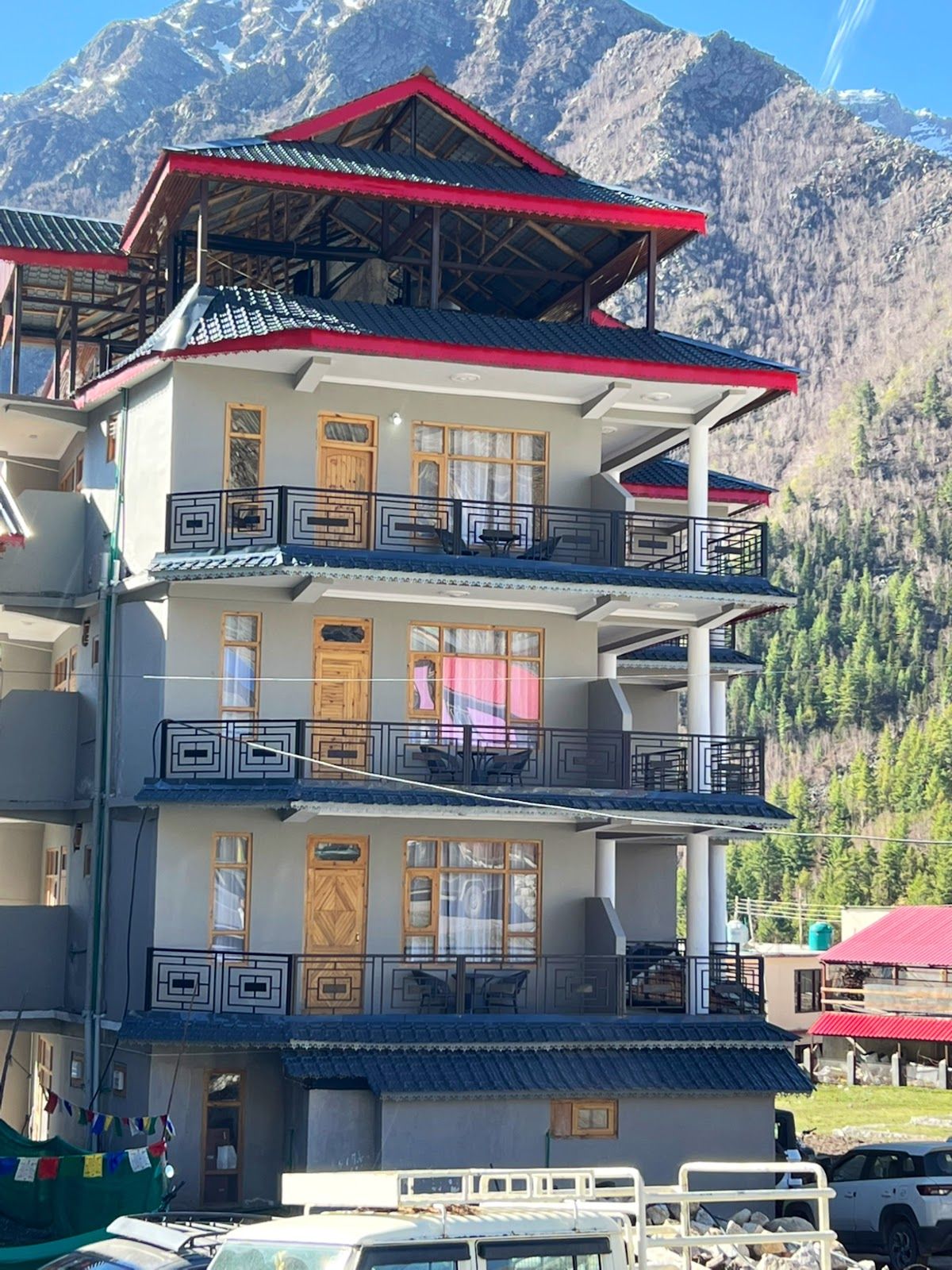
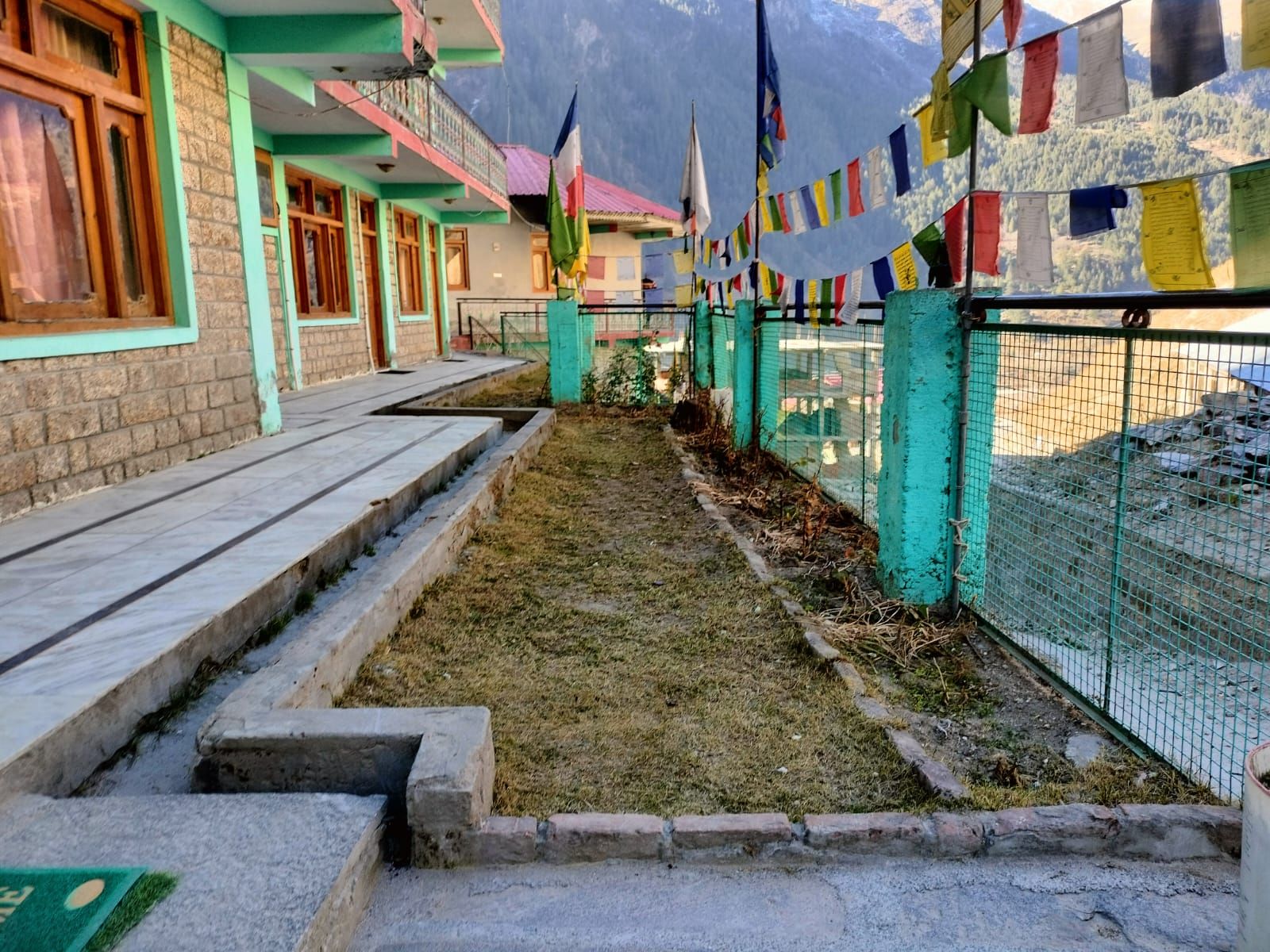
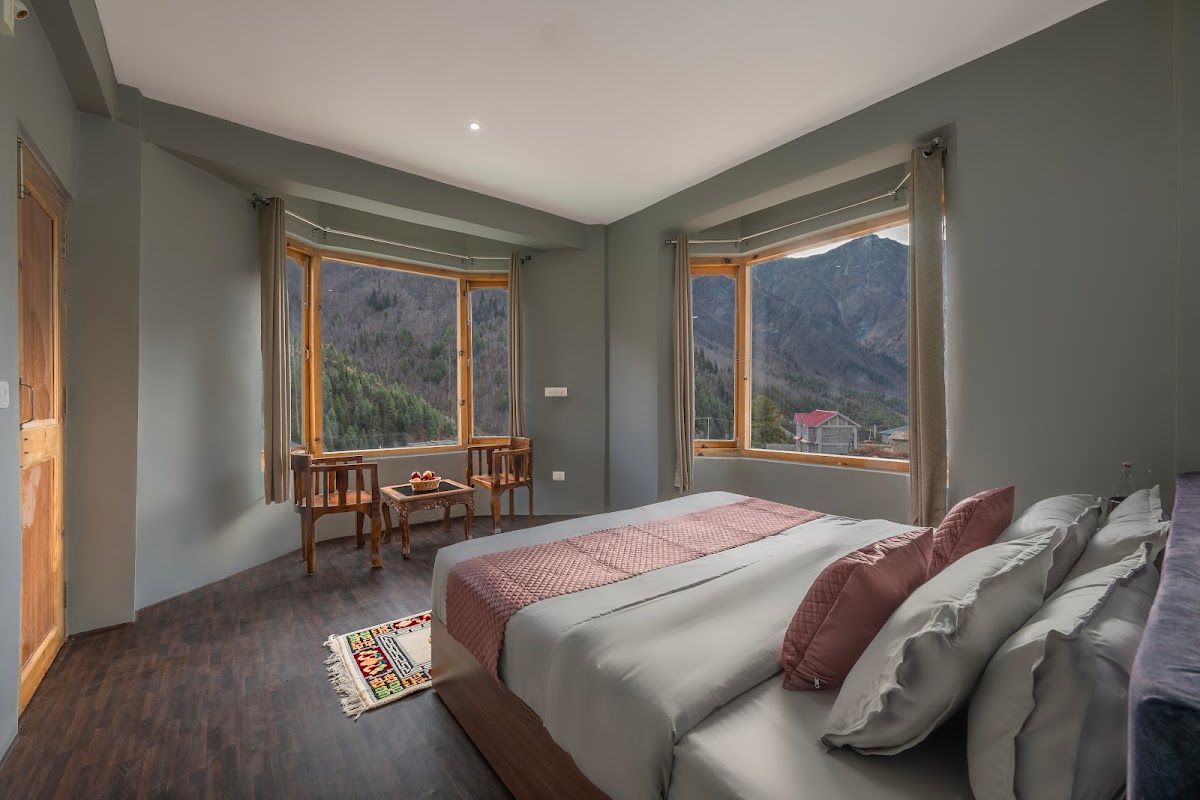
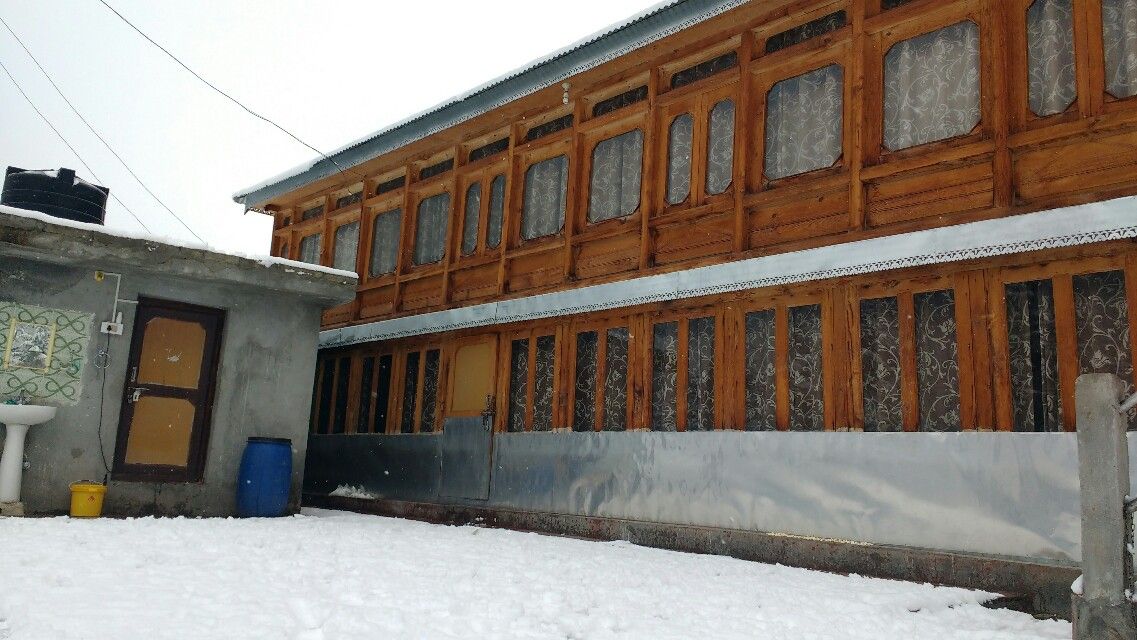
“We had an absolutely wonderful stay! The room was clean, spacious, and offered truly breathtaking views of the mountains. Waking up to that view in the morning was unforgettable. They do provide electric blanket — it kept us cozy and comfortable throughout the chilly nights. They also provide room heater only if required with some extra charges.. Highly rec...”
“We three friends stayed at this property for one night during December. Accommodation was good and rooms were clean. Best part of the rooms is that they had heaters given to the beds. Also food served was really good. Their home style dishes are must try.”
“I recently stayed at this beautiful property with my husband and pet. Absolutely loved the experience! The location is breathtaking — you wake up to a gorgeous mountain view and the soothing sound of a nearby river. Also the staff is polite and courteous”
“The hotel is easily accessible by vehicle. The host was amazing with all the kindness. The room, the staff, the food, everything was really good. They have got an indoor restaurant fireplace to keep warm and bed heaters aswell. Would recommend 10/10”
“Great service, rooms were really clean. And food was too good too. Thank you”
Chitkul is the last inhabited village on the old Hindustan-Tibet trade route. It's a destination in itself, but also a key stop on the Spiti circuit.
The Spiti Valley loop is a classic Himalayan road trip, accessible from Chitkul. The drive takes you through some of the highest villages in the world, including Kaza, the administrative centre of Spiti, and the iconic Ki Monastery, which seems to cling to the side of a cliff. The season for the full loop is short, typically from June to October when the high passes are clear of snow. Note that a permit is required to cross from Kinnaur into Spiti, obtainable at the checkpost.
Closer to the home, you can walk through Chitkul village, visit the local temple, or hike along the Baspa river. The landscape changes dramatically with the seasons, from green in the summer to stark white in the winter.
The journey to Chitkul is a significant part of the experience. The roads are winding and the views are constant.
By Air: The most reliable airport is Chandigarh (IXC). From there, it's a long road journey (around 12-14 hours) that is best broken up with an overnight stop in Shimla or Narkanda. Shimla (SLV) has a small airport with limited, weather-dependent flights.
By Rail: The nearest major railhead is Chandigarh (CDG). You can also take a train to Kalka (KLK) and then board the UNESCO World Heritage toy train to Shimla, a slow but scenic journey. From Shimla, you will need to travel by road.
By Road: Chitkul is accessible by road from Shimla (approx. 245 km, 8-10 hours) or from the Spiti Valley side via Kaza (in summer). NH-21 and NH-3 can be prone to landslides during the monsoon (July-August).
The best time to visit is in the two windows of clear weather. The spring and summer months, from March to June, see the snow melt and the valley turn green. The second window is post-monsoon, from September to November, when the skies are crisp and clear, offering the best mountain views.
Winters (December to February) bring heavy snow, often cutting off road access to Chitkul for days or weeks at a time. The monsoon season (July and August) is best avoided due to the risk of landslides on the mountain roads.