A 5-day curated journey through Meghalaya's most iconic destinations, designed around our three best-performing properties. You'll trek 3,500 steps to the Double Decker Living Root Bridge, boat on the crystal-clear Umngot River at Dawki (where boats appear to float in mid-air), explore Nohkalikai Falls - India's tallest plunge waterfall at 1,115 ft - and walk through Mawlynnong, voted Asia's cleanest village. Every night you sleep at a locally-run homestay with real Google reviews, not a chain hotel. No tourist-bus chaos, no cookie-cutter itineraries.
The itinerary.
Shillong
- 09:00Pickup from Guwahati Airport (Lokpriya Gopinath Bordoloi International - GAU)
- 09:30Drive to Shillong via NH6 through the Khasi Hills (99 km, 2.5–3 hours). Well-maintained highway with winding mountain sections.
- 12:00Stop at Umiam Lake (Barapani) - 17 km before Shillong. Turquoise reservoir surrounded by pine forests. Entry ₹50. Optional: kayaking ₹20, speed boat ₹75, yachting ₹100/hr. Photo stop 30–45 min.
- 13:00Lunch near Umiam (on your own). Local restaurants serve thali meals ₹150–250.
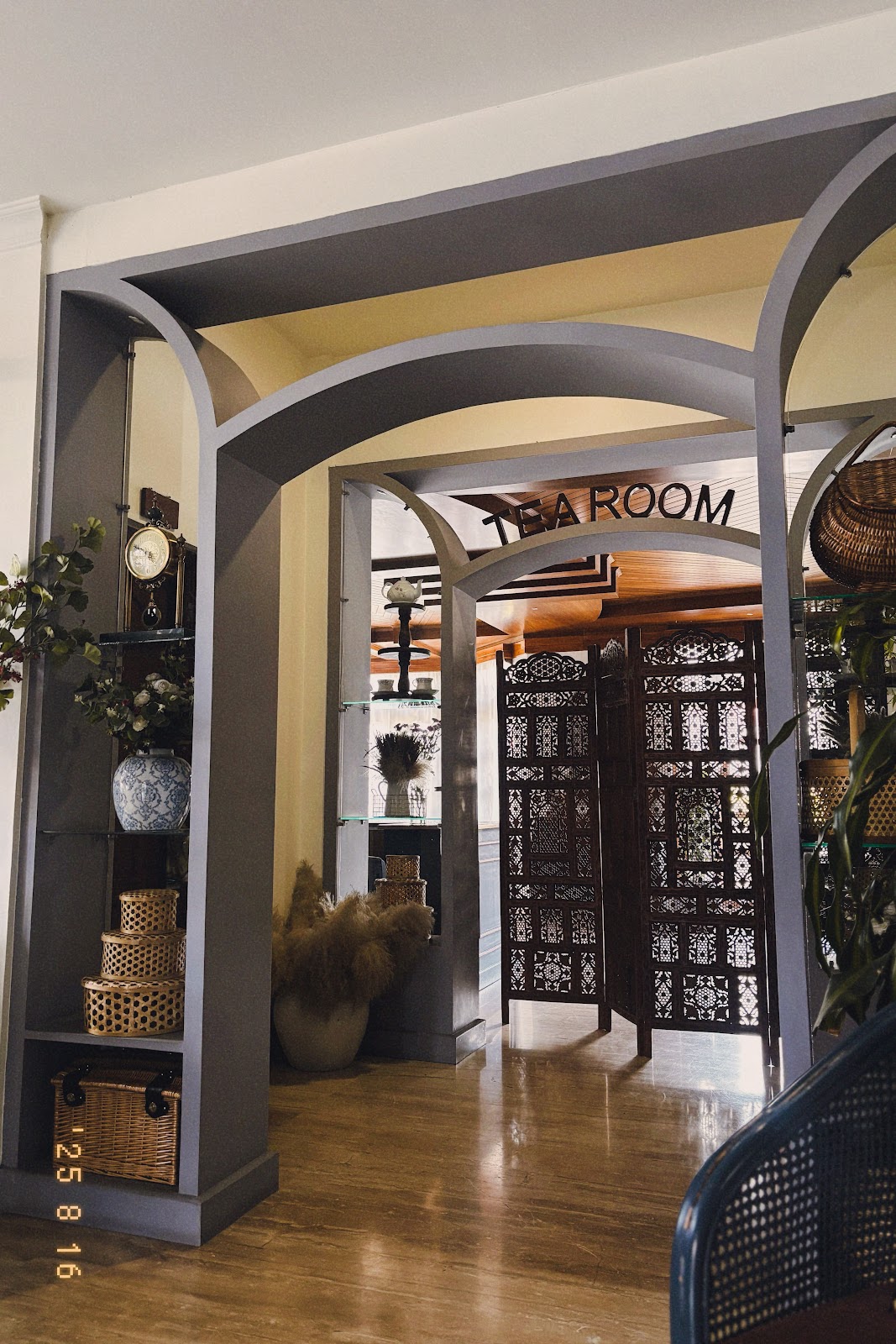
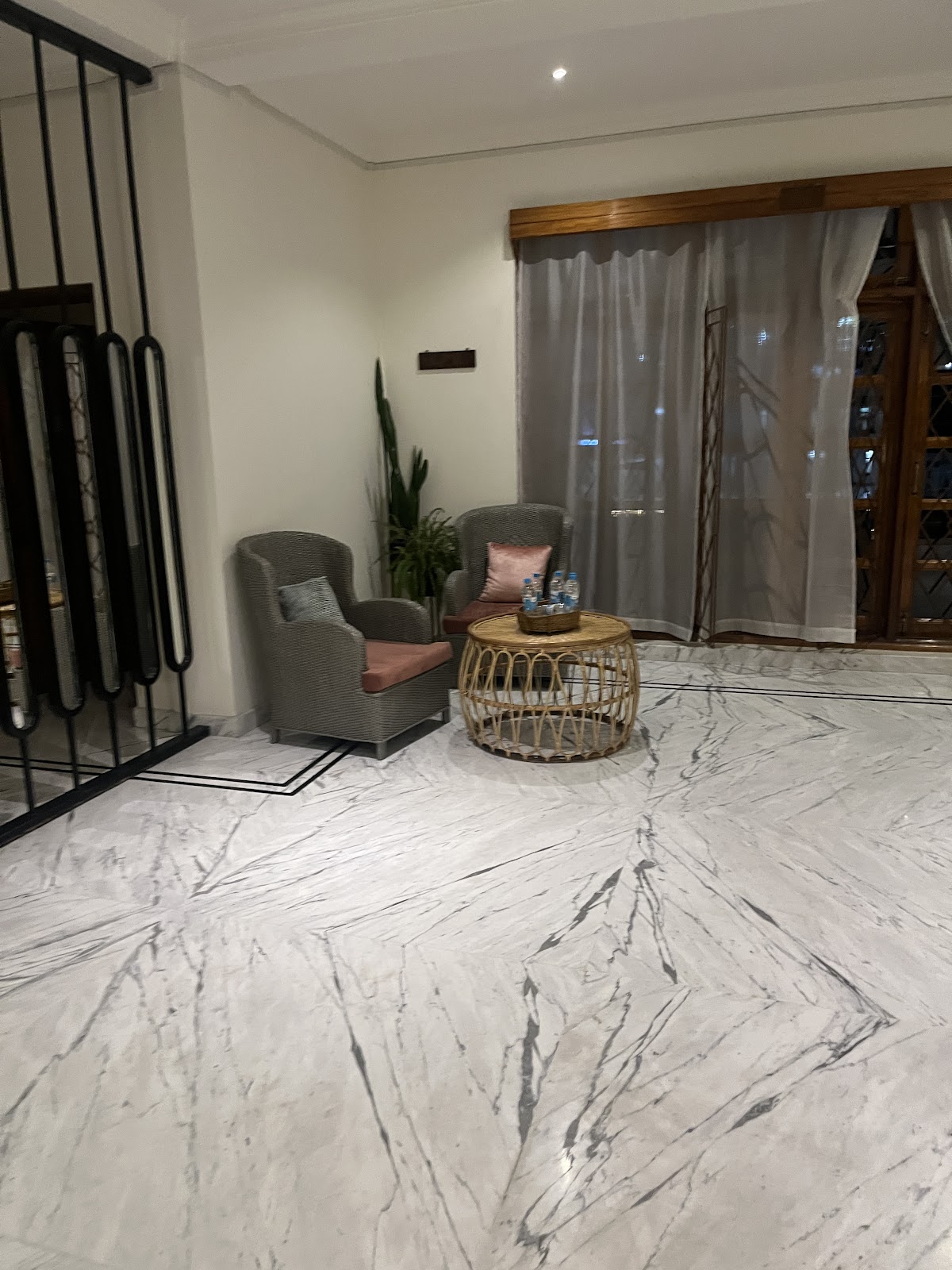
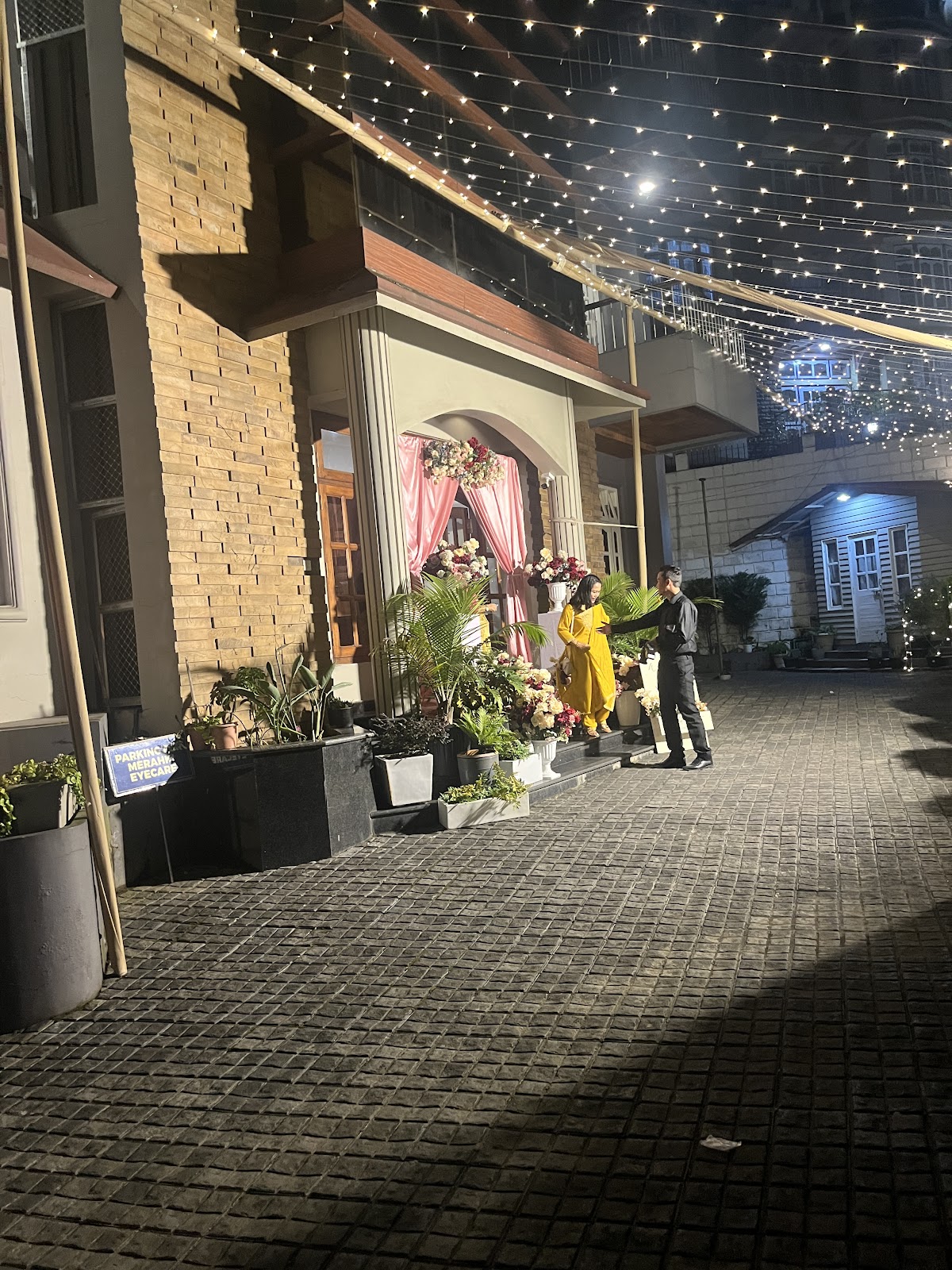
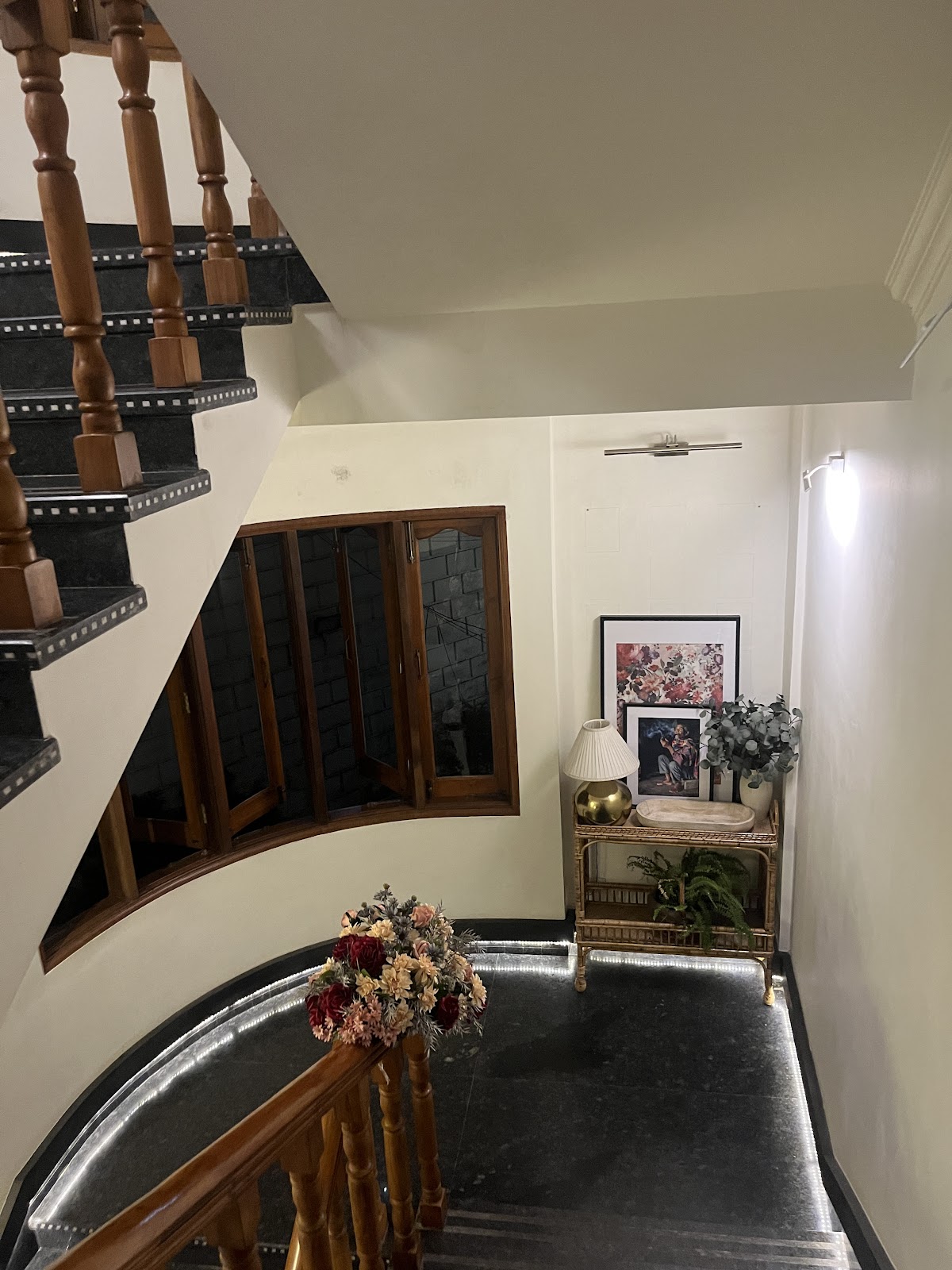
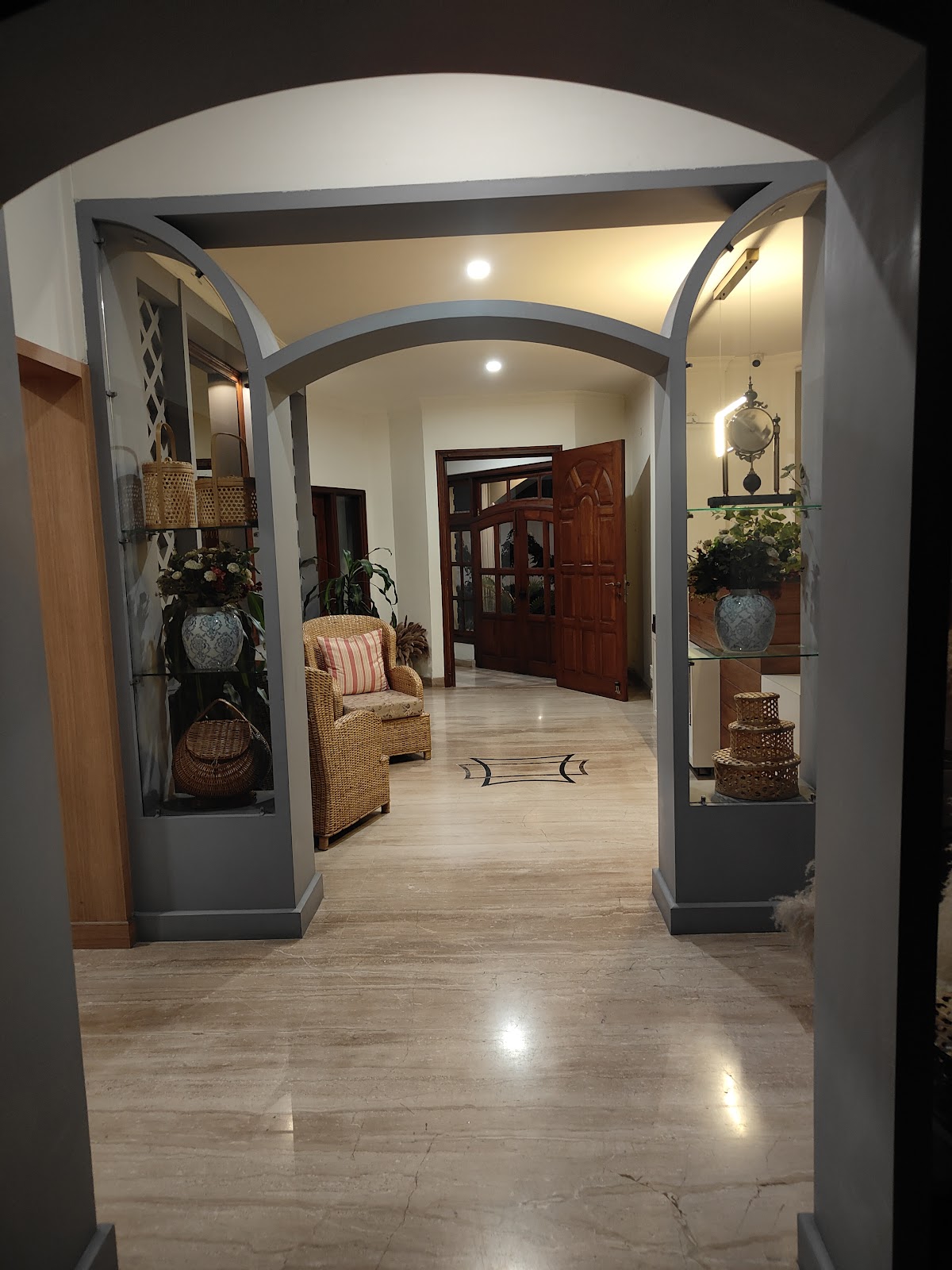
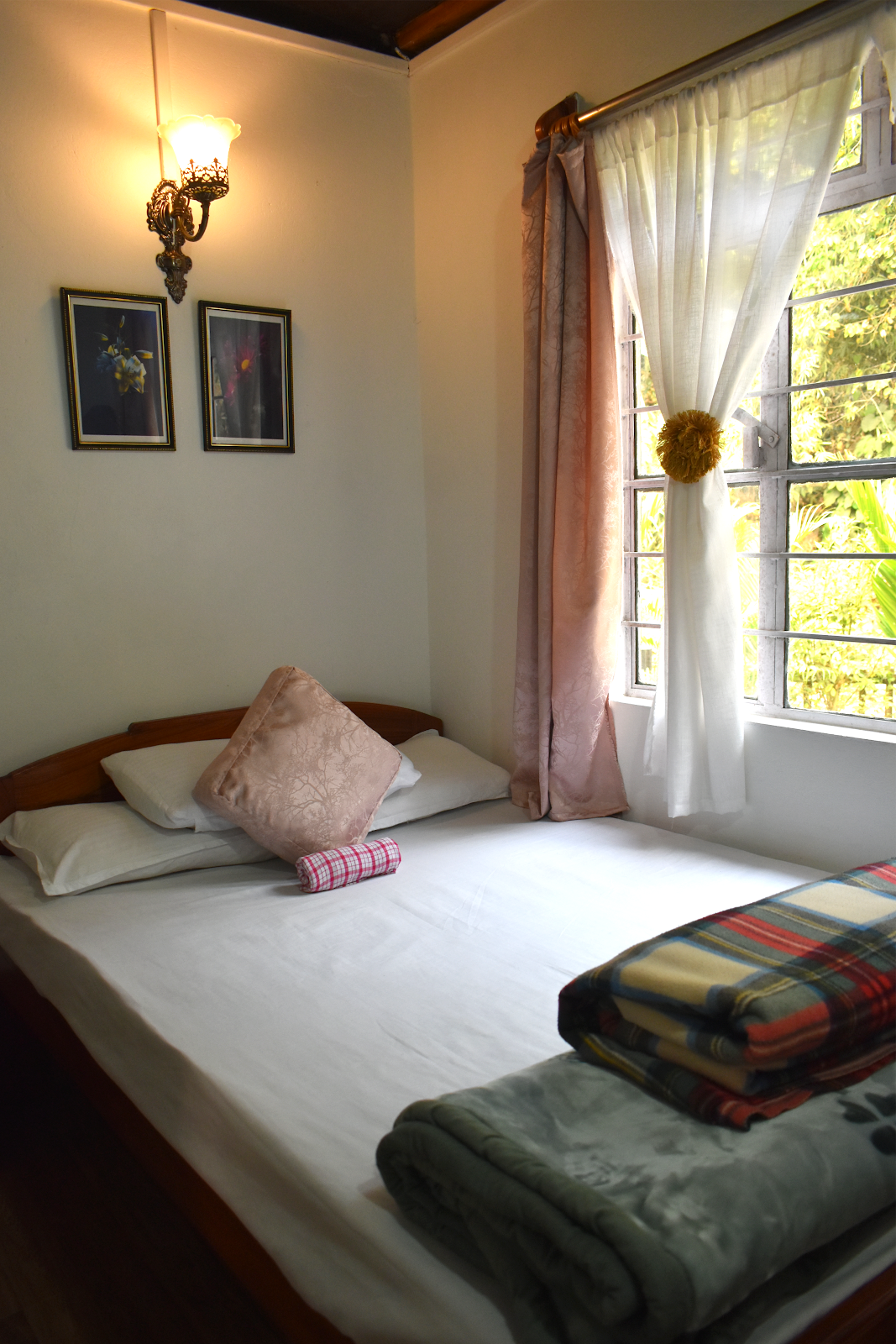
- 15:00Arrive at Cafe Shillong B&B. Check in and freshen up. Colonial-era property with spacious antique-feel rooms, centrally located 1 km from Police Bazaar. 7 rooms, WiFi, hot water, heaters, mini fridge.
- 17:00Walk through Police Bazaar - Shillong's bustling main market. Street food: momos (₹30–50), Jadoh stalls (₹60–100). For sit-down: Trattoria for authentic Khasi Jadoh and Doh Khlieh, or Cherry Bean Café for burgers and lattes.
- 19:30Dinner on your own. Recommendations: Trattoria (Khasi, cheap), Dylan's Café (₹400–800 for two), or Police Bazaar street food. Pro tip: fill up fuel and hit an ATM - they get scarce from here.
Shillong
- 07:00Breakfast at Cafe Shillong B&B (included - buffet with omelette, bread, puri sabji, tea/coffee)
- 08:30Drive to Laitlum Canyons (30 min). 'Laitlum' = 'End of Hills' in Khasi. 270-degree panoramic views of terraced valleys - on clear days you can see Bangladesh. Open 6 AM–5 PM, no entry fee. Best light: morning before fog (usually by 10 AM). Carry water - no facilities.
- 12:00Don Bosco Centre for Indigenous Cultures - 7-storey hexagonal museum, 18 galleries. ₹100 entry (adults), ₹50 students. Closed Sundays. Allow 2–3 hours. Skywalk on 7th floor has panoramic Shillong views.
- 14:30Lunch on your own. Try ML05 Café (rooftop city views) or Café Shillong (Laitumkhrah, cozy).
- 15:30Ward's Lake - serene artificial lake in the heart of Shillong. ₹10 entry. Quiet 30-min stroll.
- 17:00Café hopping - Dylan's Café: Bob Dylan-themed, live music, must-try Honey Ginger Sesame Noodles and Mississippi Mud Pie (11:30 AM–10 PM). The Living Roof Café: live music, open late. ML05 Café: bike-themed rooftop. Budget: ₹400–800 for two.
- 20:00Dinner on your own. Return to Cafe Shillong B&B. Download offline Google Maps tonight - coverage gets patchy from tomorrow.
Cherrapunji
- 07:00Breakfast at Cafe Shillong B&B. Check out.
- 08:30Drive to Cherrapunji / Sohra via NH-51 (54 km, 1.5–2 hours). Mountain highway passes multiple waterfalls. Fill fuel in Shillong before departing.
- 11:00Nohkalikai Falls - India's tallest plunge waterfall at 1,115 feet. Water plunges into a colour-shifting lagoon. Main viewpoint is paved and easy. No entry fee. Allow 45–60 min.
- 13:00Lunch in Sohra (on your own). Sky Grill: Jadoh and Dohneiiong with views. Halari: smoked pork. Rain Cafe: Indian-Western mix. Budget: ₹200–400.
- 14:30Mawsmai Cave - 150m limestone cave with stalactites. Entry ₹30 adults, ₹20 camera. Open 9:30 AM–5:30 PM, closed Sundays. Duration: 30–60 min.
- 15:30Wei Sawdong Falls - stunning three-tiered waterfall hidden in the Sohra countryside. Steep descent ~1,200 steps (30–40 min down, 45 min up). Three cascades framed by lush greenery, far fewer tourists than Nohkalikai. No entry fee. Allow 2 hours. Sturdy shoes recommended.
- 17:30Seven Sisters Falls viewpoint (Nohsngithiang Falls) - seven streams cascading side by side. Best seen during/after rain. 10-min drive. Free entry.
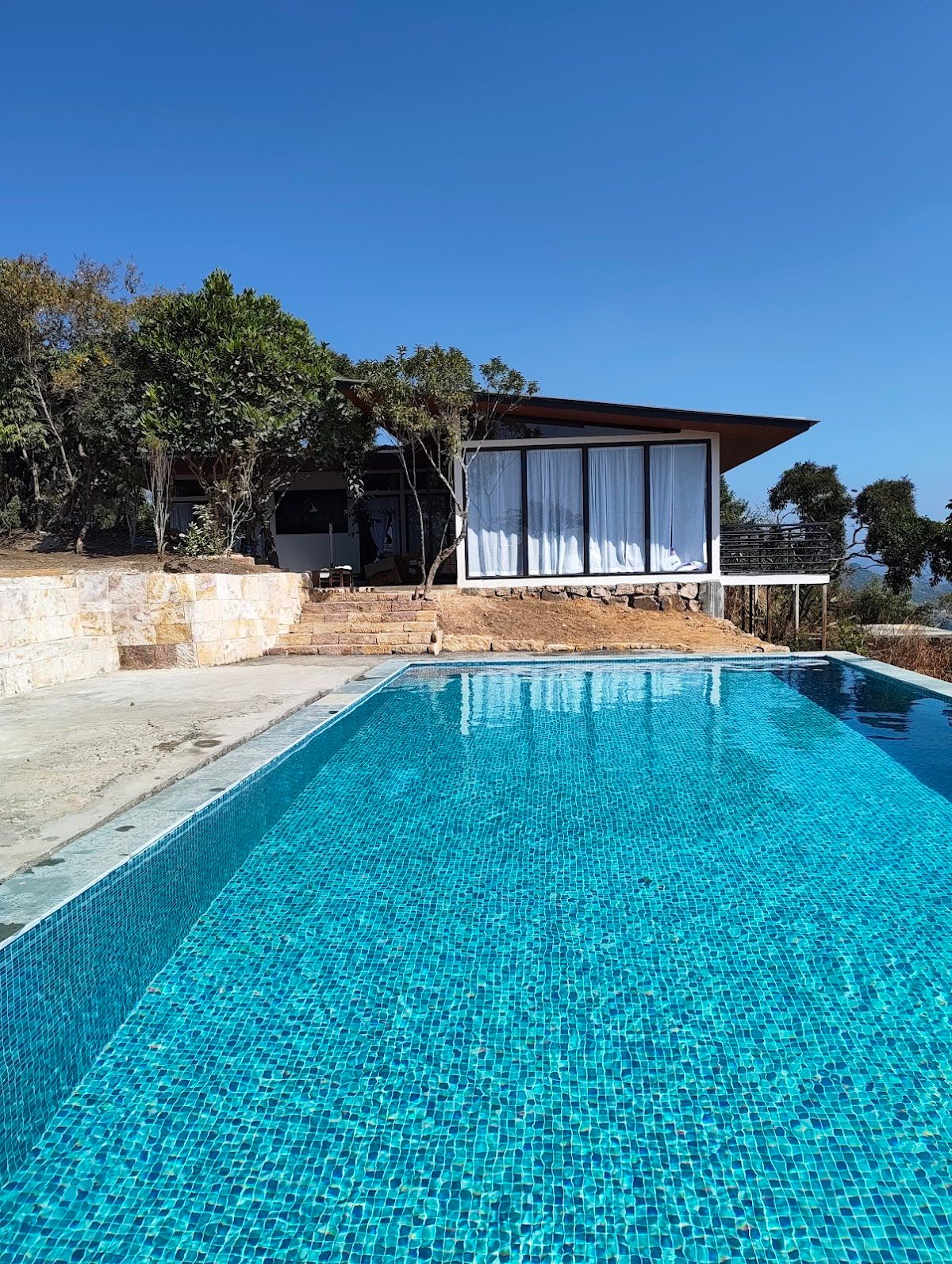
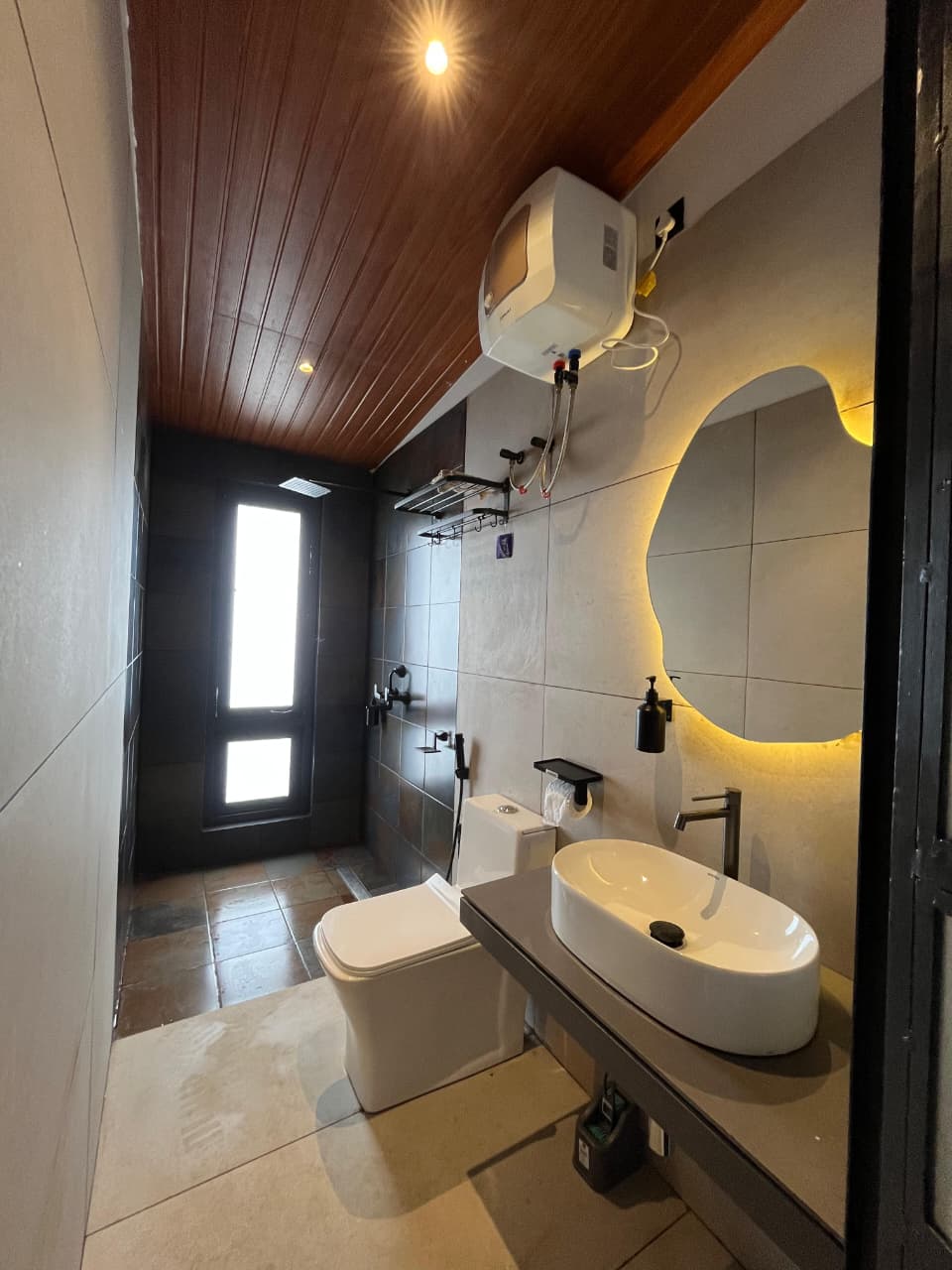
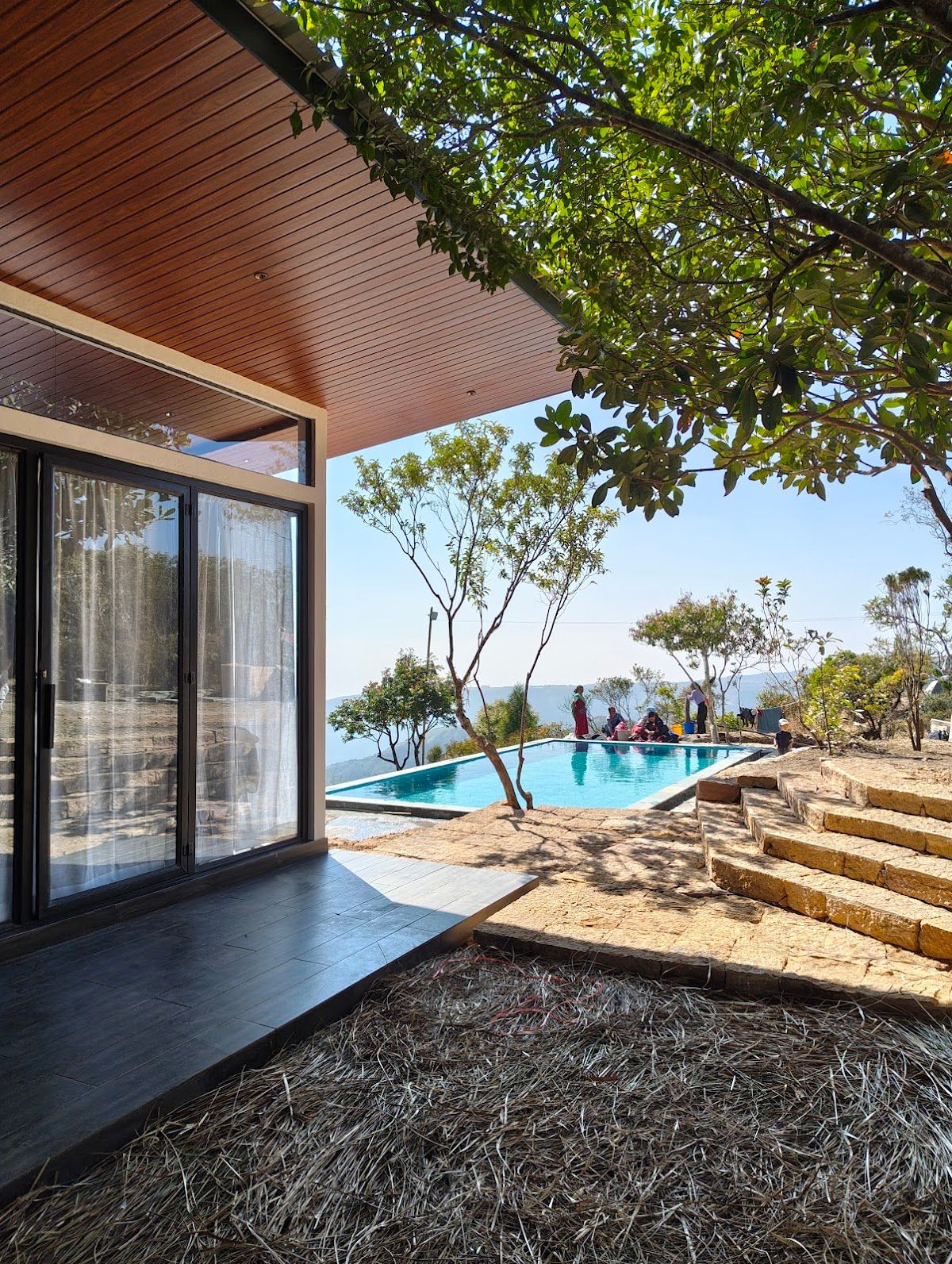
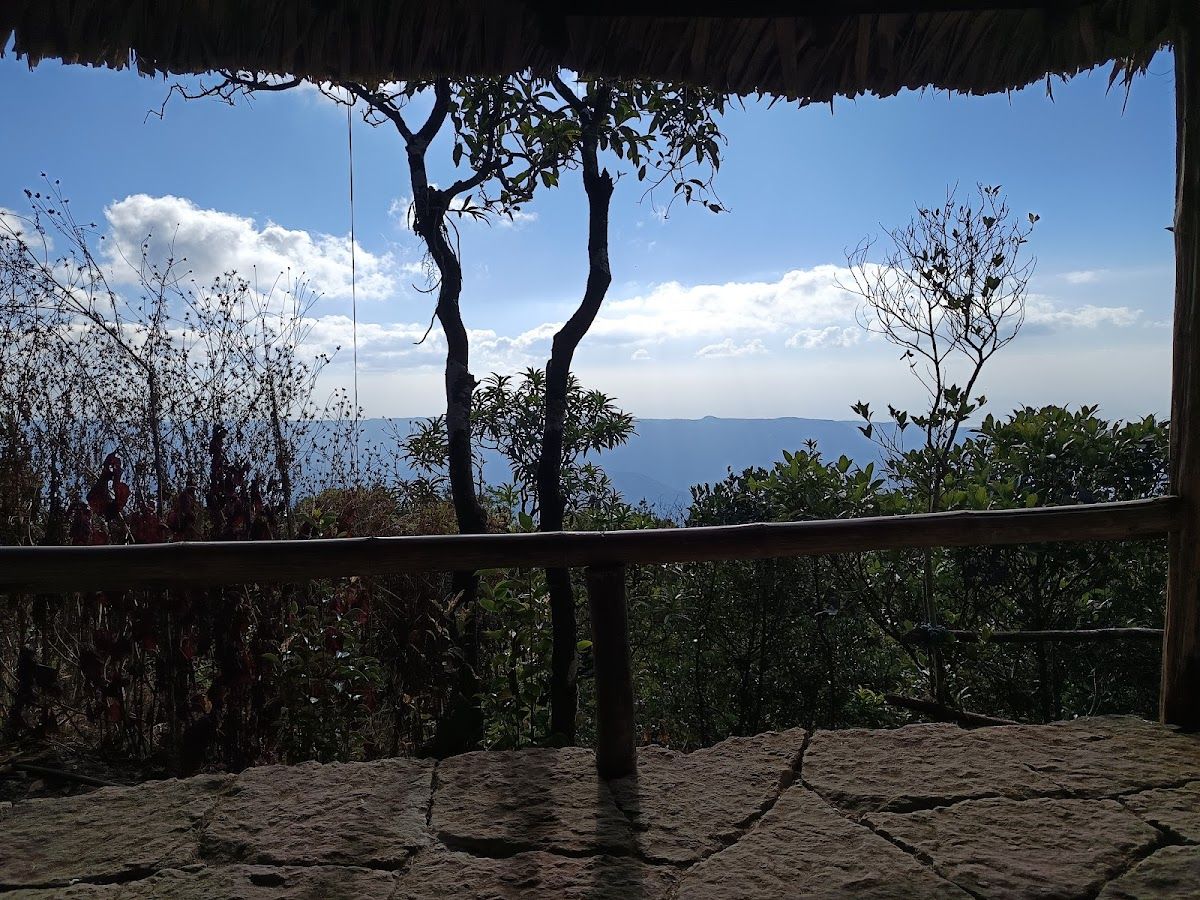
- 18:00Check in at Laitumiong The Retreat - modern home with a private pool with traditional Khasi huts, cozy interiors. Our most-booked Meghalaya property (7+ bookings). Guests love the 'beautiful traditional huts' and 'delicious homely food.'
- 19:00Dinner at the property - the food here is a highlight that guests consistently rave about.
Dawki
- 06:30Early breakfast at Laitumiong. Check out. Drive to Tyrna village parking (18–20 km, 30 min).
- 07:30Trek to the Double Decker Living Root Bridge in Nongriat. 3,500 steps down and back up. Round trip: 5–7 hours. Two iron suspension bridges along the way. The bridge is a bioengineering marvel - living Ficus elastica roots trained over 180+ years. Natural swimming pool below (bring towel). Guide included. Bamboo cane ₹20. Carry 2–3L water.
- 12:30Drive to Mawlynnong - Asia's cleanest village (81 km, ~2 hrs 15 min). Must-see: Sky View Point (85-ft bamboo watchtower), Balancing Rock, Riwai Living Root Bridge (10–15 min walk). Allow 1.5–2 hours.
- 14:30Lunch at village eatery (₹100–200). Cash only - no ATMs, no UPI.
- 15:30Drive to Dawki / Shnongpdeng (~80 km, 2 hours). The Umngot River - the viral 'transparent river' of social media.
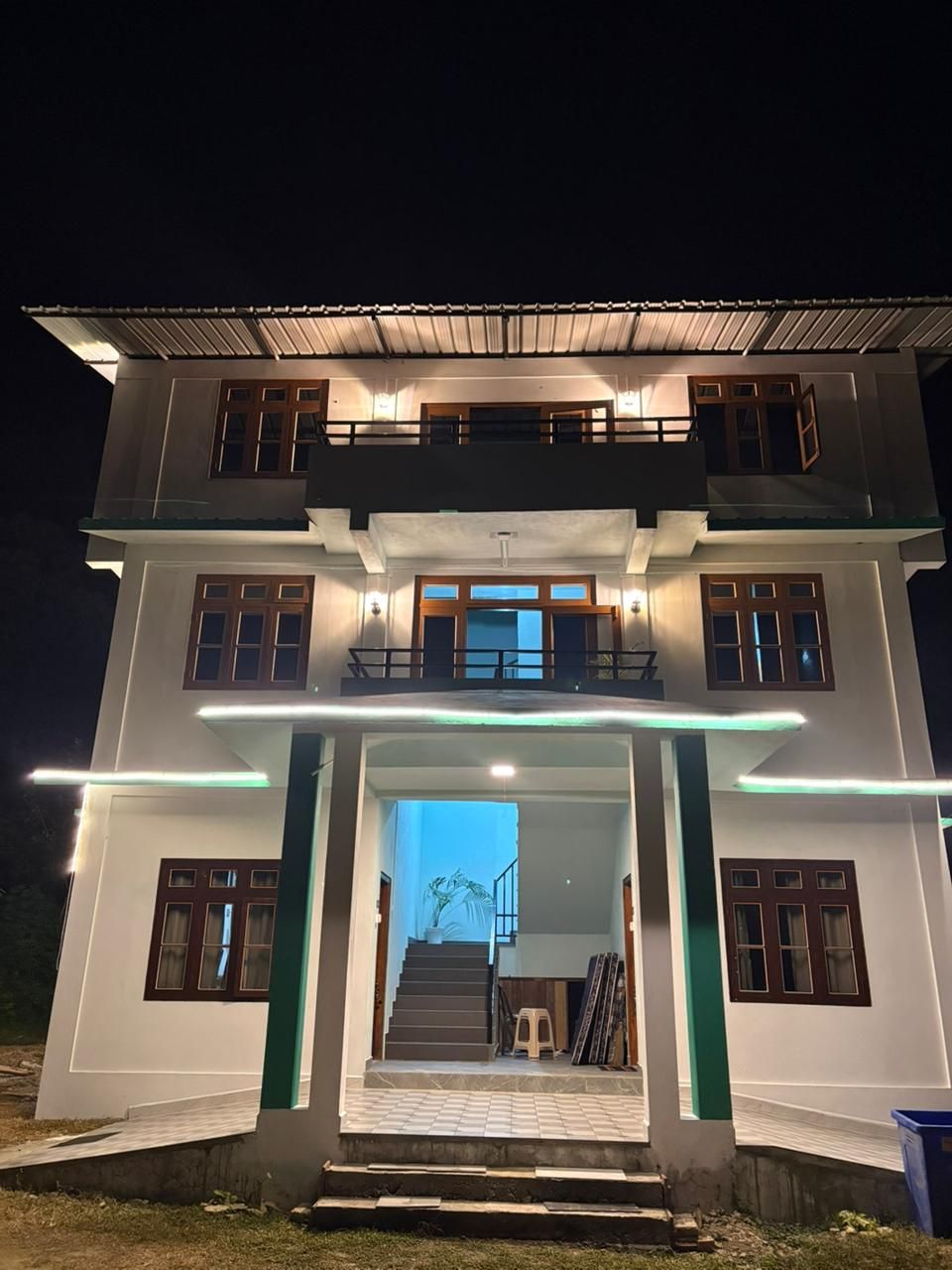
- 17:00Check in at your Dawki homestay. Peaceful riverside location, perfect for morning boating.
- 18:00Shnongpdeng riverside sunset. Optional: cliff jumping (₹400, three levels), kayaking (₹300–500), scuba (₹3,200).
- 20:00Dinner at the property. Early night - tomorrow's boating is best at sunrise.
Guwahati
- 06:30Breakfast. Check out.
- 07:00Early morning boating on the Umngot River - crystal-clear water, boats floating in mid-air. ₹800/boat (seats 4), 45–50 min (included). Best light before 9 AM. Water clearest Nov–Mar. Life jackets provided.
- 09:00Drive to Guwahati Airport (170 km, 4–4.5 hours via Jowai). Scenic drive through Jaintia Hills.
- 13:30Arrive at Guwahati Airport. Trip ends. Optional: Kamakhya Temple (30 min from airport) if you have a late flight.
The properties.

What you'll get.
- 4 nights accommodation at handpicked homestays
- Daily breakfast at each property
- Airport pickup and drop-off (Guwahati Airport - GAU)
- All inter-city transfers in private vehicle with experienced local driver
- Umngot River boating at Dawki (₹800/boat, seats 4)
- Local guide for Double Decker Living Root Bridge trek
- Bamboo walking canes for the trek
- All parking, toll, and permit charges
- 24/7 WhatsApp support during the trip
- Flights to/from Guwahati
- Lunch and dinner (₹200–500 per meal at local restaurants)
- Entry fees at tourist spots (₹10–100 each - Don Bosco ₹100, Mawsmai Cave ₹30, Umiam Lake ₹50)
- Optional activities at Shnongpdeng (cliff jumping ₹400, kayaking ₹300–500, scuba ₹3,200)
- Personal expenses, tips, and shopping
- Travel insurance
- Anything not mentioned in inclusions
A few things worth knowing.
WEATHER: Hot and humid, 18–28°C. Monsoon begins mid-June. Heavy rain days increase.
WHAT MAKES JUNE SPECIAL: Last window before full monsoon. Dramatically moody landscapes - clouds rolling through valleys. Waterfalls are powerful. Lush, impossibly green hills. Fewer tourists than May.
DAWKI RIVER CLARITY: Poor by late June. River turns green-brown with rain runoff. Boating still available but no 'floating' photos.
WATERFALL STATUS: Spectacular. All waterfalls at near-peak. Nohkalikai is thunderous. Seven Sisters in full flow.
CROWDS & PRICING: Moderate to low. Post-summer-holiday dip. Good deals on accommodation.
FESTIVALS & EVENTS: Behdienkhlam festival (Jowai) - Jaintia tribe's most important festival. Enormous wooden structures are paraded through town and 'drowned' in a muddy pond. Wild, energetic, unlike anything else in India.
OUR RECOMMENDATION: Only visit in June if you embrace the rain. Carry rain gear for everything. The payoff: waterfalls at their most dramatic and virtually empty viewpoints.
PRO TIP: Behdienkhlam in Jowai (exact date varies) is the most visually spectacular festival in Meghalaya. If the dates align with your trip, add our 7-day extended tour to include Jowai.
October to May. Peak season: March–June (15–25°C, pleasant for sightseeing). Best river clarity at Dawki: November–March. Avoid July–September - heavy monsoon makes roads risky and Dawki water turns muddy (but waterfalls are at their most dramatic).
Fly to Guwahati (GAU) - Lokpriya Gopinath Bordoloi International Airport. Direct flights from:
- Delhi: 2.5 hours (IndiGo, Air India, SpiceJet - ₹3,000–6,000)
- Kolkata: 1 hour (most convenient gateway - ₹2,500–4,500)
- Bangalore: 3.5 hours (IndiGo direct)
- Mumbai: 3.5 hours (IndiGo, Air India)
No commercial airport in Shillong - Guwahati is the only gateway.
- Layered clothing - Shillong is 1,500m altitude, cool year-round (10–25°C)
- Rain jacket or poncho - it can rain any month in Meghalaya
- Sturdy trekking shoes with grip (essential for Living Root Bridge)
- 2–3 litre water bottle + ORS/glucose sachets for the trek
- Power bank - limited charging at rural homestays
- Cash: ₹5,000–8,000 in small notes. UPI works only in Shillong.
Must-try Khasi dishes: Jadoh (rice with pork/chicken), Dohneiiong (pork with black sesame), Tungrymbai (fermented soybean), Dohkhlieh (cold pork salad), Nakham Bitchi (dried fish soup), Ki Kpu (Khasi rice beer).
WHERE TO EAT: SHILLONG - Dylan's Café, Trattoria, ML05 Café. CHERRAPUNJI - Sky Grill, Halari, Rain Cafe. DAWKI/MAWLYNNONG - Village eateries only, ₹100–200.
No special vaccinations needed. Carry basic medication. Living Root Bridge: pace yourself, drink water constantly. Leeches possible on trail during/after rain - tuck pants into socks.
Jio and Airtel work in Shillong. Patchy in Cherrapunji, minimal in Dawki/Mawlynnong. Download offline Google Maps before leaving Shillong.
Meghalaya is matrilineal - children take mother's surname. Ask before photographing people. Don't litter (especially in Mawlynnong). English widely spoken.
Stay options in Meghalaya.
Prefer to plan your own trip? Browse verified stays in the cities this tour covers.