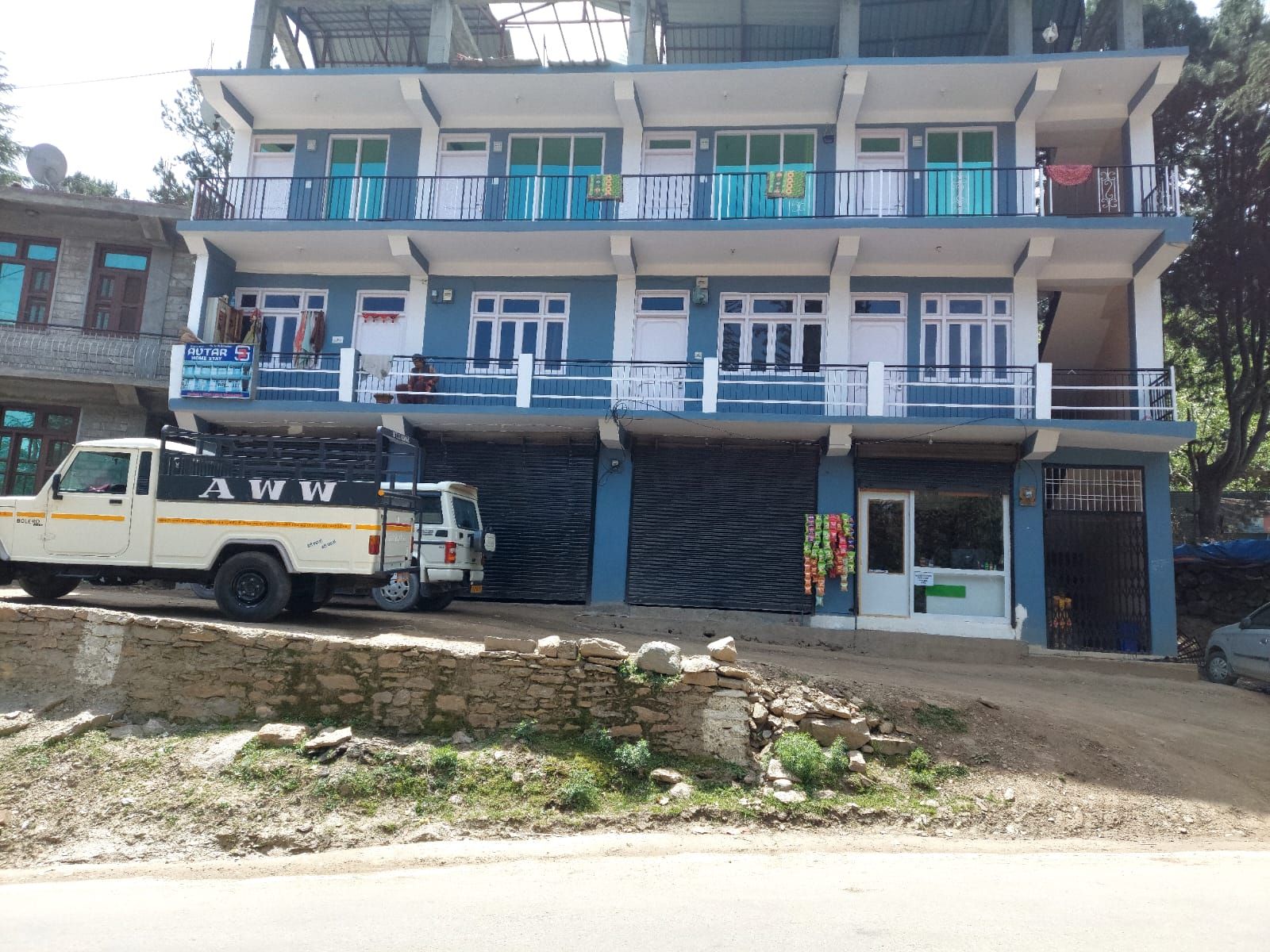
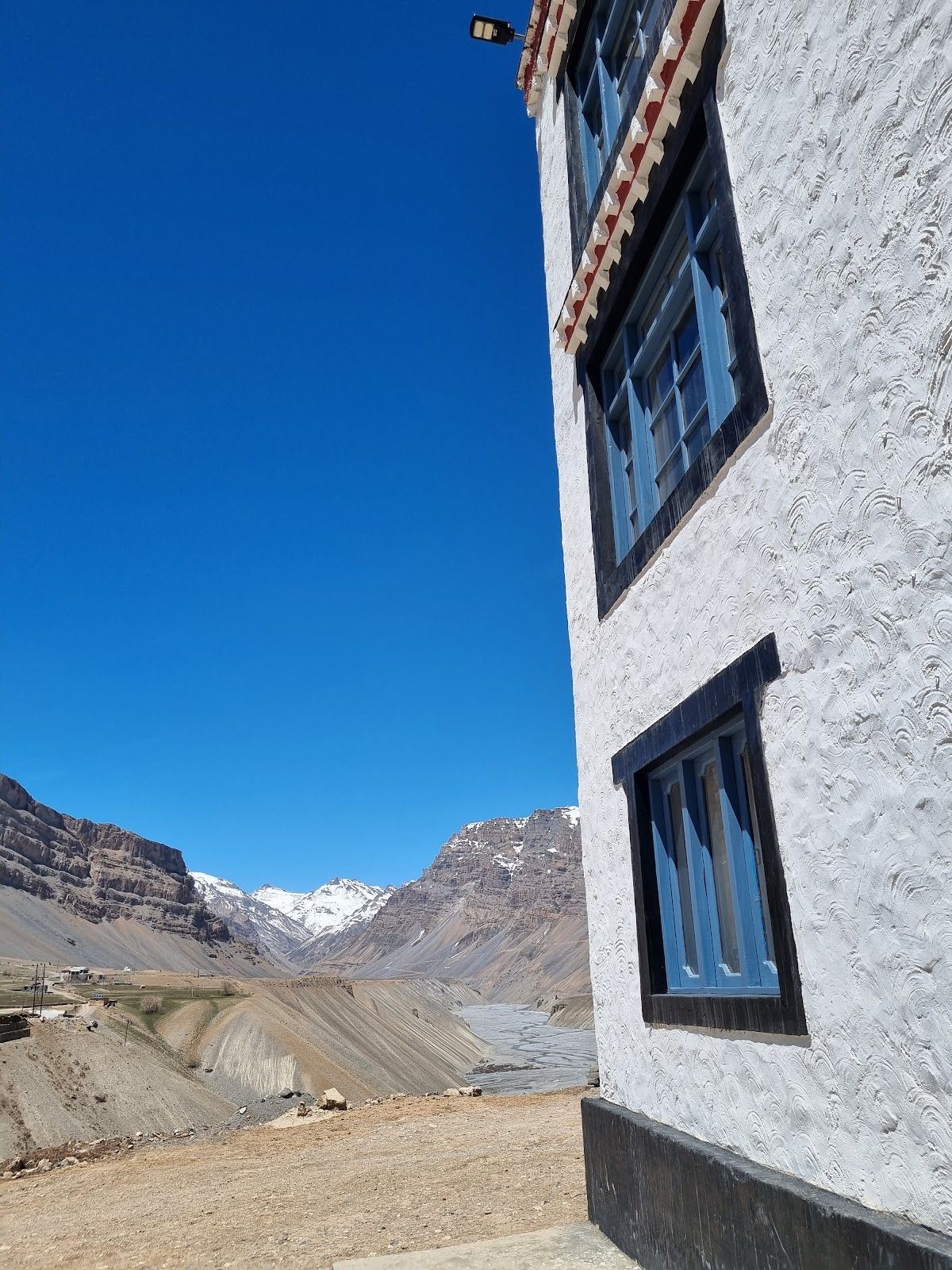
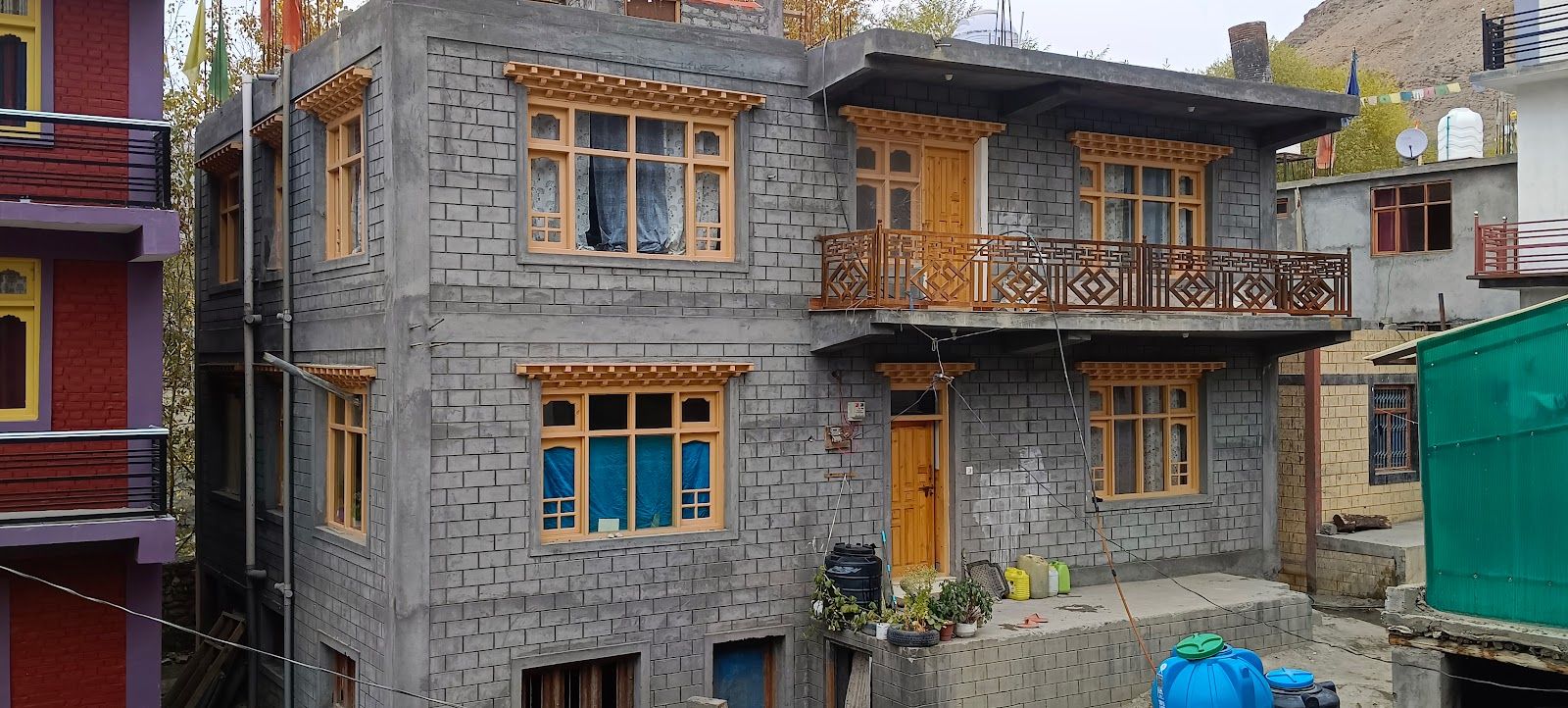
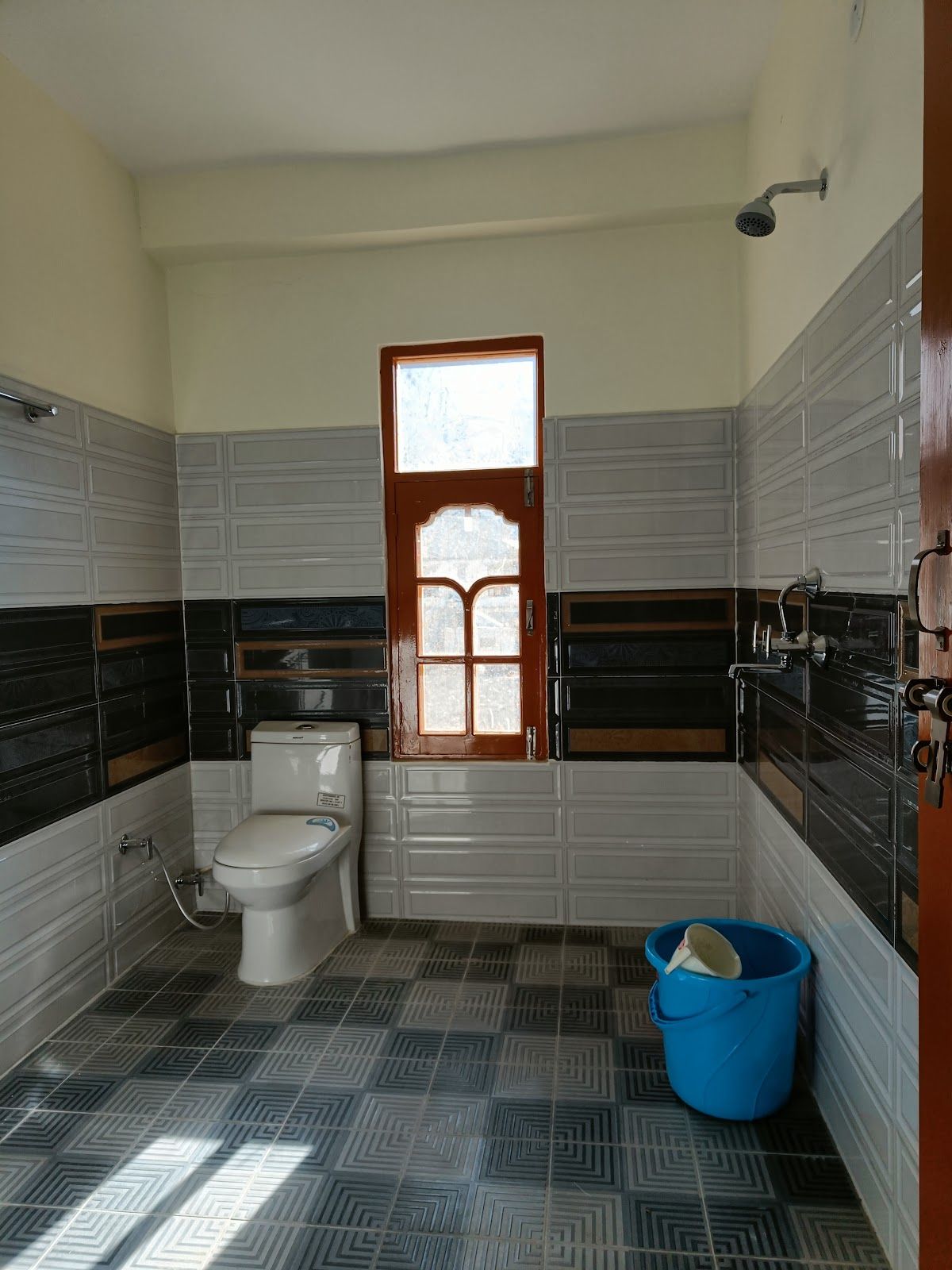
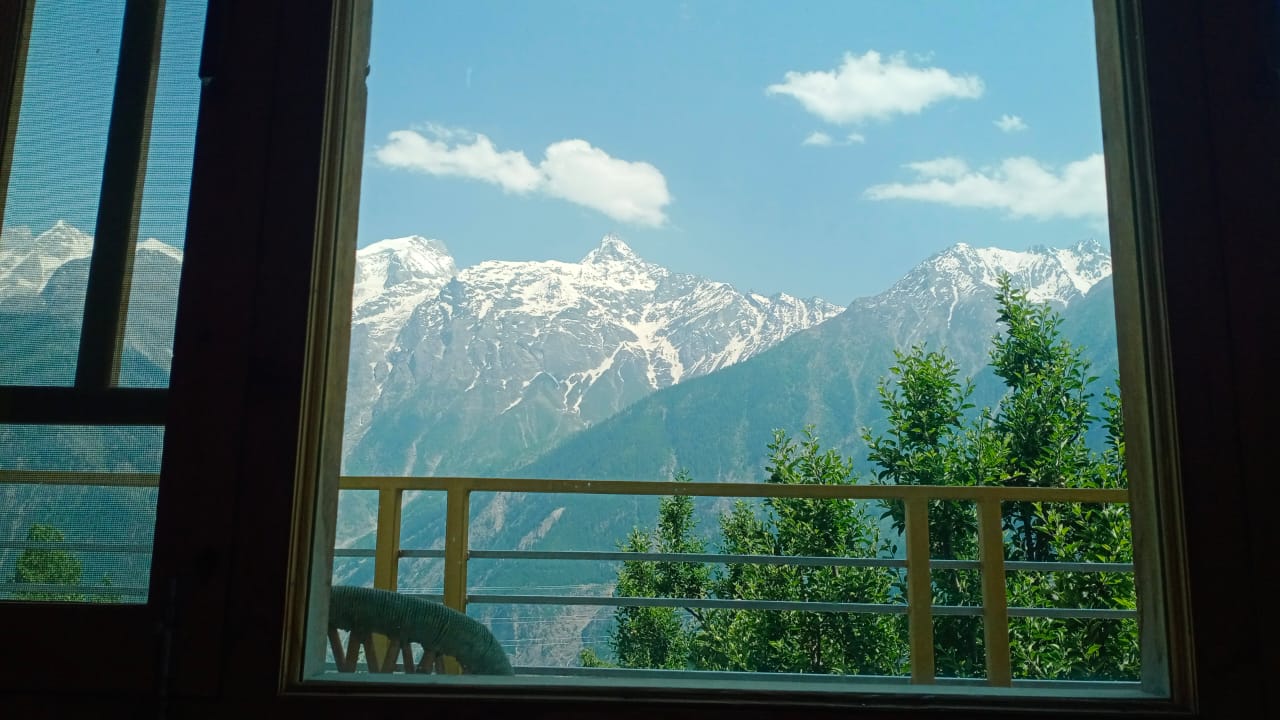
Our stay at this homestay was truly special. Nestled right inside an apple orchard, the property gives a peaceful, village‑style charm that makes you slow down and enjoy the surroundings.
Ramanathan sundaram
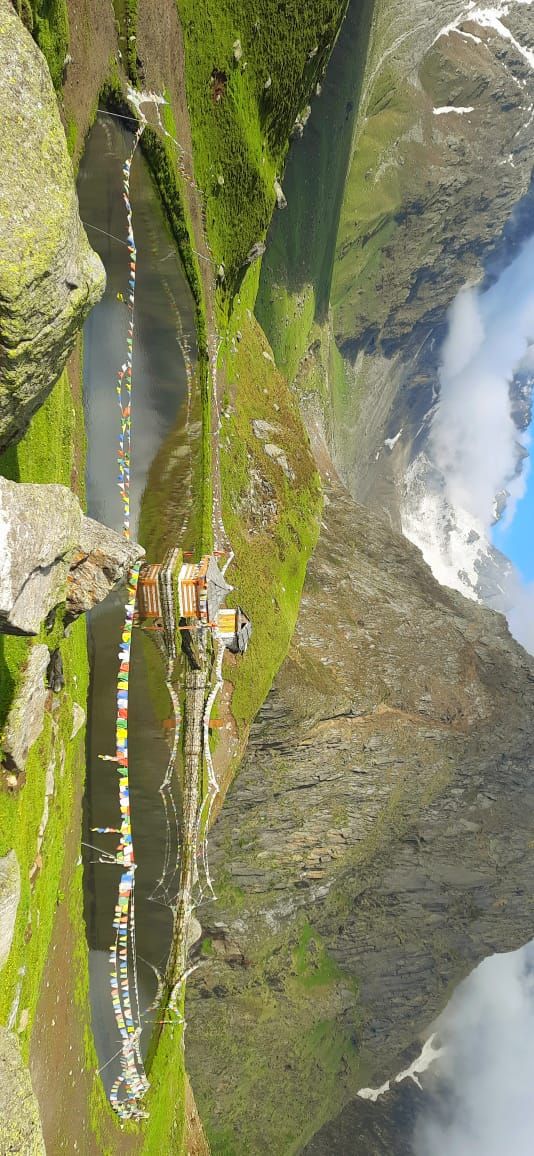
Key Monastery is the largest in Spiti, perched high on a cliff. It is a thousand years old and requires a slow, steady walk up the steps due to the thin air at this altitude.
Kibber village sits at 4,270 meters, making it one of the highest motorable villages in the region. The drive up the mountain offers wide, barren views of the Spiti landscape, and the air here is noticeably thinner.
Chicham bridge is Asia's highest suspension bridge, spanning a deep gorge. It connects Kibber to Chicham village and is a windy, exposed spot to stop and look down into the canyon.
Pin Valley National Park is known as snow leopard country. The landscape shifts as you enter the valley, offering good terrain for walking if you are fully acclimatized to the altitude.
Langza and the fossil village sit a thousand feet above the town of Kaza. You can walk around the loose earth near the village to look for ancient marine fossils left behind by the Tethys Sea.
The nearest airport on the Manali side is Bhuntar, located 220 kilometers away. This route requires driving over the Kunzum Pass. The Shimla airport is 410 kilometers away and follows the Sutlej river valley.
The nearest railhead is the toy train station in Shimla, 410 kilometers from the home.
Driving from Shimla to Kaza covers 420 kilometers. This journey takes two days by road, requiring an overnight stop along the way. The road from Manali to Kaza is shorter at 200 kilometers, taking 10 to 12 hours of driving. This route is only open from late May or June to October. Kaza serves as the district headquarters and is the main hub for fuel and supplies before reaching Tabo.
June and September are the best months to visit Spiti Valley. During this window, the roads are clear, the days are bright, and the apple orchards are green. The Manali route closes completely at the end of October and remains shut until late May due to heavy snow on the passes. The Shimla route remains open year-round, but winter travel is harsh. Temperatures drop to around minus 5 degrees at night, freezing the streams and leaving the valley quiet and white.