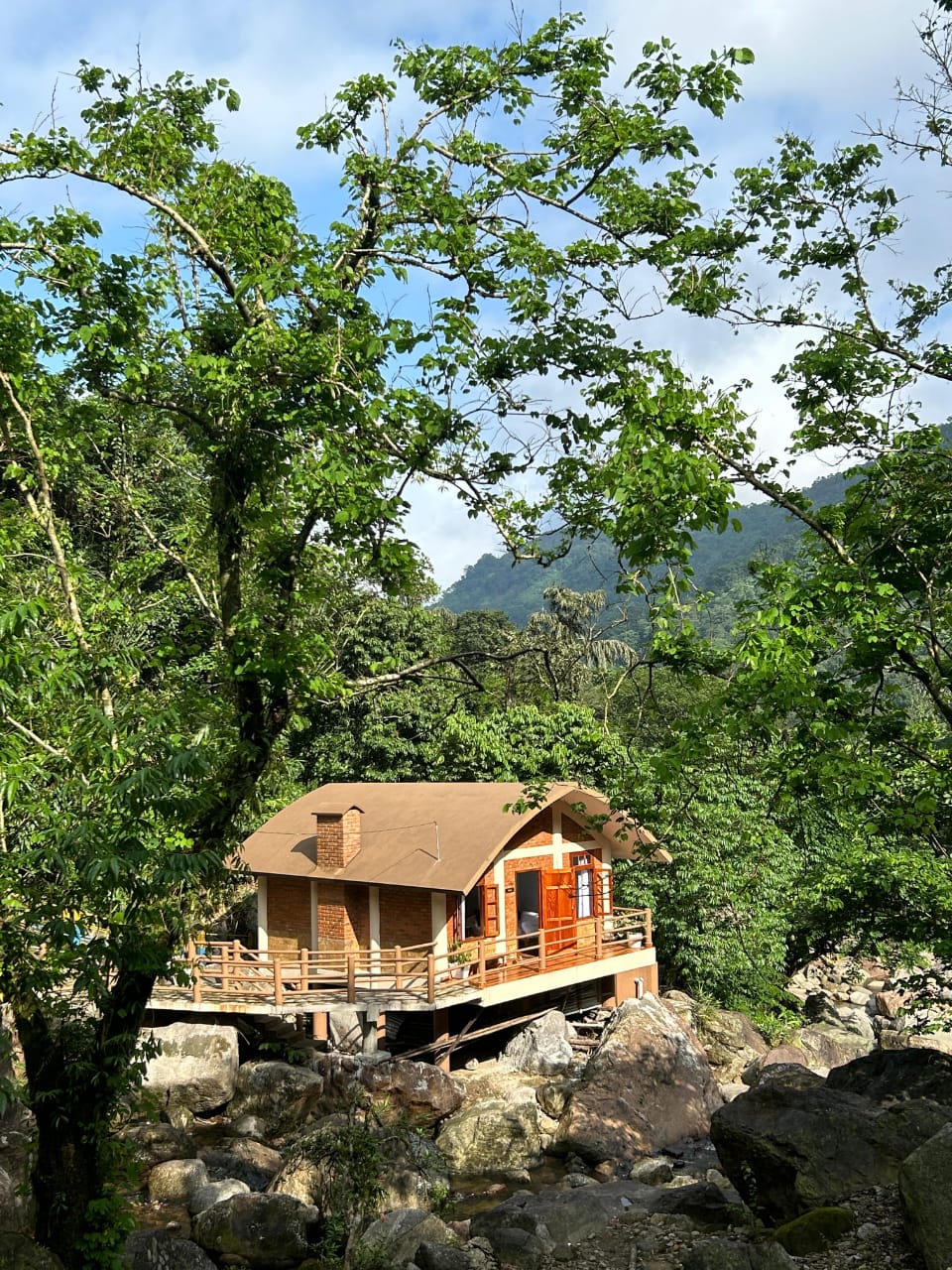
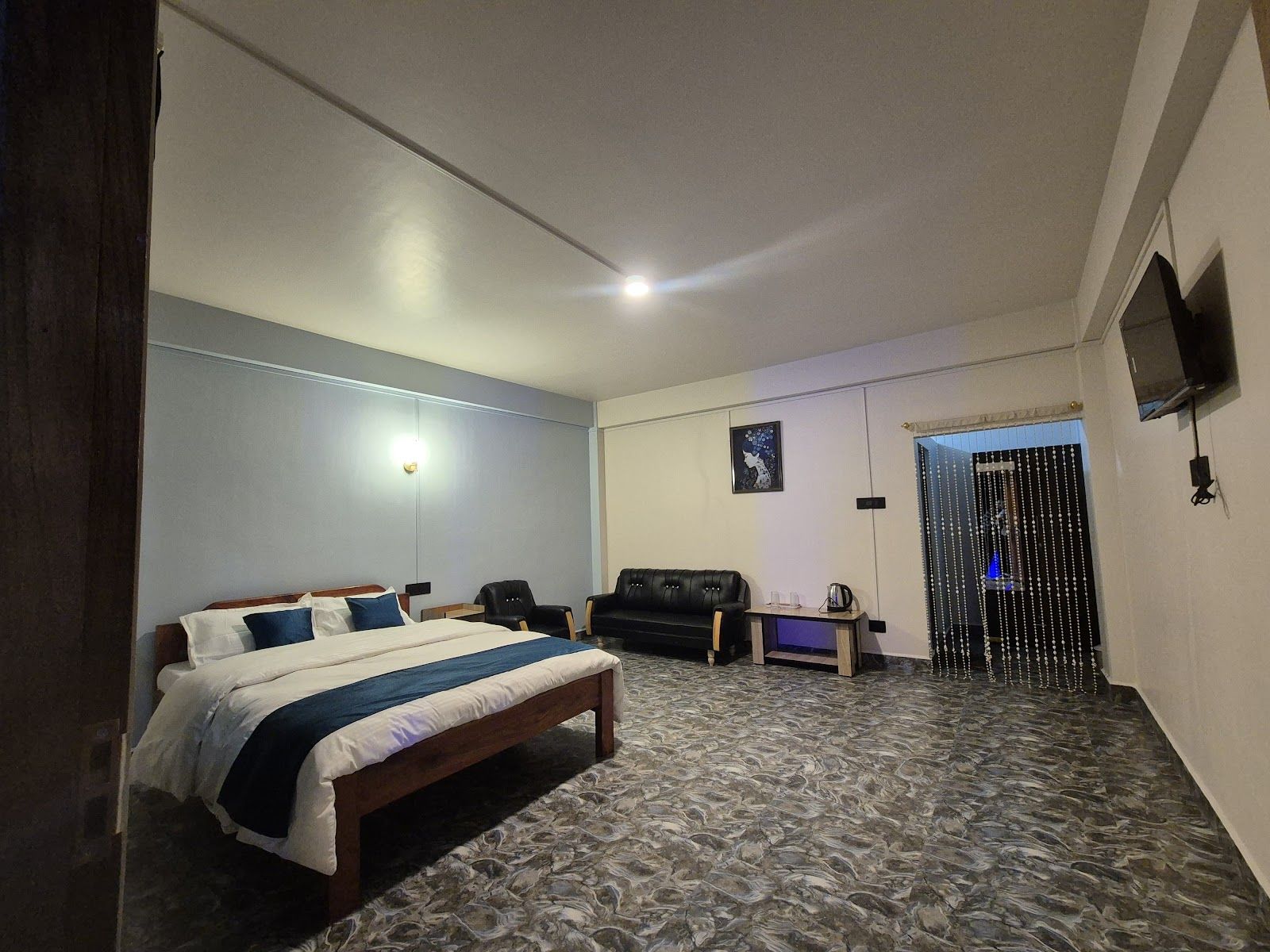
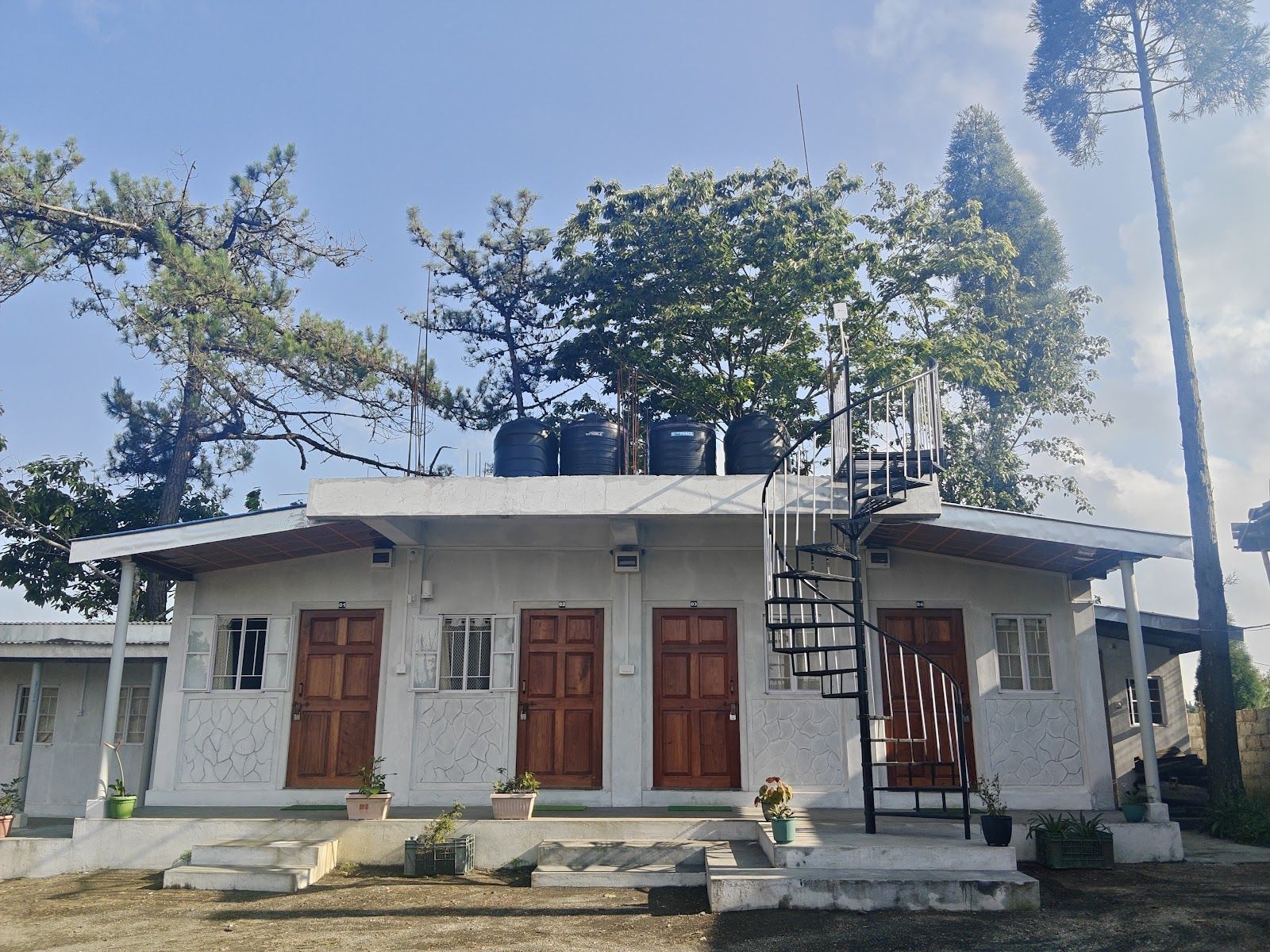
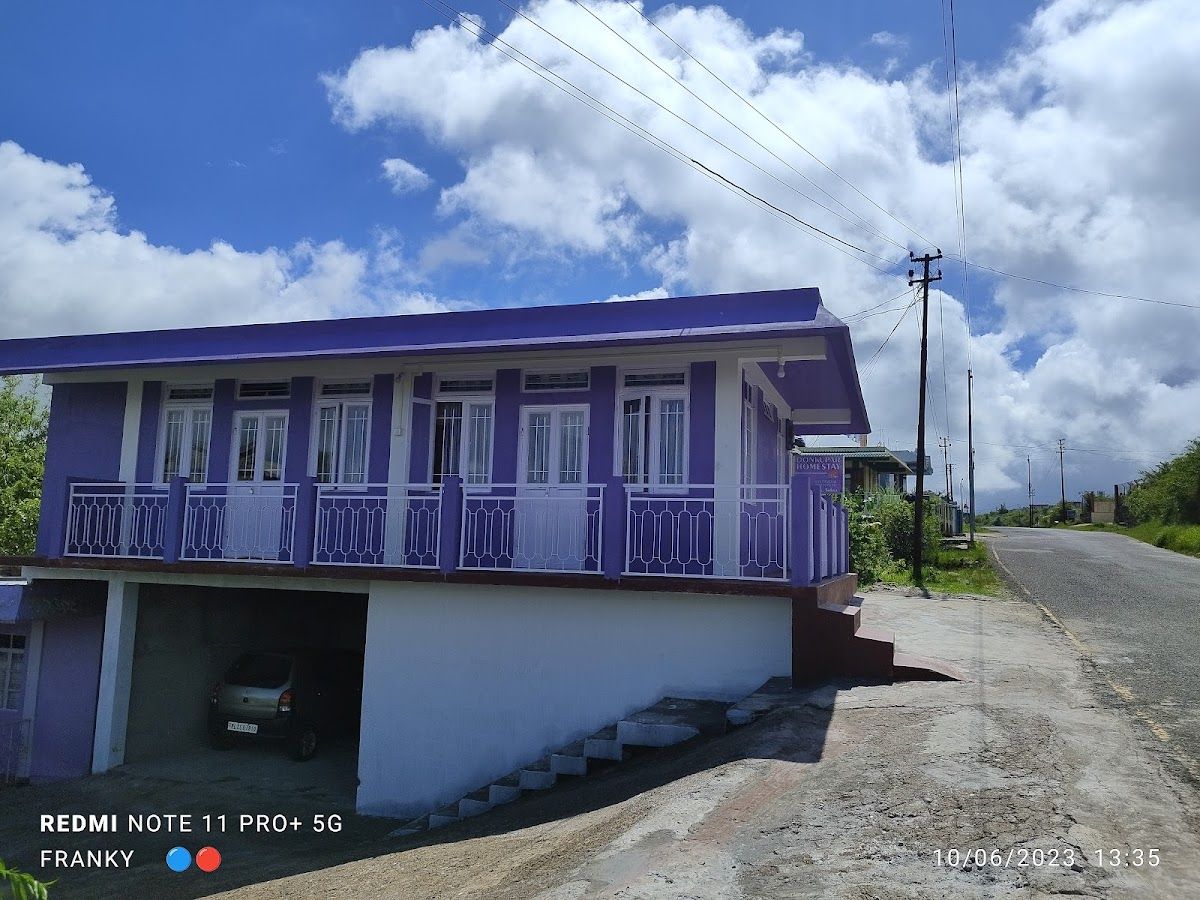
The Khasi Hills are full of trails, falls, and living architecture. The home is a good starting point for some of Meghalaya’s most well-known sights.
The living root bridges are a short drive away. The most famous, the Nongriat double-decker bridge, is a significant trek involving a 3,500-step descent into the valley. It's a demanding but rewarding journey.
Nearby Cherrapunji (Sohra) is home to several cave systems. Mawsmai Cave is lit and accessible for most visitors. For a more adventurous experience, Krem Phyllut requires a guide and a bit more scrambling.
The Umngot river at Dawki, near the Bangladesh border, is about a 3-hour drive. Between January and March, the water runs so clear it looks like boats are floating on air.
Mawlynnong, often called Asia's cleanest village, is a community-run initiative worth visiting. A short walk from the village leads to the Riwai sky walk, a bamboo viewpoint offering views over the plains of Bangladesh.
Nohkalikai Falls, India's tallest plunge waterfall at 340 metres, is a powerful sight, especially during the monsoon. The viewpoint is easily accessible by car.
By Air: The nearest major airport is Guwahati (GAU), 100km from Shillong. It’s a 3-hour drive from the airport to Shillong, where you can hire a taxi for the onward journey to Cherrapunji. A smaller airport at Shillong (SHL) has limited flights, mostly from Kolkata.
By Rail: Meghalaya has no rail network. The nearest major railway station is in Guwahati, 100km from Shillong. From the station, you can find shared or private taxis to Shillong and then to Cherrapunji.
By Road: Shillong is the main hub for exploring the region. Cherrapunji (Sohra) is 53km from Shillong, a winding 2-hour drive. Dawki is 95km from Shillong. Taxis are the most common way to get around.
October to April is the main season. The skies are clear, the weather is pleasant, and all attractions are open. This is the best time for trekking and caving.
The monsoon, from June to September, is a different experience. The region receives over 10,000mm of rain, turning the hills a vibrant, intense green. Waterfalls are at their most powerful, but some caves and trails may be closed due to high water levels.