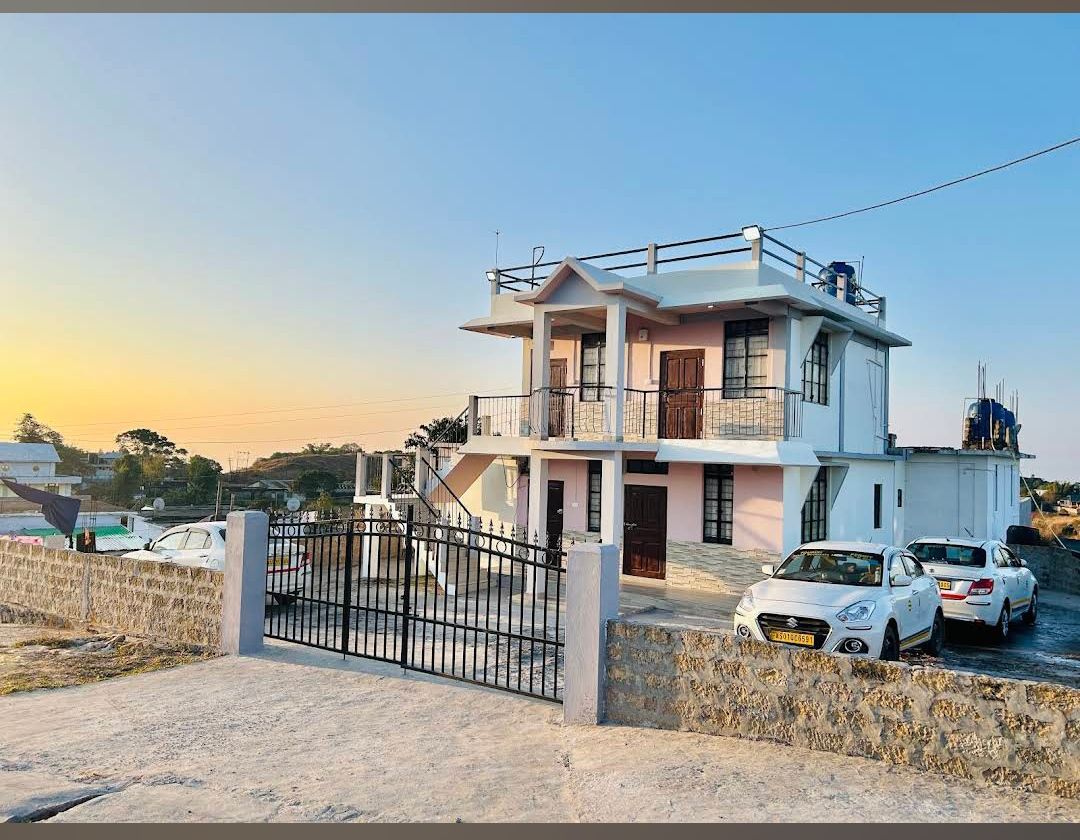
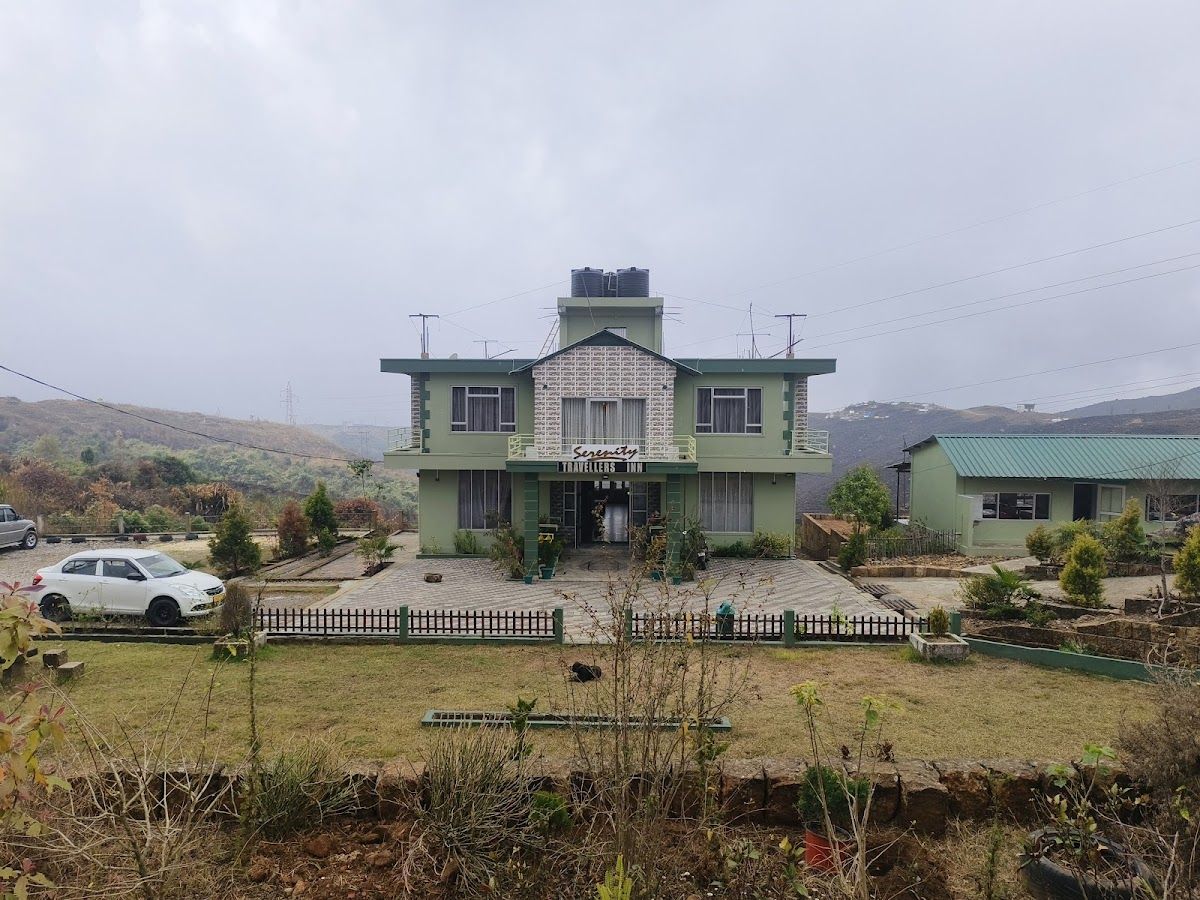
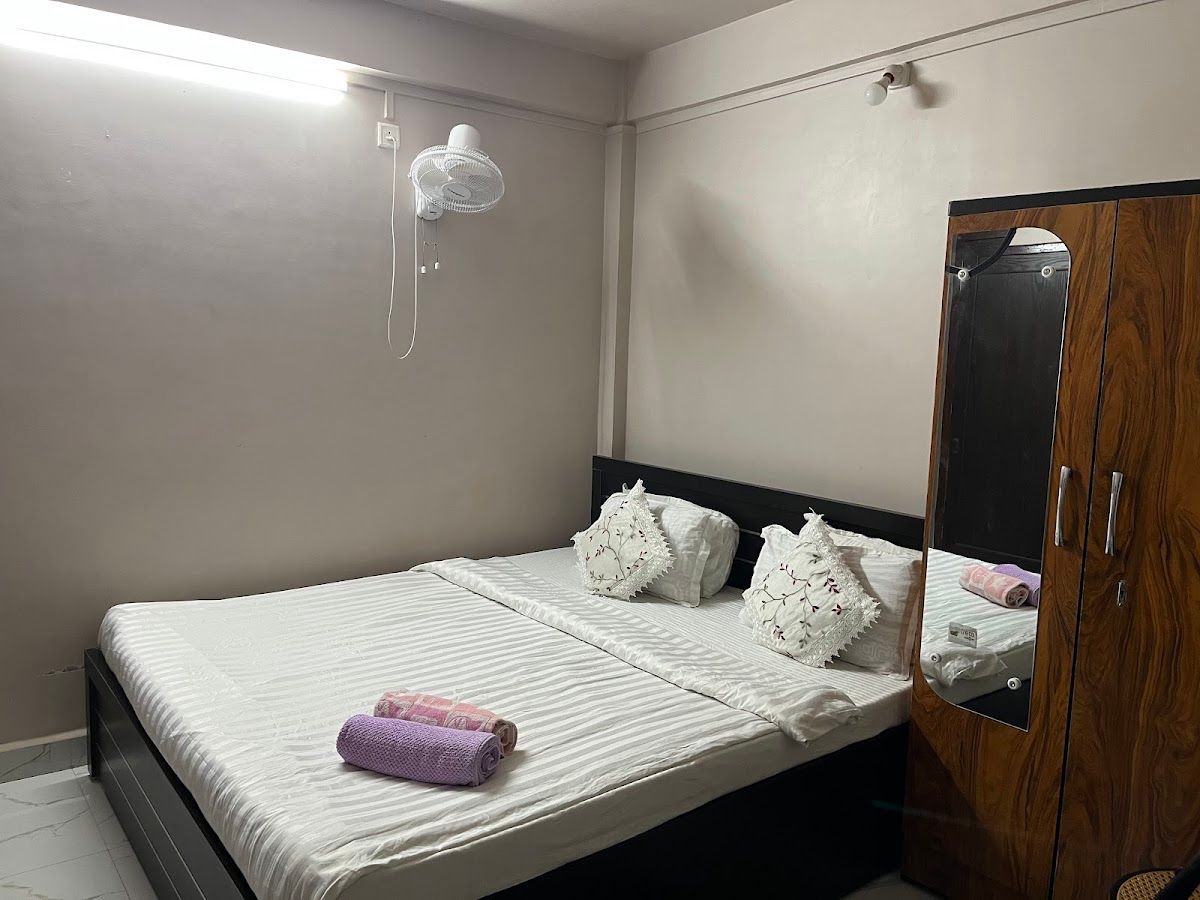
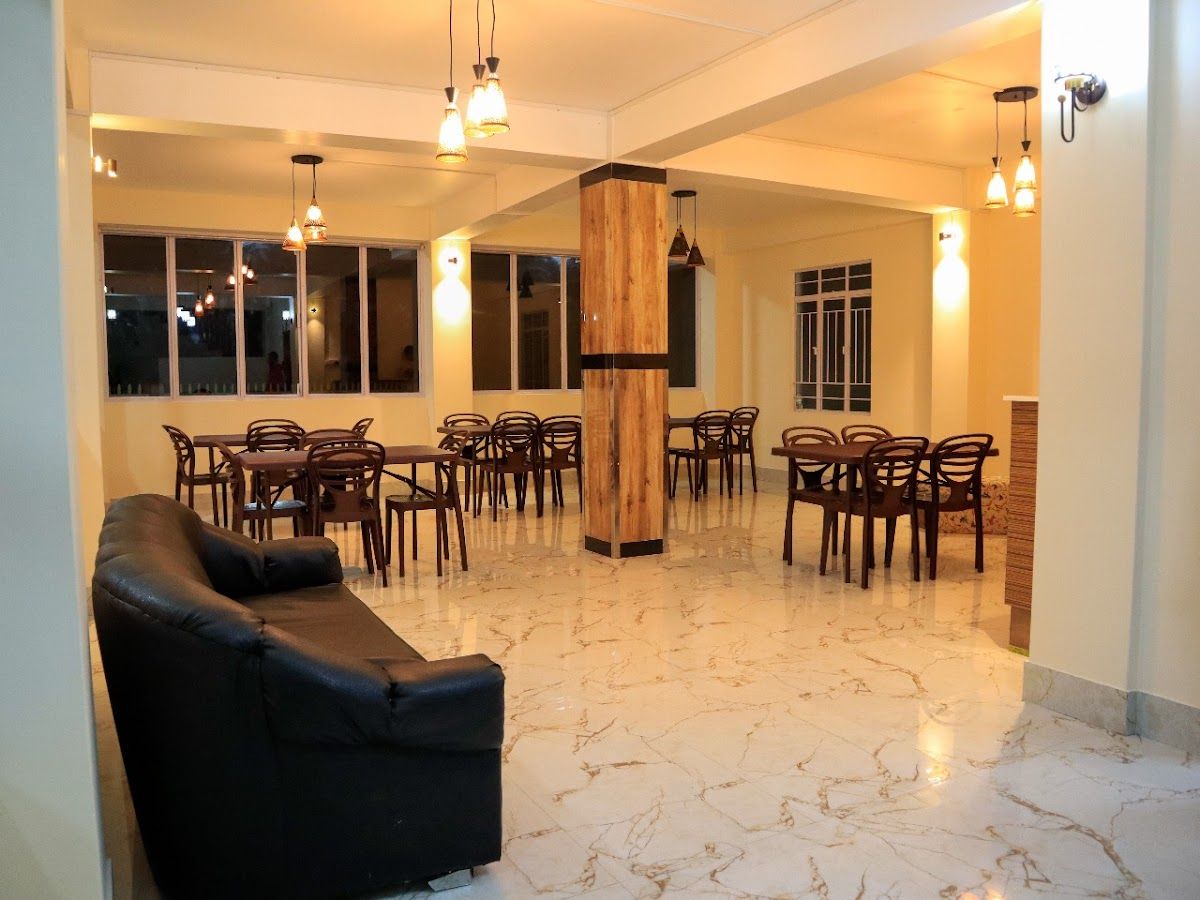
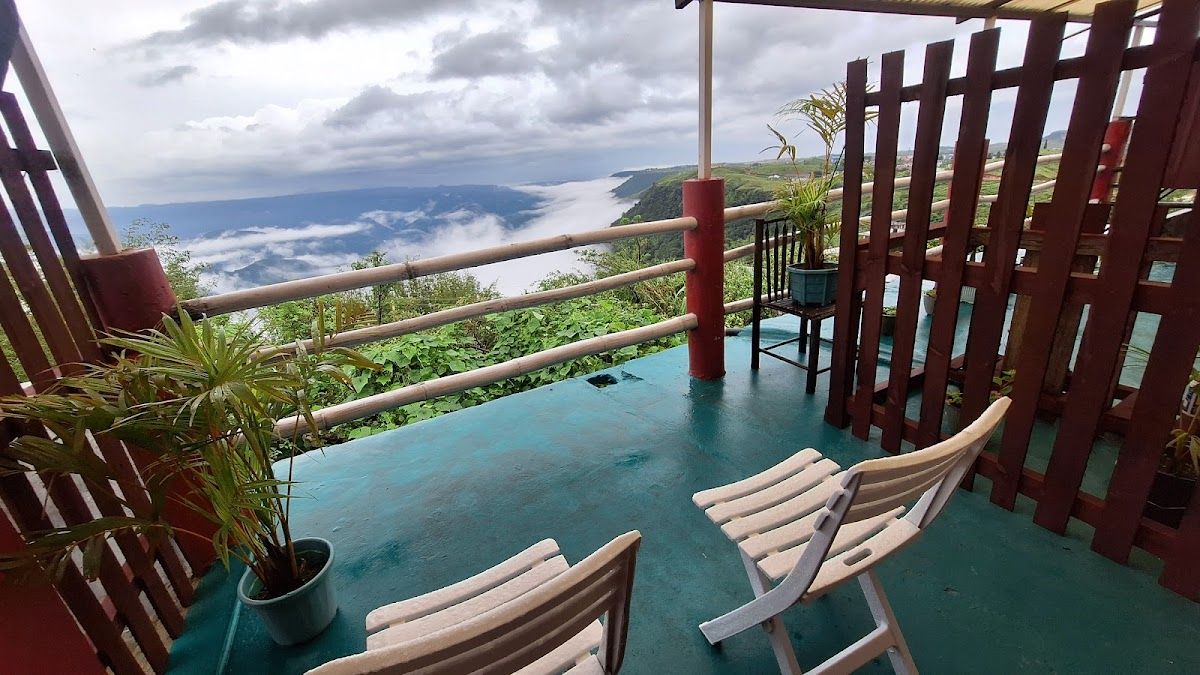
Leave affordability, the warm gesture and the rooms that were provided was absolutely amazing. Highly recommended for people who travel as a couple or solo travelers who are on the way to Sohra.
Arun Kumar S
Nohkalikai Falls is India's tallest plunge waterfall at 340 metres. It runs at its absolute best right after the monsoon season when the water crashes into the deep green pool below.
Seven Sisters Falls, also known locally as Nohsngithiang, offers spectacular multi-tiered cascades. These are easily visible from the main Sohra viewpoint, especially when the sun hits the water.
Mawsmai Caves is a lit limestone cave system near town. It provides an easy walk-through experience for most ages, with fascinating stalactite formations along the path.
Double Decker Living Root Bridge requires a steep, demanding trek down more than 3,500 steps via the Tyrna trailhead into Nongriat. It takes a full day to complete but rewards hikers with a marvel of Khasi bio-engineering.
Dawki's Umngot River is famous for its glass-clear water where boats seem to float in mid-air. Boating hits its peak clarity between January and March.
Mawlynnong village and the nearby Riwai root bridge make a popular day trip. It is known widely as Asia's cleanest village, with bamboo dustbins and manicured garden paths.
Guwahati Airport is 150km away. It serves as the standard, most reliable arrival hub for most travellers, taking roughly four hours by car via the winding roads of Shillong.
Shillong Airport in Umroi is closer at 80km. It has limited flight connectivity, mostly routing through Kolkata for a two-and-a-half-hour drive through the hills.
Guwahati is also the nearest railhead at 150km away. There are no passenger railway lines operating in Meghalaya itself.
By road, the state capital of Shillong is a 55km drive along NH206. This usually takes about two hours depending on the valley traffic. Dawki is 80km away at the Bangladesh river border, serving as a common route for day trips. Mawlynnong is a 75km drive via the Pynursla road, winding through dense tropical vegetation.
October through April is the ideal window for clear valley views and dry trekking trails. The weather is cool, the skies open up, and the humidity drops, making it the perfect time for long walks to the root bridges. June through September brings the defining Meghalaya monsoon. Cherrapunji is among the wettest places on Earth during these months. The waterfalls run at full force and the landscape turns a brilliant, saturated green, but the trails get incredibly muddy and many of the higher viewpoints fog in completely for days at a time.