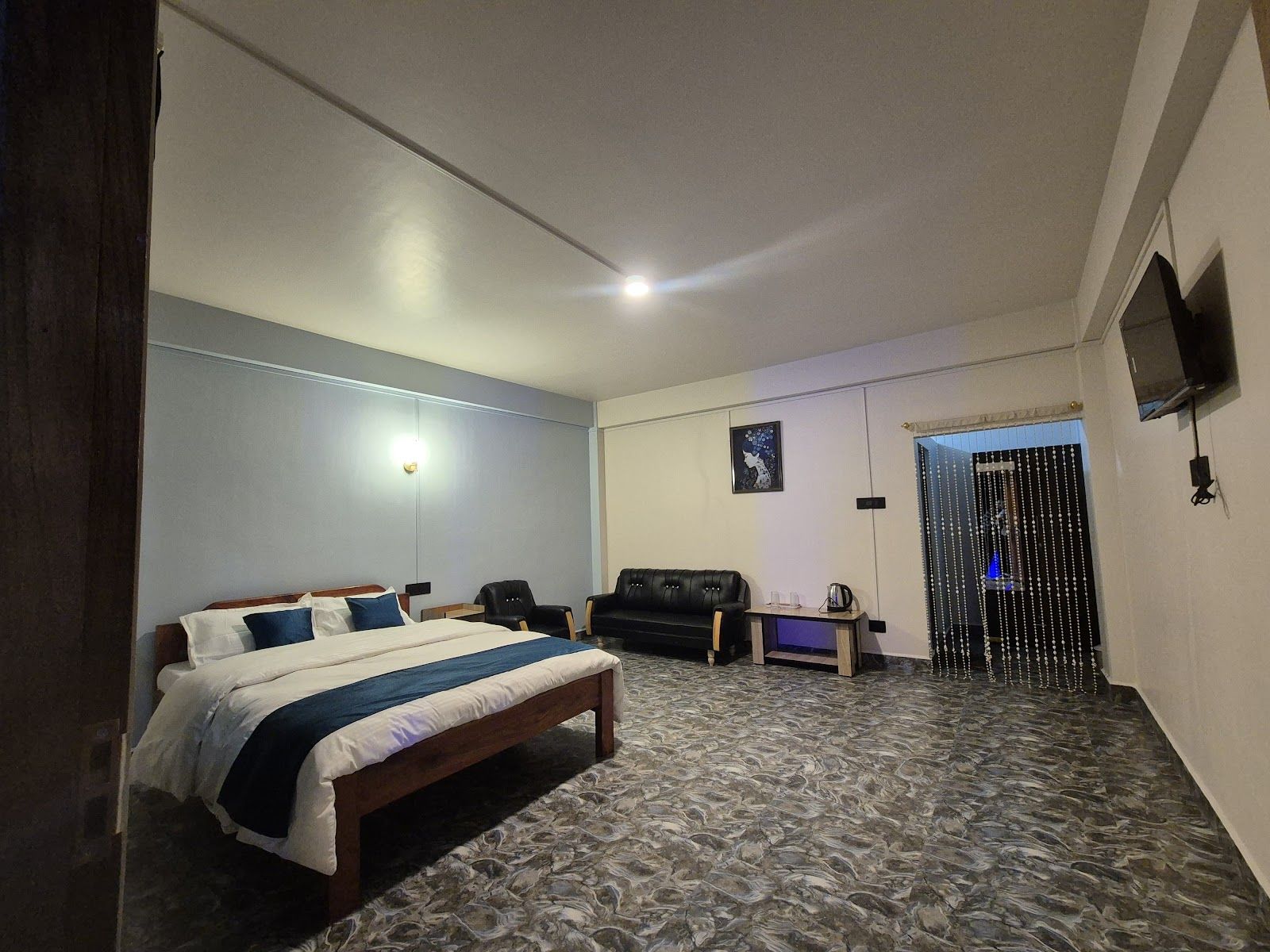
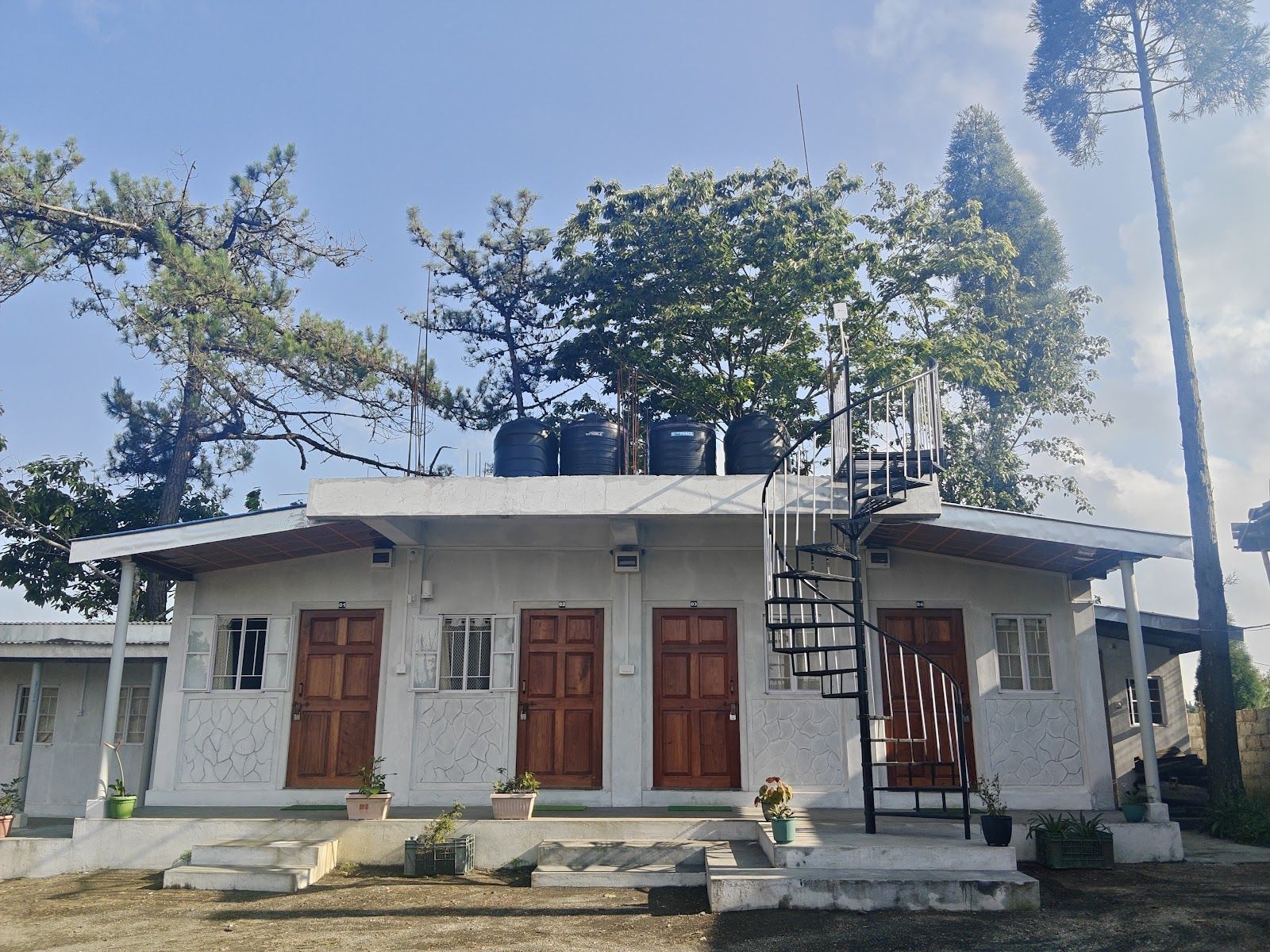
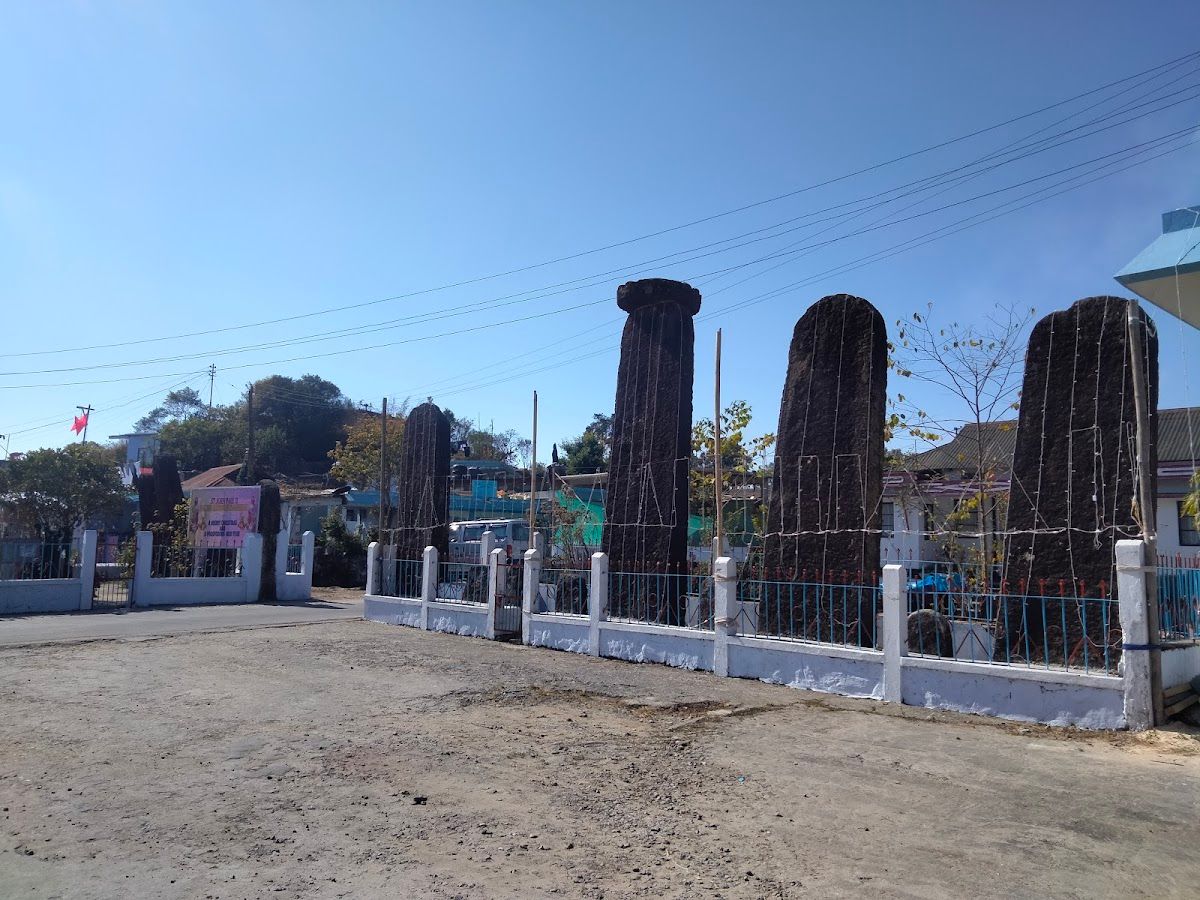
6-Room Hill Homestay in Cherrapunji, Meghalaya
5.0· 2 stays
Things to do nearby.
Nohkalikai Falls sits a short drive from the property, plunging 340 meters straight down into a turquoise pool. Visit early in the morning before fog fills the gorge, and bring sturdy shoes if you plan to walk along the upper viewpoint trails.
Mawsmai Cave and Krem Phyllut offer easy limestone cave exploration nearby. Mawsmai is well-lit and manageable without a guide, though taller guests will need to bend low through the narrow rock squeezes. Krem Phyllut provides a wilder look at the subterranean water channels of the plateau.
The Nongriat Double Decker Living Root Bridge requires a trek down 3,500 concrete steps starting from Tyrna village. Plan for a full-day excursion, pack extra water, and start at dawn to return before sunset. Local village guides can be hired at the trailhead.
Mawlynnong village, known for its clean stone paths and bamboo rain bins, sits further southeast toward the border. Walk up the Riwai sky walk, a woven bamboo structure built into the canopy, for views stretching across the plains.
The Umngot River at Dawki lies 95 kilometers away near the Bangladesh border. Between January and March, the mountain water clears completely, making wooden boats appear to float on glass.
Getting there.
Guwahati Airport (GAU) sits 100 kilometers north in Assam and serves as the primary air connection for Cherrapunji. The drive takes around four to five hours, ascending from the Assam plains through Shillong along National Highway 6.
Shillong Airport (SHL) at Umroi is located 30 kilometers from Shillong city and handles select regional flights, primarily connecting through Kolkata. Travelers landing here can arrange local cabs toward Cherrapunji.
Guwahati Railway Station (GAU) is the nearest major railhead, 100 kilometers away. Taxis and shared sumos operate regularly from the station complex up to Shillong and onward into the hills.
Cherrapunji, also known locally as Sohra, sits 53 kilometers south of Shillong. The two-hour drive follows winding mountain tarmac with frequent fog patches across the upper ridges.
Best time to visit.
October through April brings clear skies, crisp high-altitude air, and reliable daylight for road travel and cave walks. Daytime temperatures stay mild, while evenings call for light woolens. Water levels in rivers like the Umngot clear up dramatically by mid-winter.
June through September marks the heavy monsoon season, bringing over 10,000 millimeters of rainfall to the Sohra plateau. Waterfalls run at full volume and the landscape turns intense green, though heavy rains often close specific cave passages and slick root bridge steps.