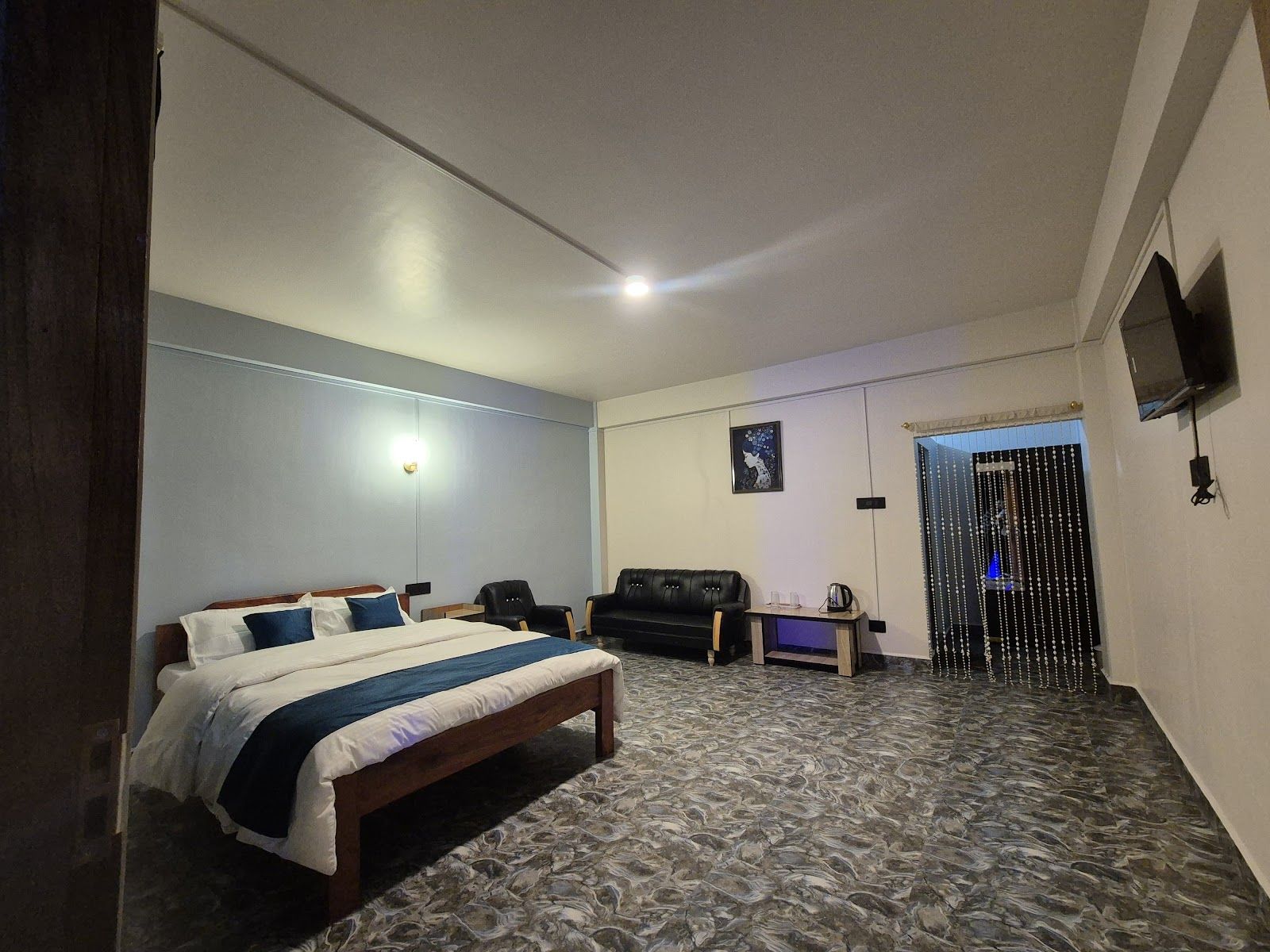
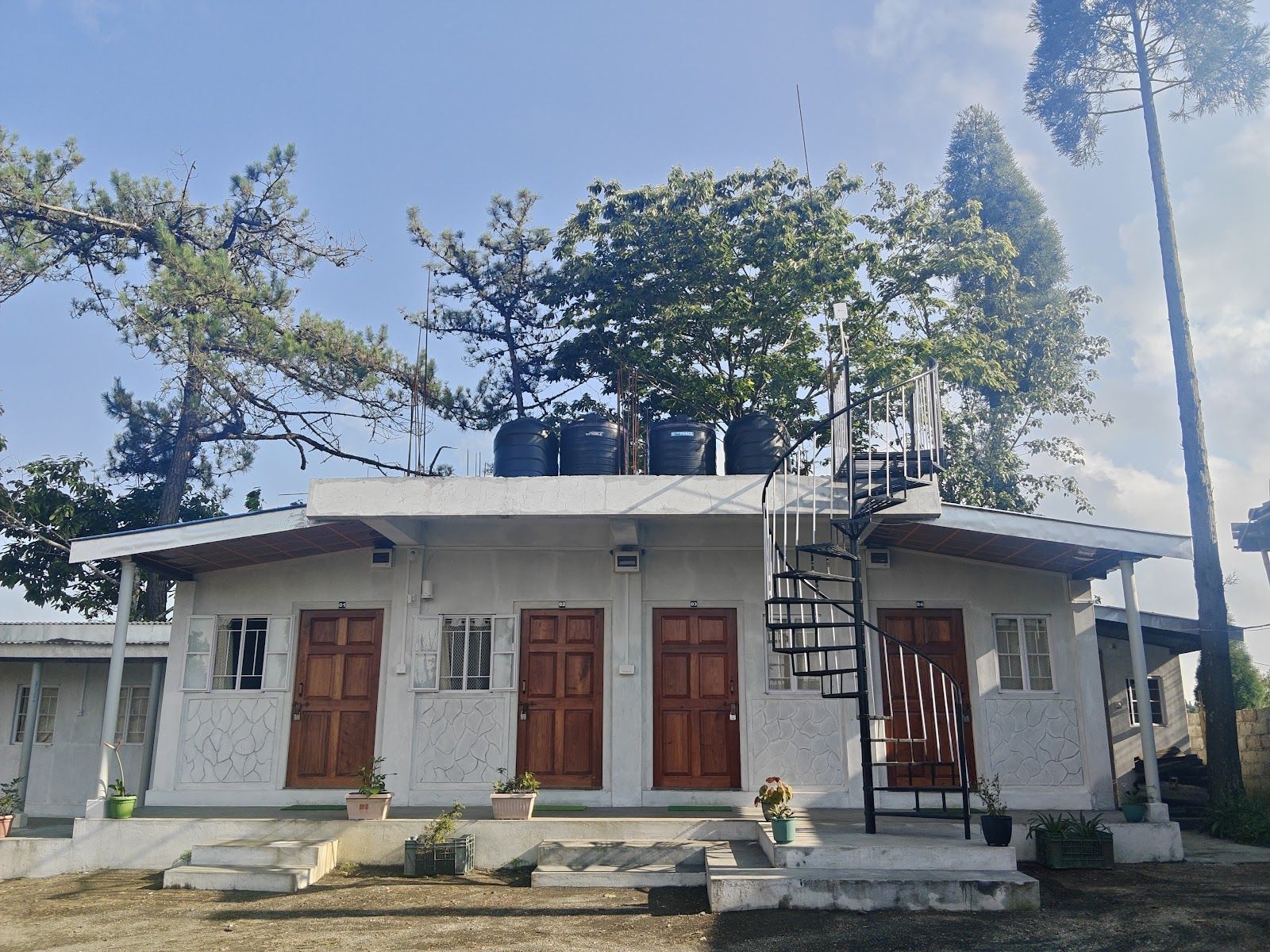
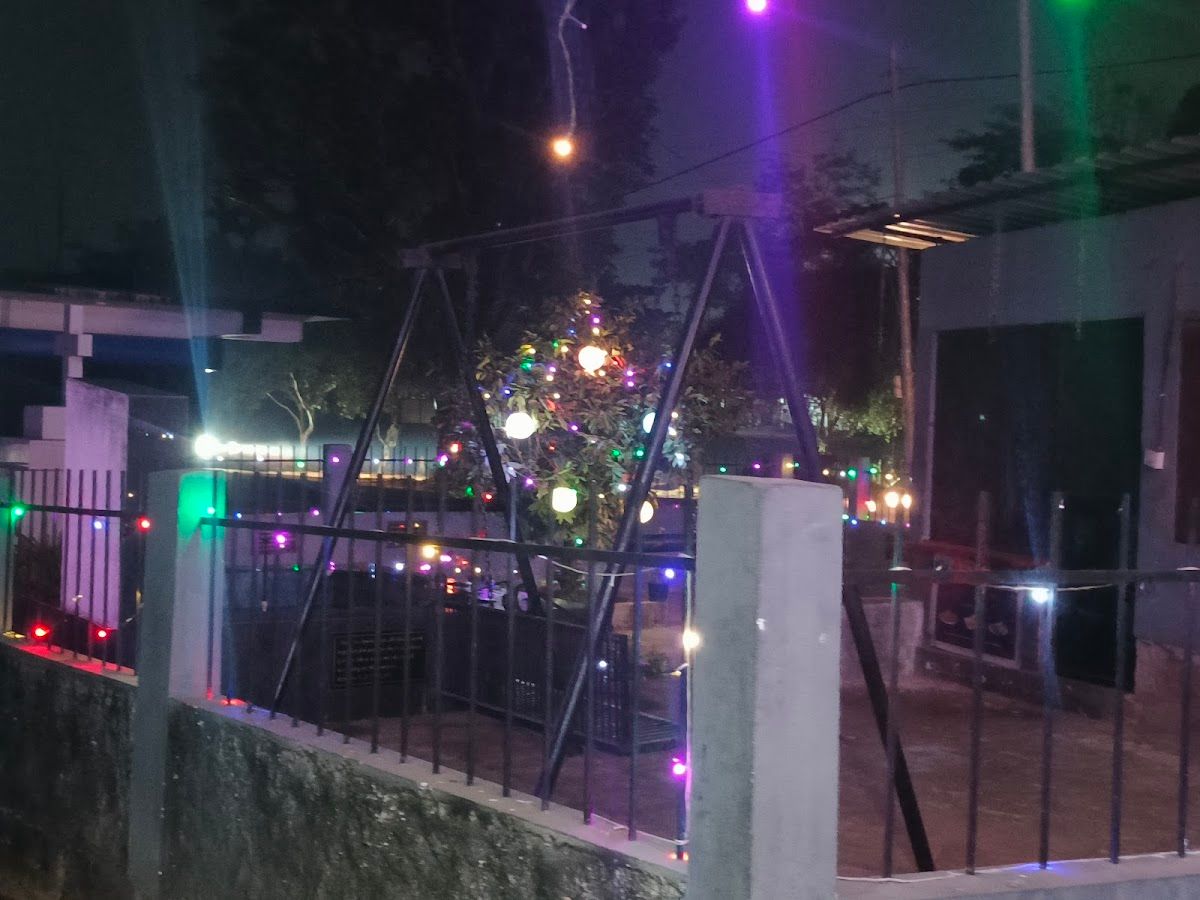
Cherrapunji homestay, Meghalaya - mountain views
5.0· 14 stays
Things to do nearby.
The home is positioned conveniently for exploring Cherrapunji's waterfalls, caves, and trails. Nohkalikai Falls drops 340 meters over dark stone cliffs into a turquoise basin far below. Plan a visit in the early morning hours before thick cloud cover fills the gorge.
The cave systems at Mawsmai and Krem Phyllut lie a short drive away. Mawsmai Cave features lighted walking paths through narrow rock passages, natural limestone pillars, and low ceiling corridors that require no specialized gear or guiding.
For hikers, the path down to the living root bridges of Nongriat starts nearby. Reaching the famous double-decker root bridge requires descending 3,500 stone steps into the jungle valley and crossing narrow cable bridges over mountain streams. Start the hike by 7am to avoid peak afternoon heat and carry sufficient water for the climb back.
Further southeast toward the Bangladesh border, the Umngot River at Dawki runs glass-clear from January through March, where wooden river boats appear to float directly over the stones below.
Mawlynnong village and the nearby Riwai sky walk offer an easier outing along cobblestone village lanes, bamboo walkways, and tidy flower gardens maintained by local households.
Getting there.
Guwahati Airport serves as the main arrival hub for Meghalaya, located 100 kilometers north. The road travel from Guwahati to Cherrapunji takes roughly three to four hours along the national highway, climbing through Shillong before reaching the Sohra tableland.
Shillong Airport at Umroi is located 30 kilometers from Shillong city and operates limited direct regional flights, primarily connecting through Kolkata. Travelers landing at Umroi can arrange local taxi transport onward to Cherrapunji, which takes around two hours.
Guwahati Railway Station is the nearest major railhead, situated 100 kilometers away. Shared cars and private taxis travel daily between the station and Cherrapunji via Shillong.
Best time to visit.
October through April brings clear skies, mountain air, and cooler evenings, making it the primary season for walking village trails, visiting caves, and daytime sight-seeing. Daytime temperatures remain pleasant, typically between 15 and 20 degrees Celsius.
The monsoon season from June through September brings dramatic downpours, with over 10,000 millimeters of rainfall cascading across the plateau. While certain cave passages and river hikes close during peak rain, the waterfalls reach maximum volume and the valley turns dense with green foliage.