The truth about camping at Dawki's Umngot River: when the water is actually crystal-clear, real prices for activities, the best camps in Shnongpdeng, and the things other guides leave out.
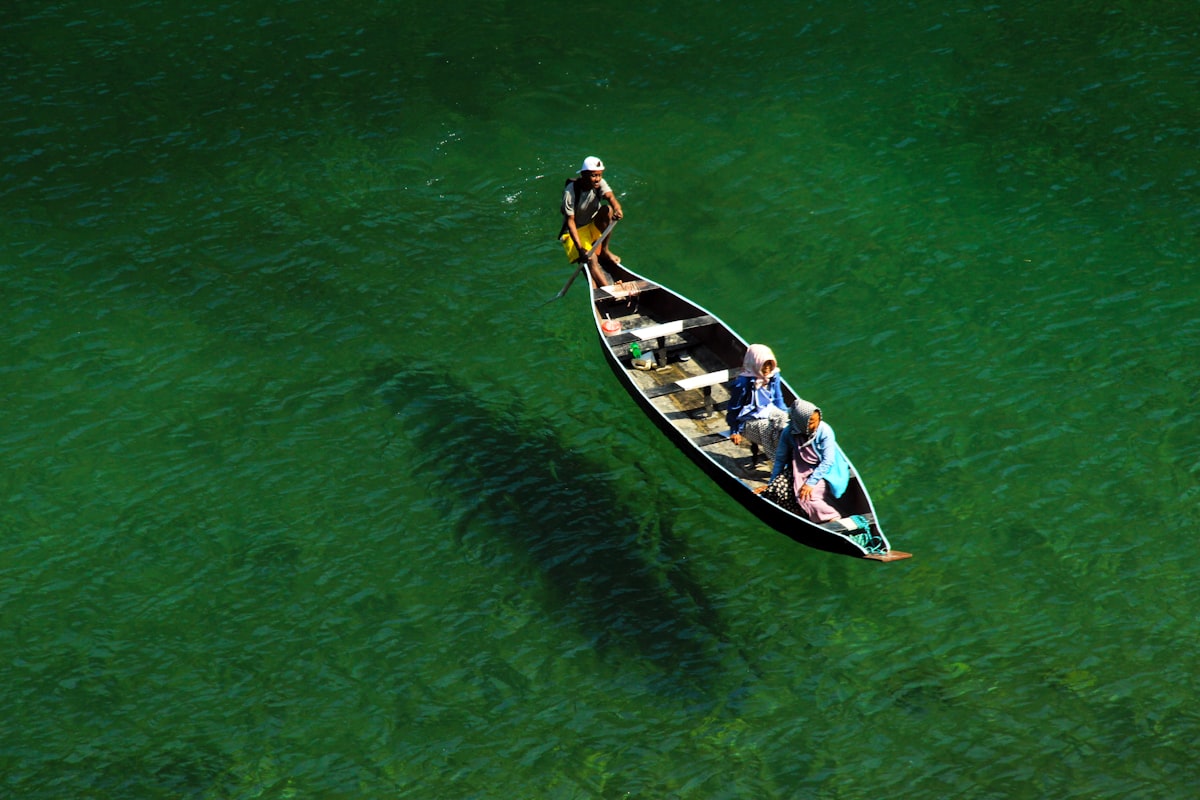
That photo you've seen. The wooden boat hovering above its own shadow on water so clear it looks like the river was drained and someone forgot to tell the boat. Riverbed in perfect detail. Every pebble, every ripple of sand.
That's the Umngot River at Dawki, Meghalaya. The photo is real. But there's a catch that most travel blogs don't mention, or mention in passing and then bury under pretty pictures: that transparency only happens during specific months. Come at the wrong time and you'll find a decent river with greenish water that looks like a regular river. Come in December and the clarity is so absurd it tricks your depth perception. You genuinely can't tell where air ends and water begins.
When the Water is Actually Clear
The Umngot runs along the India-Bangladesh border in the West Jaintia Hills. The famous clarity happens because of a limestone and sand riverbed (no silt), rocky hills that don't shed sediment, and gentle dry-season currents that let particles settle.
Month
Clarity
What to Expect
November
Very clear
Monsoon sediment washed through, water dropping
December
Peak transparency
The month for those photos
January
Peak transparency
Equally stunning, slightly cooler
February
Clear
Still excellent, slightly less dramatic
March
Clear to moderate
Warming up, water still good
April-May
Moderate
Pre-monsoon rains begin, clarity drops
June-September
Poor
Monsoon. River swells, turns brown-green. The photo is not happening.
October
Improving
Can be surprisingly clear by month's end
If crystal water is why you're going, target November through January. December is peak.
Boats on the crystal-clear Umngot River at Dawki, where the water is transparent enough to see the entire riverbed
Dawki vs. Shnongpdeng
These get used interchangeably online. They're 8 km apart and serve different purposes.
Dawki is the border town. This is where the famous boat photos happen. There's a crossing to Bangladesh, a bridge, a handful of shops. You do the boat ride, get the photos, and there's not much reason to stay longer than an hour or two.
Shnongpdeng is upstream and it's where camping, kayaking, cliff jumping, snorkeling, zip-lining, and river activities happen. If you're spending a night by the Umngot, you're staying in Shnongpdeng.
Do Dawki first thing in the morning (best light, fewest people), then head to Shnongpdeng for the rest.
Camping in Shnongpdeng
Shnongpdeng is a small Khasi village that's become Meghalaya's adventure tourism hub over the past few years. Tent camps line the riverbank, ranging from basic to "basic but with better food." It's camping. Set expectations for camping.
Camp Costs
About 10-15 operators. Quality is similar across most of them.
Larger tent on the water, all meals, better facilities
Cottage/hut
INR 2,000-3,500
Bamboo or wood cottage, more privacy, meals usually included
December-January weekends are peak season and peak pricing. Book in advance for those. Weekdays and shoulder months, walk-ins are fine. Most camps run on Instagram and WhatsApp rather than websites. Ask your Shillong accommodation host for contacts.
Toilets are basic. Hot water is rare. Electricity is limited. This is a village campsite by a river, not a resort.
Food
Most packages include dinner and breakfast. Dinner is rice, dal, vegetables, chicken or pork, sometimes Maggi as a starter. Breakfast is bread, eggs, chai. Simple, filling. Sitting around a bonfire by the river eating dal and rice is its own kind of perfect.
If you're vegetarian, mention it when booking. The default menu is heavy on meat. Jain or vegan travelers should bring their own food.
Beer is available at most camps. INR 200-300 per bottle. Some have local rice wine.
Activities and What They Cost
Activity
Price
Duration
Notes
Boating (Dawki)
INR 300-500/boat (2-3 people)
20-30 min
The classic photo ride. Go early.
Kayaking
INR 300-500
30-45 min
Calm water. Good for beginners.
Snorkeling
INR 400-600
30-45 min
Gear provided. Best Nov-Jan.
Cliff jumping
INR 200-300
Per jump
Multiple heights, 3m to 10m. Guide and life jacket.
Zip-line
INR 500-800
Single ride
Crosses the river. Feels safe.
Scuba diving
INR 2,500-4,000
30-45 min
River scuba. Surprisingly good when visibility is high.
Tubing
INR 200-400
30 min
Float downstream. Relaxing.
Bonfire
Usually included
Evening
Part of most overnight packages.
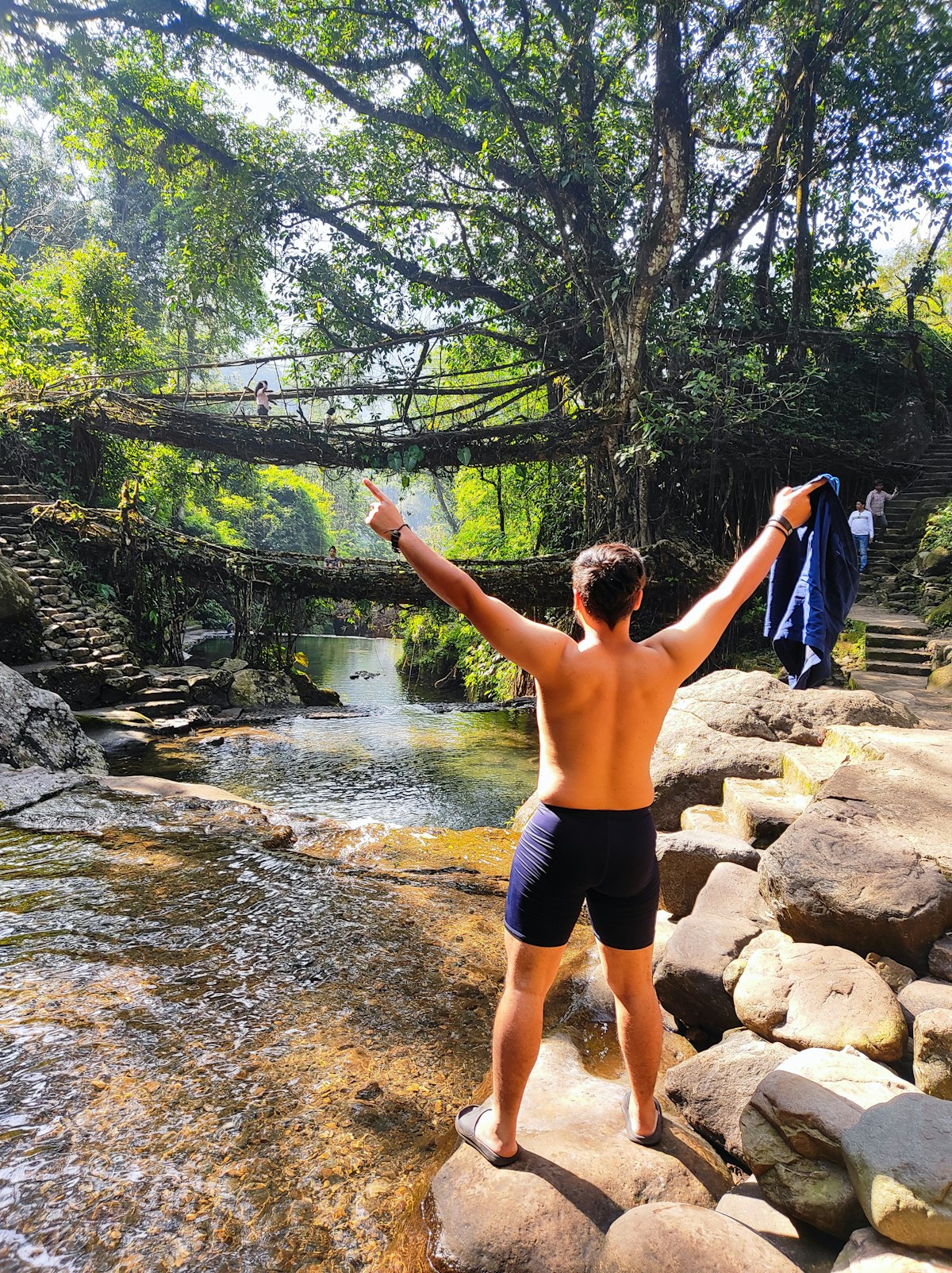
Boating and water activities on the Umngot River near Shnongpdeng, Meghalaya
If you're doing multiple activities with one operator, negotiate a bundle. Kayaking + snorkeling + cliff jumping usually goes for INR 800-1,200 combined rather than paying separately.
Getting There
80 km from Shillong. 2.5 to 3 hours. Decent two-lane road with some rough patches, beautiful drive through the East Khasi Hills. Leave Shillong by 7-8 AM to reach Dawki by 10 for best morning light.
No reliable fuel stations between Shillong and Dawki. Fill up before leaving. Shared taxis from Bada Bazaar in Shillong run INR 300-400 per person but are infrequent. A private cab for the full day loop (Shillong to Dawki to Shnongpdeng to Mawlynnong and back) costs INR 3,000-4,500.
Combining with Mawlynnong
Dawki and Mawlynnong ("Asia's cleanest village") are 30 km apart. Most people do both in the same loop. Logical sequence:
●Morning: Dawki boat ride and photos
●Midday: Shnongpdeng activities
●Late afternoon: Drive to Mawlynnong, walk the village, sky walk, Riwai root bridge
●Evening: Back to Shnongpdeng camp or drive to Shillong (3 hours from Mawlynnong)
Or if camping overnight:
●Day 1: Arrive Shnongpdeng, set up camp, water activities, bonfire
●Day 2: Early Dawki boat ride, back for checkout, Mawlynnong, then Shillong
Phone signal is bad to nonexistent. BSNL has the best shot at coverage. Jio and Airtel are unreliable. You might get a bar in one spot and nothing ten meters away. Download offline maps before leaving Shillong. Tell someone where you're going.
This matters practically. You can't UPI your way through Shnongpdeng. You can't hail a cab. You can't look anything up.
There are no ATMs. Nearest ATMs are in Shillong (80 km) or Pynursla (40 km). Withdraw cash in Shillong. Carry at least INR 3,000-5,000 per person for a one-night trip. Some camps accept UPI when signal cooperates. Don't count on it.
Pack: Cash (non-negotiable). Swimwear. Quick-dry towel. Sunscreen (river reflects sunlight hard). Warm layer for evenings (cold by the river November through January). Headlamp. Waterproof bag for phone/camera. Mosquito repellent. Playing cards or a book for the long river evenings.
Safety: Only cliff jump at designated spots with a guide. River depth varies and unmarked spots can be dangerously shallow. Don't swim during monsoon. The road back to Shillong is poorly lit at night; try to finish the drive before dark. Nearest hospital is in Shillong. Carry a basic first aid kit.
Bangladesh border: Dawki has an active border crossing to Tamabil, Bangladesh. Foreign nationals with the right visa can cross. It's one of the less chaotic land crossings. The border bridge itself is worth a look: the river divides two countries and you can see Bangladeshi villages on the opposite bank.
The Bottom Line
When the water cooperates (November through January), the Umngot River is everything the photos promise. Sitting by the river at dusk, watching the water go from turquoise to silver while a bonfire crackles behind you and the forest sounds close in, is the kind of experience that doesn't fit neatly into a review score. It recalibrates what you think India has to offer.
The infrastructure is basic. The camps are simple. The toilets are simple. The connectivity barely exists. If that bothers you, you'll be frustrated. If you can be fine with it, you'll be rewarded with something that polished destinations can't give you: actual wildness in an actual wild place.
Time it right. Bring cash. Set expectations for camping, not comfort. And you'll have one of the best river experiences available anywhere in India.
Browse stays near Dawki for alternatives to camping, or let our tours handle the logistics.