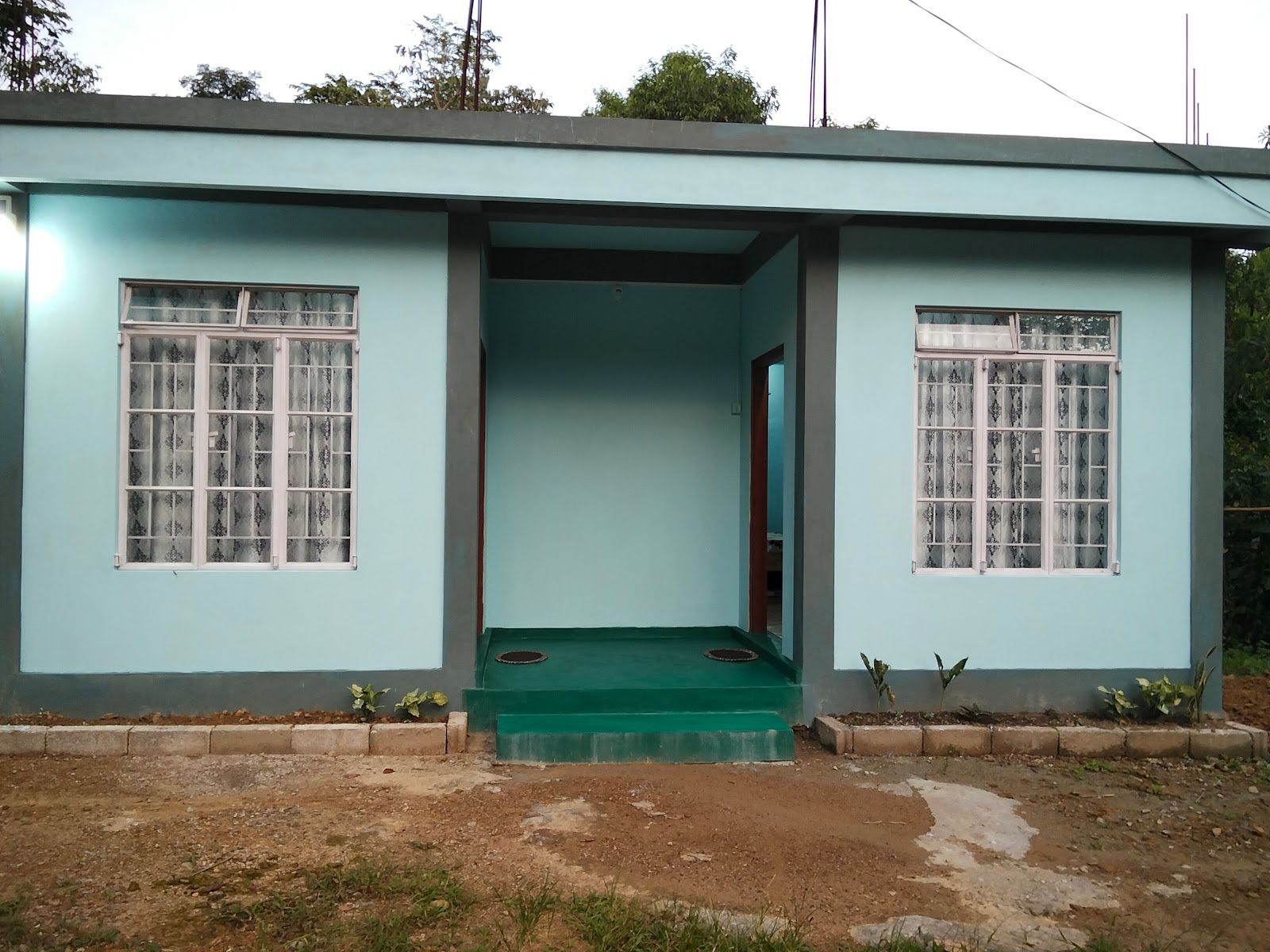
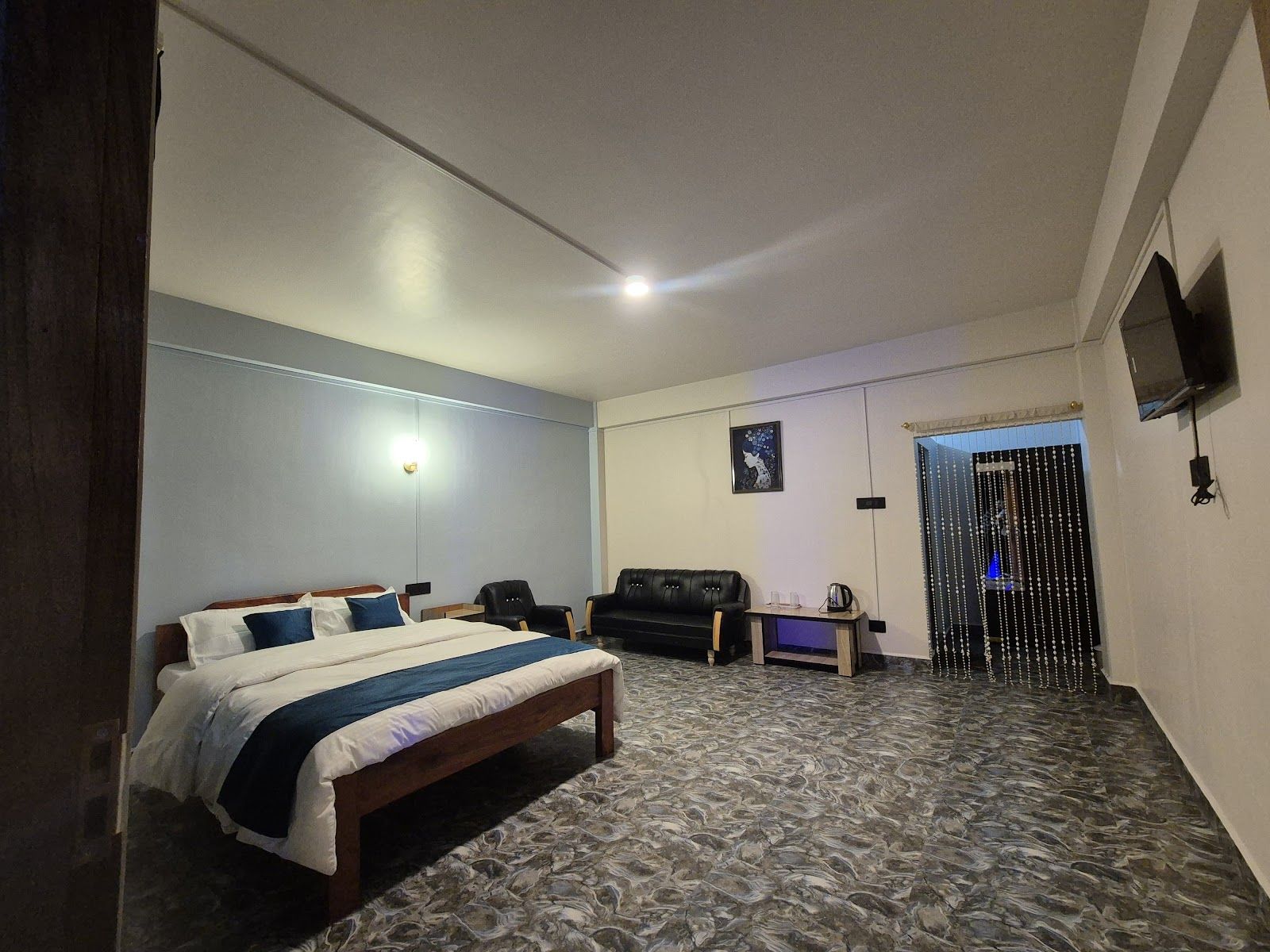
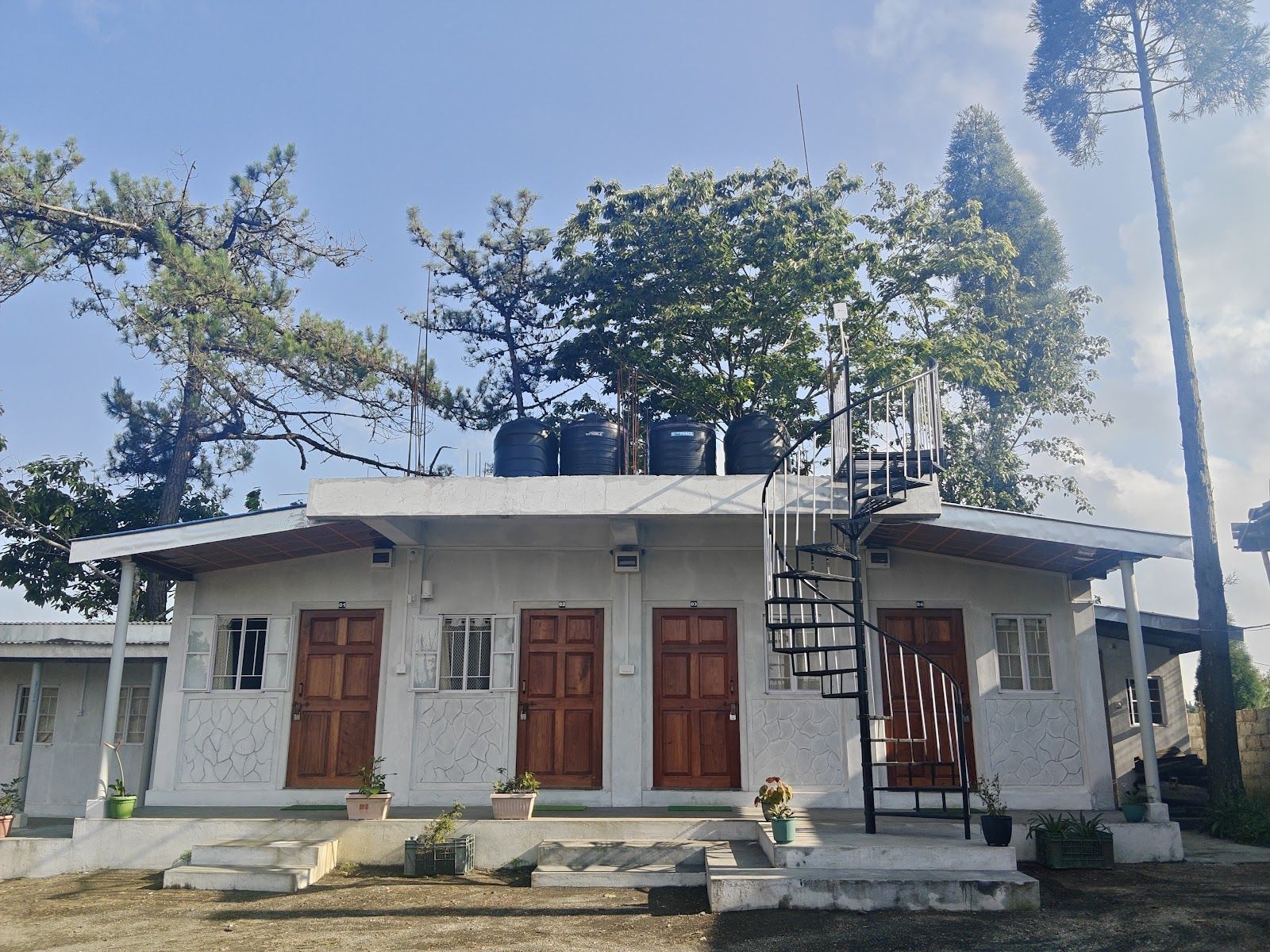
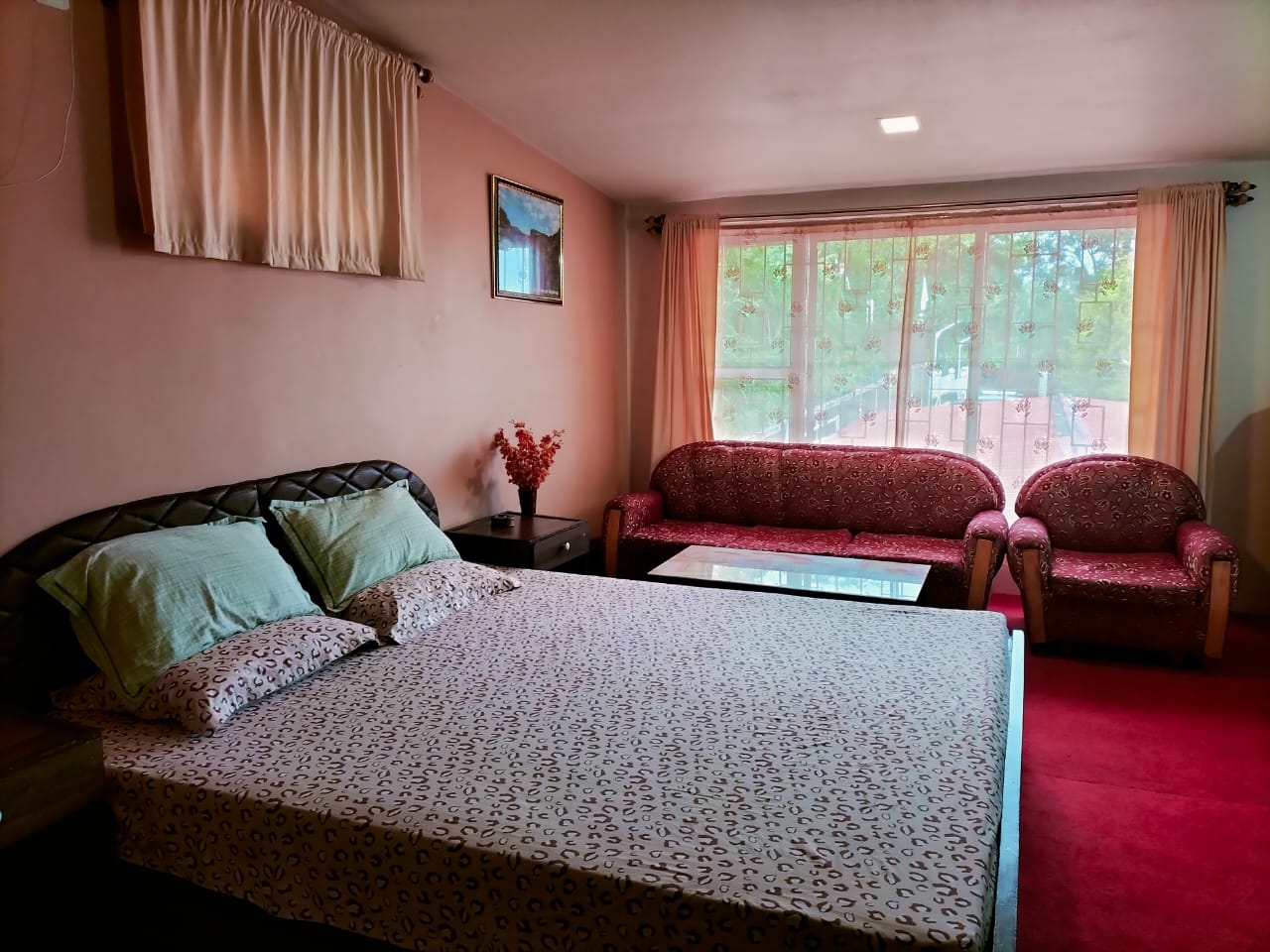
Pool homestay with valley views, Shillong
4.1· 306 stays
Things to do nearby.
Meghalaya’s sights are a drive away, with Shillong as your starting point. The living root bridges are a worth seeing. The most famous, the Nongriat double-decker bridge, is a challenging but rewarding trek down 3,500 steps into the valley. Go with a guide and start early.
Near Cherrapunji (Sohra), you can explore the Mawsmai and Krem Phyllut caves. These limestone caves are well-lit and accessible, offering a glimpse into the world beneath the hills. Wear shoes with good grip, as the paths can be slippery.
The Umngot river at Dawki, near the Bangladesh border, is known for its impossibly clear water. The best time to see this is from January to March, before the monsoon rains arrive. You can hire a boat for a ride on the water.
Mawlynnong is often called Asia's cleanest village. It’s a small, well-kept village with bamboo sky walks, like the one at Riwai, offering views over the plains of Bangladesh.
Nohkalikai Falls, India's tallest plunge waterfall at 340 metres, is a powerful sight, especially during or just after the monsoon. There are viewpoints near the top to see the full drop.
Getting there.
By Air: The nearest major airport is Guwahati (GAU), about 100km or a 3-hour drive from Shillong. It has wide connectivity across India. A smaller airport at Umroi near Shillong (SHL) is 30km away but has limited flights, mostly from Kolkata.
By Rail: Meghalaya has no rail network. The closest major railway station is in Guwahati, 100km from Shillong. From the station, you can hire a taxi or take a shared cab to Shillong.
By Road: Shillong is the main road hub for exploring the Khasi & Jaintia Hills. From here, you can hire taxis to get to Cherrapunji (53km), Dawki (95km), and other destinations.
Best time to visit.
The best season to visit is from October to April, when the weather is dry and pleasant. The skies are clear, and all attractions are accessible. The monsoon, from June to September, is intense, with the region receiving over 10,000mm of rain. While some waterfalls and caves may close, the landscape turns an incredible, vibrant green.