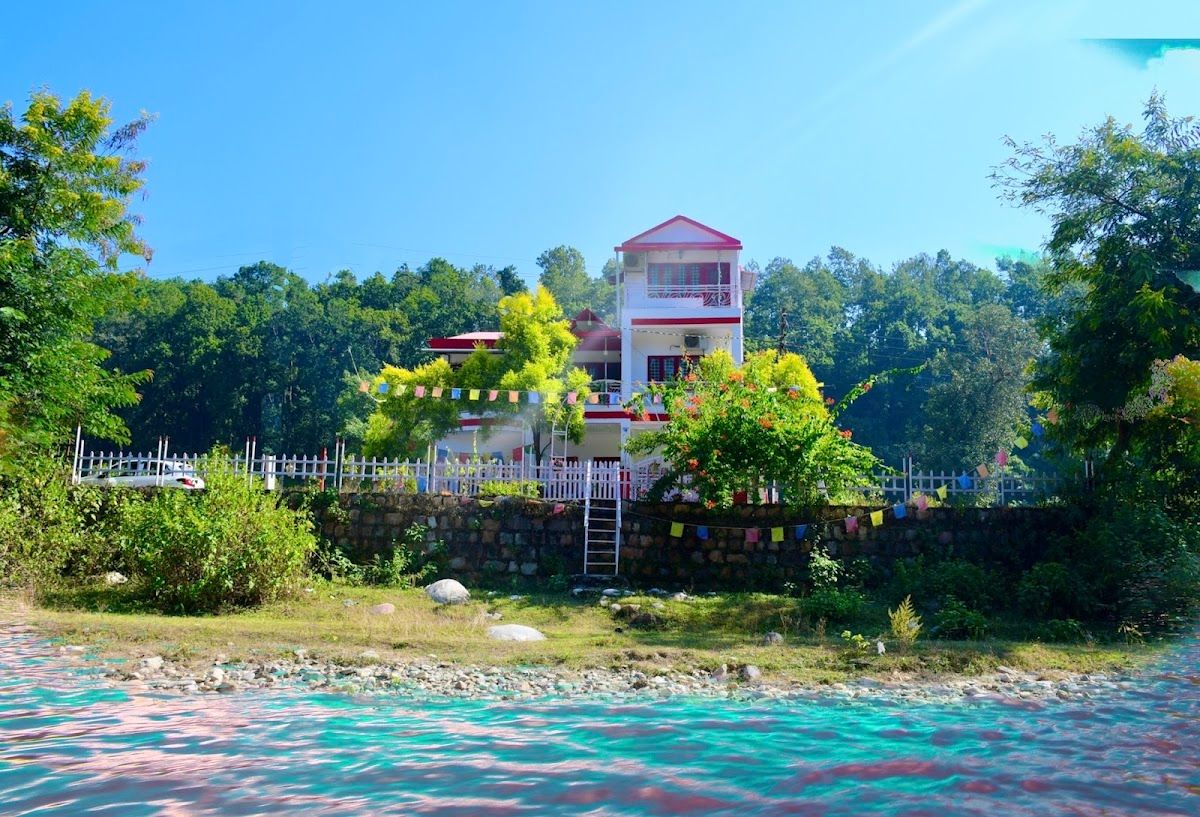
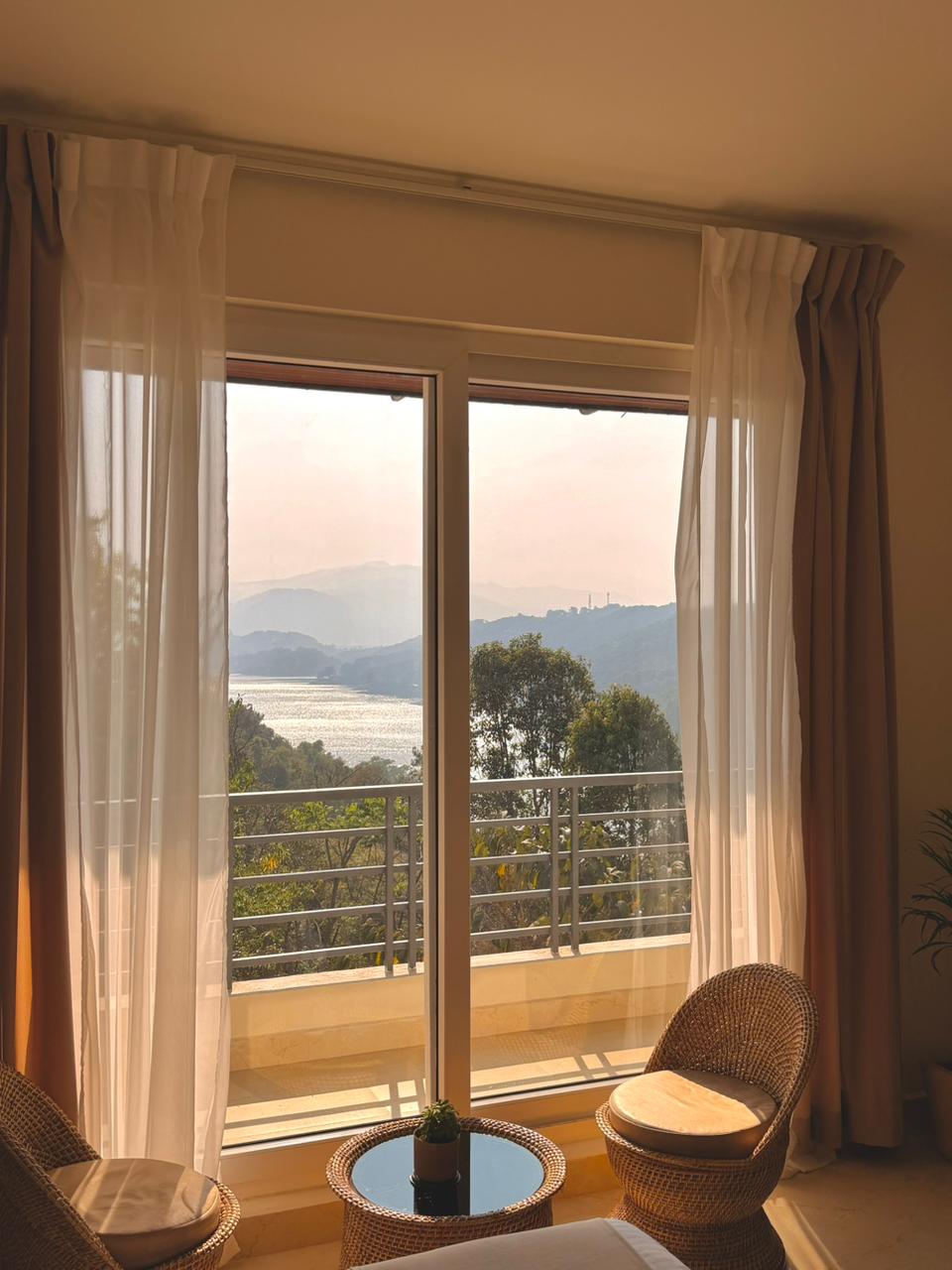
House with Umiam Lake views, Meghalaya
5.0· 9 stays
Things to do nearby.
The home’s location at the start of the Shillong Bypass makes it a good base for exploring the Khasi & Jaintia Hills. Shillong is the main hub, and from there, the roads wind out to some of Meghalaya’s most well-known sights.
Cherrapunji, or Sohra, is a two-hour drive away. This is the gateway to the famous living root bridges, including the Nongriat double-decker bridge, which requires a descent of 3,500 steps. The area is also home to the Mawsmai and Krem Phyllut caves and Nohkalikai Falls, India's tallest plunge waterfall at 340 metres.
Further on, the road leads to Dawki, on the border with Bangladesh. Here, the Umngot river runs so clear in the winter months, from January to March, that boats seem to float on air. Nearby is Mawlynnong, often called Asia’s cleanest village, with its own root bridge and a bamboo sky walk offering views over the plains of Bangladesh.
Getting there.
The standard arrival point for Meghalaya is Guwahati, which has the nearest major airport and railhead. By air: Lokpriya Gopinath Bordoloi International Airport (GAU) in Guwahati is 100km from Shillong and is well-connected to major Indian cities. The drive to Shillong takes about 3 hours. A smaller airport at Umroi (SHL), just 30km from Shillong, has limited flights, mostly connecting through Kolkata. By rail: The nearest major railway station is in Guwahati. There is no rail network within Meghalaya itself. From the station, you can hire a taxi for the 3-hour drive to Shillong. By road: The home is located near Shillong, the state capital and the central hub for travel within the Khasi Hills. Roads connect Shillong to Cherrapunji (53km) and Dawki (95km).
Best time to visit.
The best time to explore the Khasi Hills is from October to April, when the weather is dry and the skies are generally clear. This is the ideal season for trekking to the root bridges and seeing the crystal-clear water of the Umngot river.
The monsoon arrives in June and lasts through September, bringing with it some of the heaviest rainfall on earth, often over 10,000mm. During this time, the landscape becomes intensely green and waterfalls are at their most powerful. However, some caves and trails may be closed, and the constant rain can disrupt travel plans.