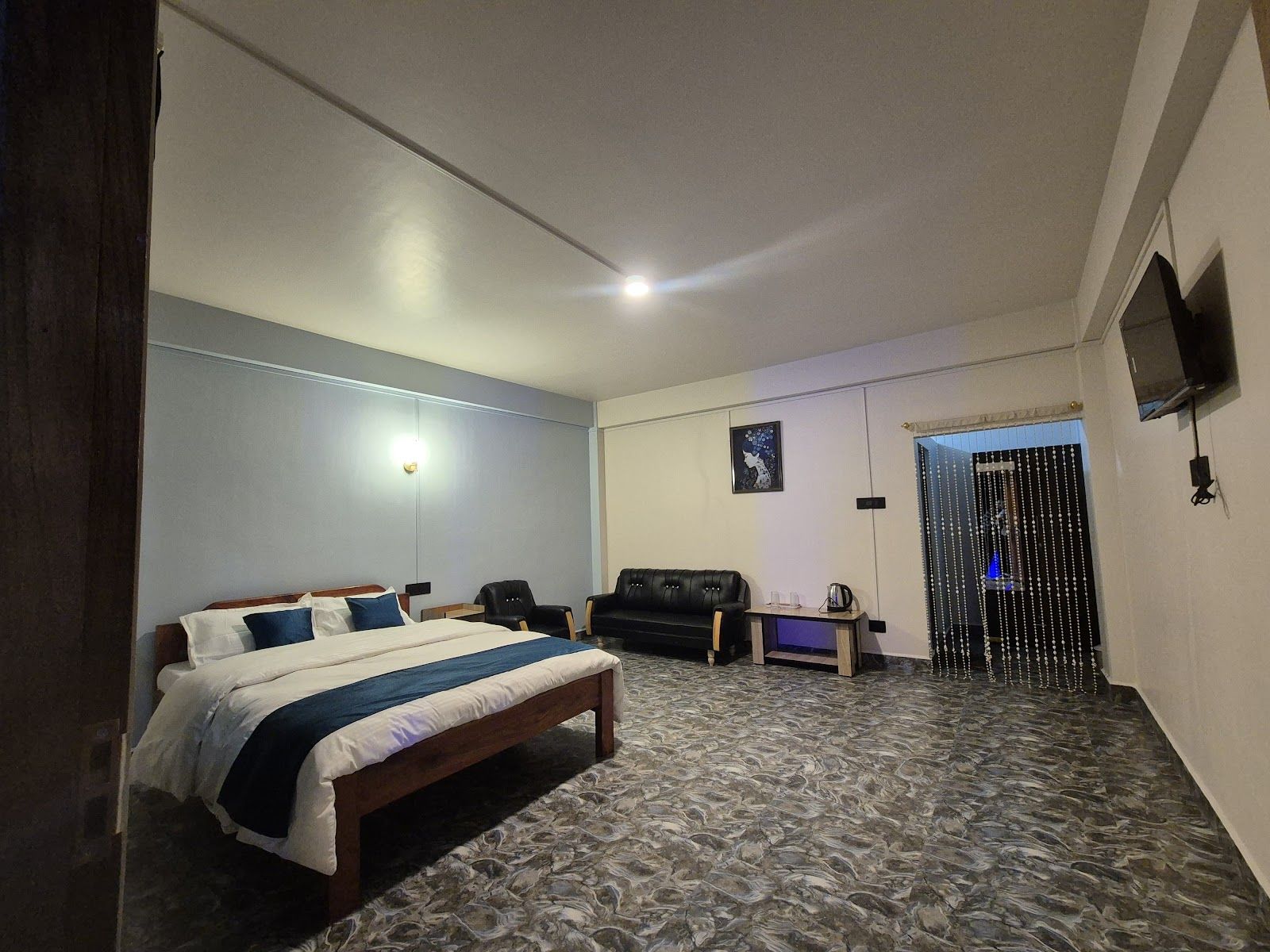
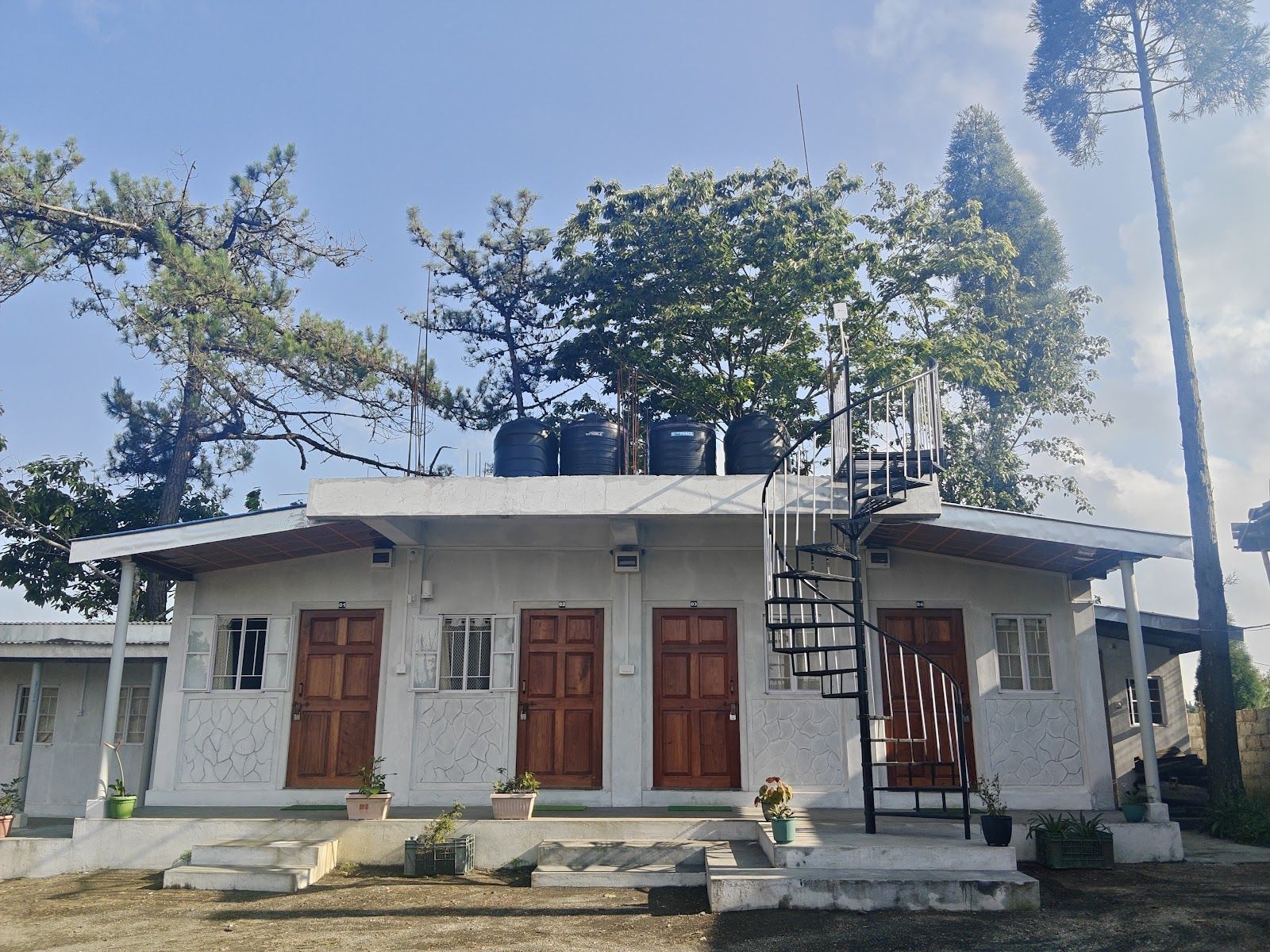
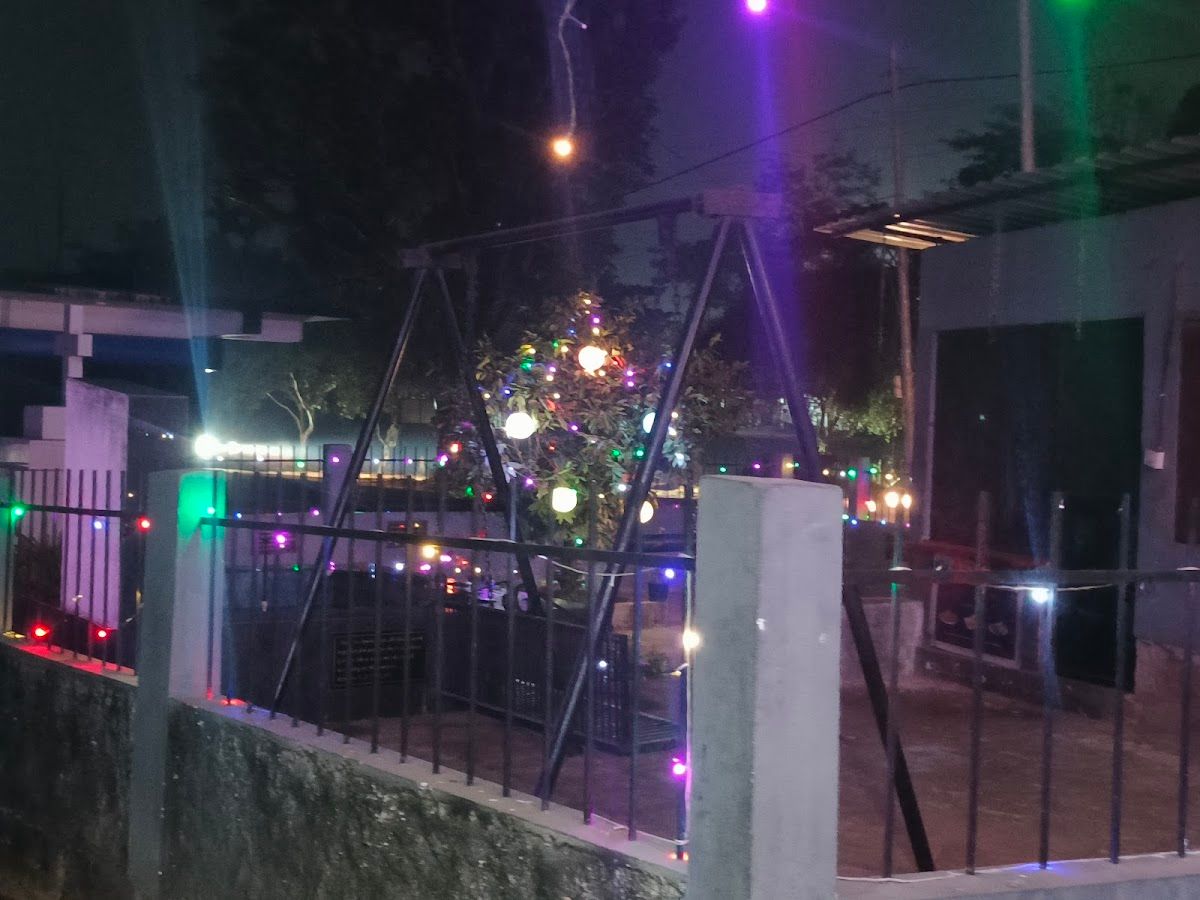
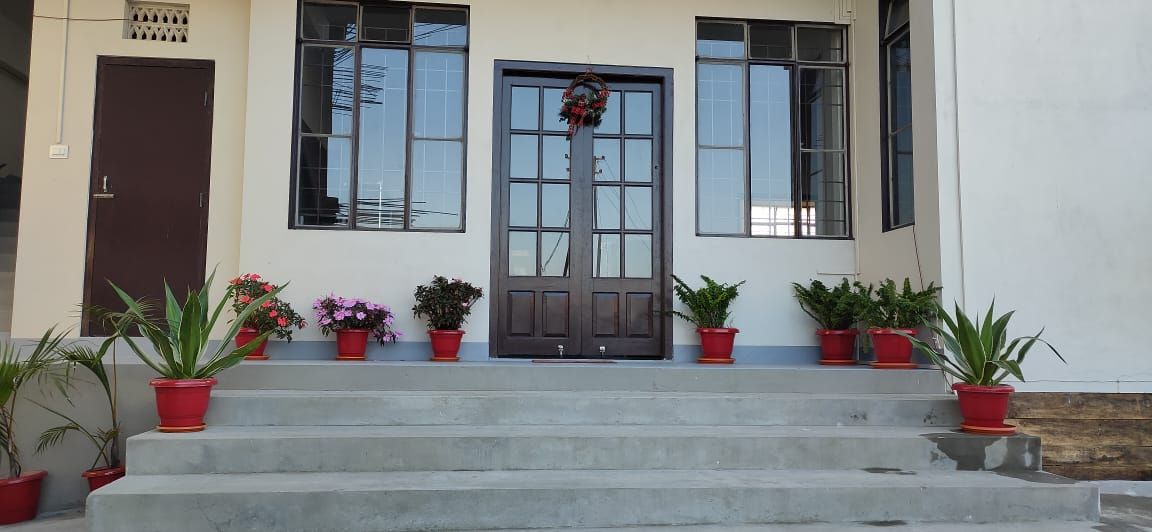
Stream-side homestay in Cherrapunji, Meghalaya
4.4· 106 stays
Things to do nearby.
Nongriat double-decker living root bridge sits deep in the river ravine below Sohra. Reaching the bridge requires descending 3,500 steep concrete steps down through the rain-forest canopy. Plan for a full day trek, wear sturdy shoes, and carry plenty of water. Local Khasi guides can be hired at the trailhead in Tyrna village.
Nohkalikai Falls plunges 340 meters straight down a sheer rock wall, making it India's tallest plunge waterfall. The viewpoint sits a short drive from the home. Visit during clear early mornings before afternoon clouds settle across the cliff edge.
Mawsmai and Krem Phyllut caves offer an underground walk through lit limestone passages. Mawsmai Cave features easy footpaths through illuminated chambers, though taller guests will need to duck through short rocky squeezes along the main route.
Umngot River at Dawki sits 95km east along the border with Bangladesh. Between January and March, the river water turns transparent, creating the impression that wooden boats are floating on air above the riverbed.
Mawlynnong Village lies 90km from the property. Known for its hand-swept bamboo paths and flower-lined lanes, the village features a handmade bamboo canopy walk looking out over the neighboring plains.
Getting there.
Guwahati Airport (GAU) sits 100km away in Assam and serves as the primary arrival hub for flight connections across India. The drive from Guwahati to Cherrapunji takes roughly three to four hours by private taxi via Shillong.
Shillong Airport (SHL) at Umroi is located 30km from Shillong town, offering limited regional flights primarily connecting from Kolkata.
Guwahati Railway Station is 100km away, serving as the closest major train hub since the state of Meghalaya has no rail connections.
Cherrapunji town is located 53km south of Shillong along a winding mountain highway. The drive takes about two hours through scenic mountain passes and rolling plateau countryside.
Best time to visit.
October through April brings dry weather, blue skies, and comfortable daytime temperatures across the Khasi Hills. Nighttime temperatures drop significantly between December and February, requiring thick jackets and heavy blankets.
June through September marks the heavy monsoon season when Cherrapunji receives upwards of 10,000mm of rain. Waterfalls run at massive volume and the valleys turn deep green, though heavy mist often limits wide views and rain can make hiking trails slippery.