Valley-view resort in Cherrapunji, Meghalaya
4.5· 7064 stays
Things to do nearby.
Cherrapunji, or Sohra as it's known locally, is a base for some of Meghalaya's most well-known sights. A car is needed to get around.
Nohkalikai Falls, India's tallest plunge waterfall, is a short drive away. The flow is strongest just after the monsoon. The Seven Sisters Falls, or Nohsngithiang Falls, is another viewpoint, where seven streams drop down the limestone cliffs.
For a walk underground, the Mawsmai Caves are a lit, easy-to-navigate limestone cave system near town. For a more serious trek, the trail to the Double Decker Living Root Bridge starts at Tyrna village. Be prepared for a descent of over 3,500 steps into the valley to reach Nongriat village.
A full day trip can take you to Dawki and the clear waters of the Umngot River, about 80km away. The water is clearest for boating from January to March. On the way, you can visit Mawlynnong, often called Asia's cleanest village, and see the Riwai single-decker root bridge.
Getting there.
The most common way to arrive is by flying into Guwahati's Lokpriya Gopinath Bordoloi International Airport (GAU), which is about 150km away. The drive to the home takes around 4 hours. A smaller airport is located in Shillong (SHL) at Umroi, about 80km away, with a drive of 2.5 hours, but flight connectivity is limited.
The nearest major railway station is in Guwahati, also 150km from Cherrapunji. From Guwahati or Shillong, you can hire a private taxi or take a shared taxi to reach the home.
Best time to visit.
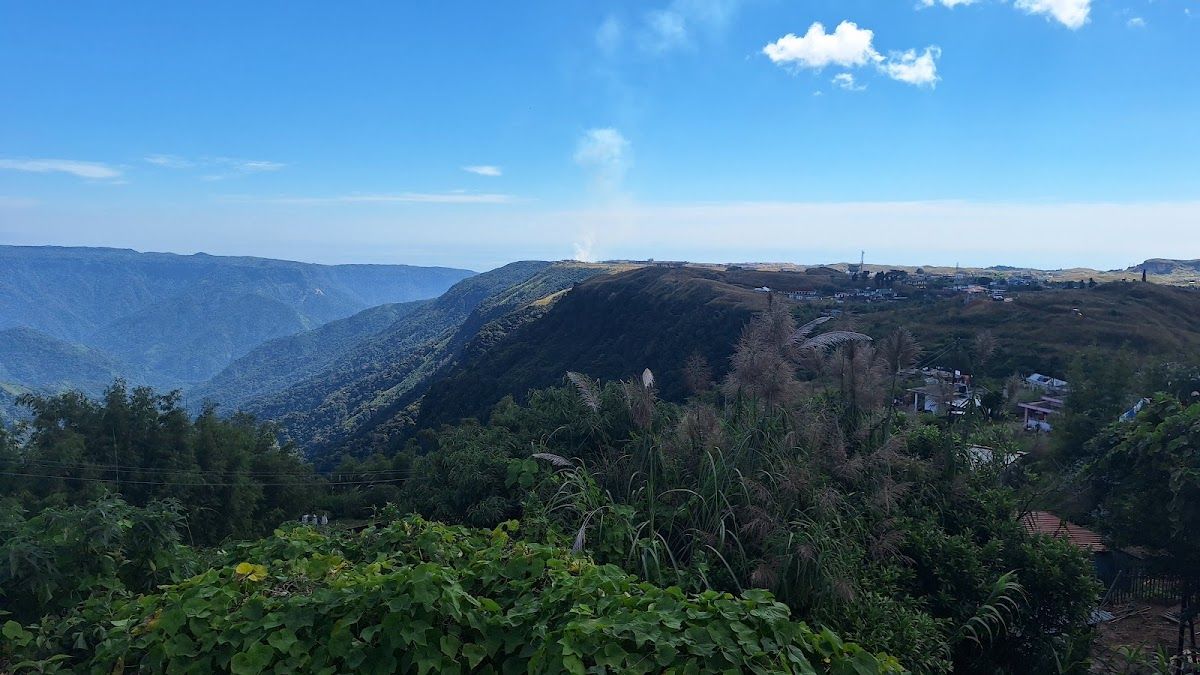
The weather in Cherrapunji shapes the experience. October to April offers clear skies, pleasant weather, and good visibility for the waterfalls and valley views. This is the best time for trekking.
June through September is the monsoon, when Cherrapunji receives some of the highest rainfall on Earth. The waterfalls are at their most powerful and the landscape is intensely green. However, trails can be muddy and slippery, and viewpoints are often covered in thick fog.