Ganga Trails Inn, Hot Water & Wi-Fi, UK
4.9· 33 stays
Things to do nearby.
Rishikesh is the gateway to the Garhwal Himalaya. The evening Ganga Aarti is a short drive away, held at Triveni Ghat and Parmarth Niketan. It’s a powerful, atmospheric ritual of fire and faith on the riverbank.
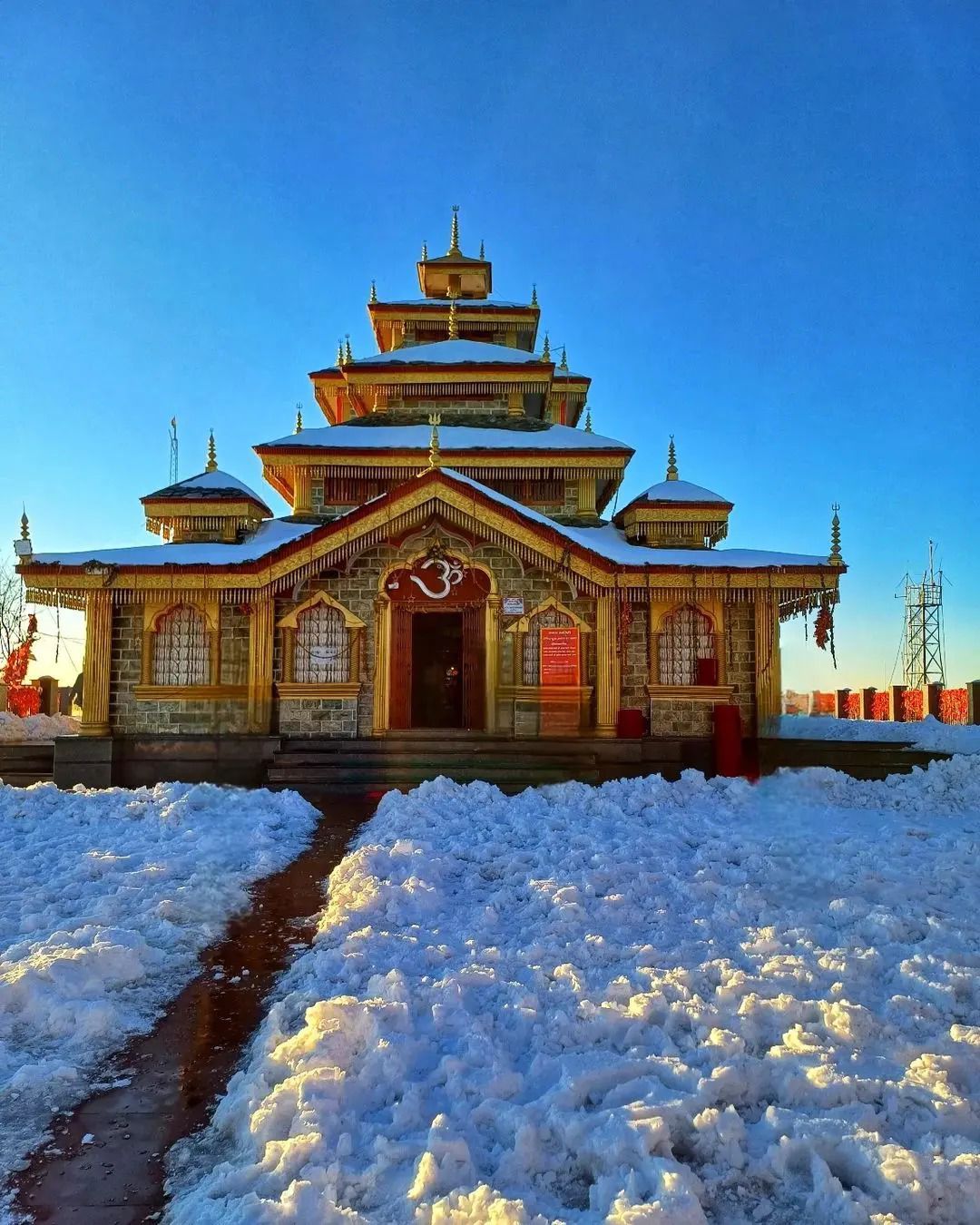
For trekkers, Rishikesh is a starting point for high-altitude journeys. The base for the Tungnath and Chandrashila trek is at Chopta, about a day's drive away. Tungnath is the world's highest Shiva temple, and the summit view from Chandrashila is worth the four-hour climb.
The Valley of Flowers, a UNESCO World Heritage Site, is accessible from the Govindghat trailhead. It's open only during the monsoon, from July to September, when the alpine meadows are covered in hundreds of species of flowers.
Auli, known for its winter skiing from December to March, is a beautiful meadow of oak and rhododendron for the rest of the year. The ropeway up offers wide views of Himalayan peaks.
Jim Corbett National Park, one of India’s premier tiger reserves, is also accessible. The best time to visit for sightings is from October to June, entering through the Ramnagar gate.
Getting there.
By air: The nearest airport is Dehradun’s Jolly Grant Airport (DED), which serves the Garhwal region, including Rishikesh and Mussoorie.
By rail: The closest major railhead is in Haridwar. From there, it’s about an hour’s drive to Rishikesh. Haridwar is well-connected to major Indian cities.
By road: Rishikesh is a major road hub in Uttarakhand. It’s the starting point for the Char Dham Yatra and connects to other destinations like Chopta and Auli.
Best time to visit.
The region is accessible year-round, but the best weather is from March to June, when the skies are clear and the weather is pleasant. A second window opens up post-monsoon, from September to November. The monsoon months of July and August can bring heavy rains and landslides, making road travel unpredictable. Higher altitude destinations like Auli and Chopta are often closed by heavy snow from December to February.