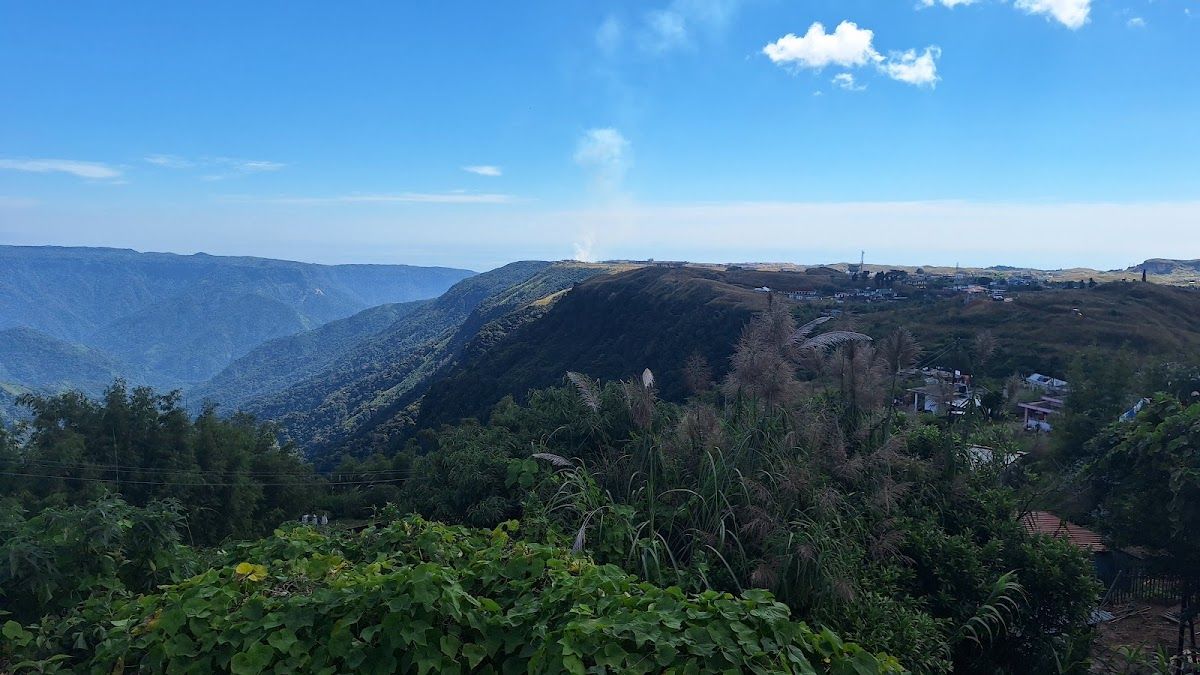
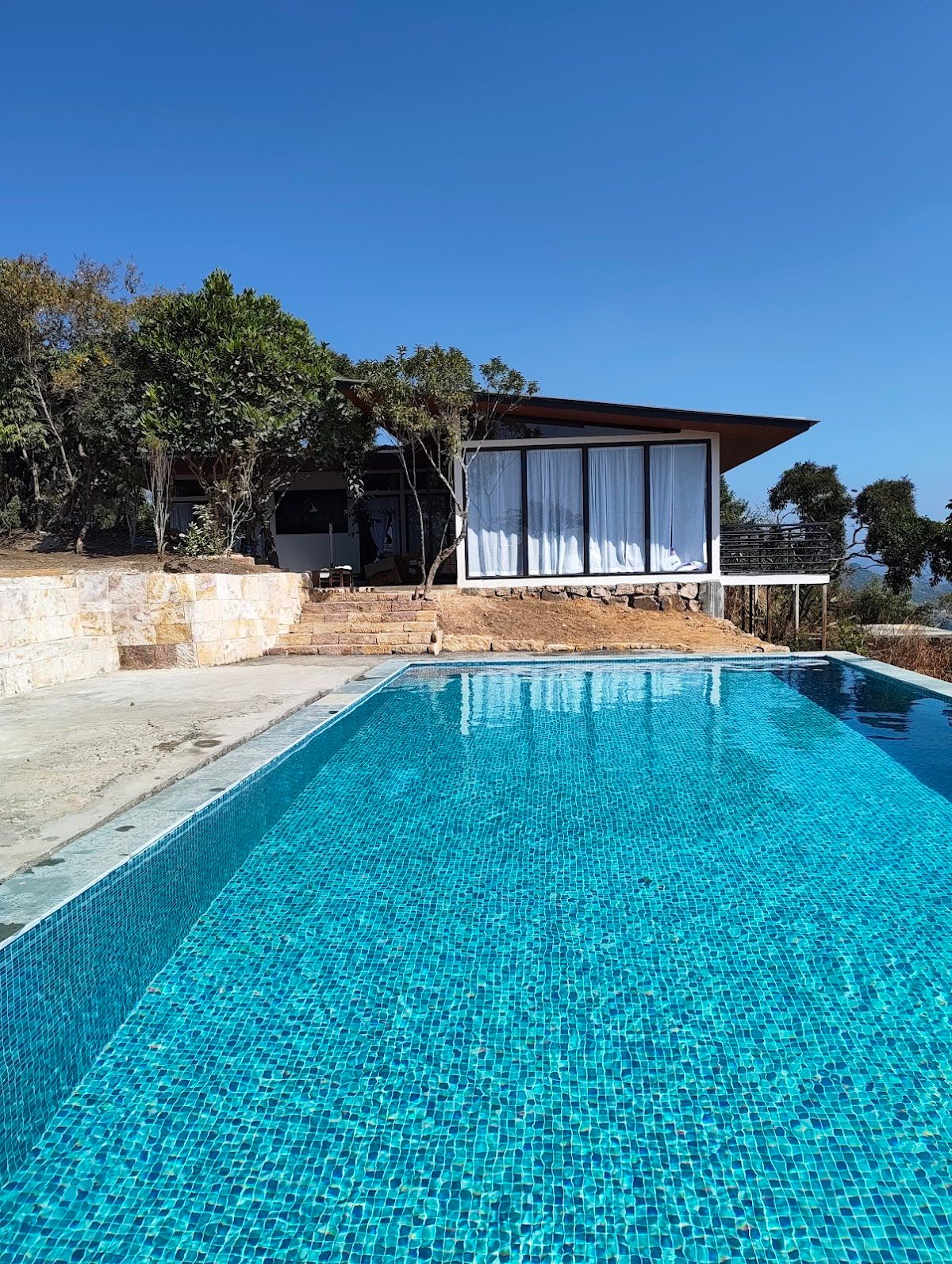
Mountain view house in Cherrapunji, Meghalaya
4.3· 1368 stays
Things to do nearby.
The Umkar living root bridge sits nearby, offering an accessible alternative to longer treks. Reached via just 5 flights of stone stairs, it provides a close look at living root architecture without the intense climb required by deeper valley bridges.
The Nongriat double-decker living root bridge requires a steep 3,500-step descent into the jungle canopy. Plan for a full day trek, wear sturdy footwear, and carry adequate drinking water for the return climb.
Mawsmai and Krem Phyllut caves showcase the region's extensive subterranean limestone networks. Walk through illuminated natural stone passages with guided routes suitable for standard day visits.
Nohkalikai Falls drops 340 meters straight down a vertical cliff face, making it India's tallest plunge waterfall. Viewpoints along the plateau rim offer wide sights of the drop, especially active during and right after the monsoon months.
Mawlynnong village sits roughly two hours away, known for paved stone pathways, clean gardens, and the nearby Riwai sky walk built high in the tree canopy.
The Umngot River at Dawki is located 95 km away near the Bangladesh border. Between January and March, the river water clears up to reveal transparent emerald depths over smooth riverbed stones.
Getting there.
Guwahati Airport (GAU) sits 100 km away and serves as the primary air gateway, with a three-hour drive up into the hills toward Shillong and Cherrapunji.
Guwahati Railway Station is 100 km distant, providing the main rail hub for travelers arriving in Meghalaya before taking a mountain taxi up the highway.
Shillong Airport (SHL) at Umroi is located 30 km from Shillong city, operating select regional flights primarily connecting through Kolkata.
Shillong city center serves as the main transit hub for the region, located 53 km from Cherrapunji along a winding two-hour hill drive.
Best time to visit.
October through April brings clear skies, crisp mountain air, and comfortable temperatures for outdoor trekking. This dry season offers clear valley views and reliable conditions for cave walks and root bridge descents.
June through September marks the heavy monsoon season, bringing over 10,000 mm of rain to the plateau. While heavy downpours can temporarily shut certain cave entries, the surrounding valley walls fill with temporary waterfalls and dense green foliage across the landscape.