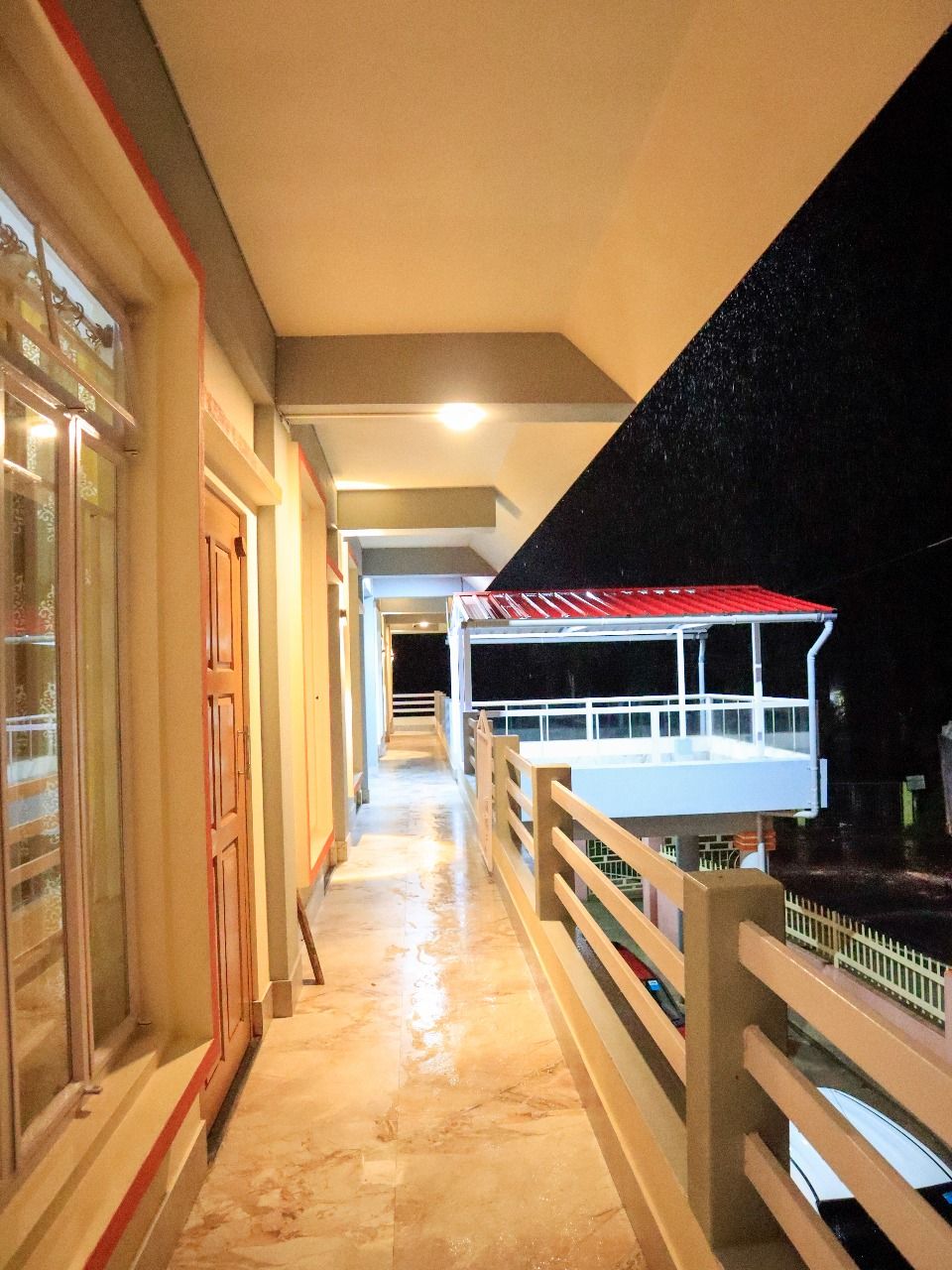
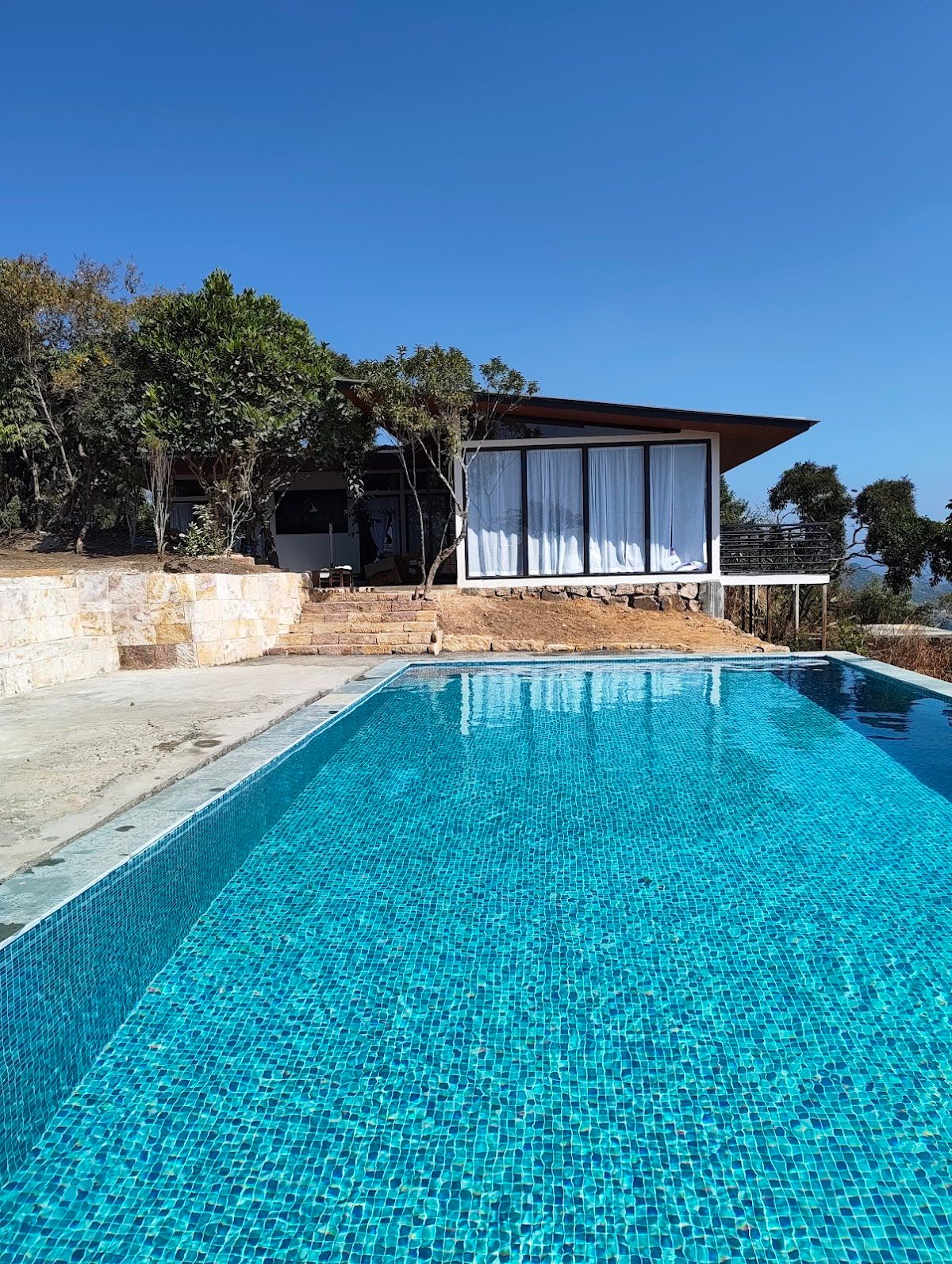
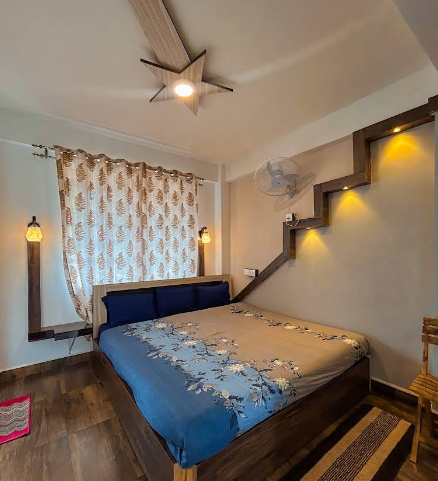
Sunrise view homestay in Cherrapunjee, Meghalaya
4.8· 48 stays
Things to do nearby.
The home is a good starting point for the main sights around Cherrapunji (Sohra). The host can help arrange a car or guide you himself.
Nongriat's living root bridges are a worth seeing. The famous double-decker bridge requires a descent of about 3,500 stone steps into the valley. It's a challenging but rewarding trek, so wear good shoes and start early.
The caves around Cherrapunji, like Mawsmai and Krem Phyllut, offer a look into the region's limestone formations. Mawsmai is lit and more accessible, while others are wilder and require a guide.
Nohkalikai Falls, India's tallest plunge waterfall, is a short drive away. The viewpoint offers a direct look at the 340-metre drop. The flow is most powerful during the monsoon months.
A day trip to Dawki and Mawlynnong is popular. In Dawki, the Umngot river runs so clear from January to March that boats seem to float on air. Nearby, Mawlynnong is known as 'Asia's cleanest village', with a sky walk made of bamboo offering views over the plains.
Getting there.
The main entry point to Meghalaya is Guwahati in Assam.
By Air: Lokpriya Gopinath Bordoloi International Airport (GAU) in Guwahati is the nearest major airport, about 150km from Cherrapunji. From there, it's a 4-5 hour taxi ride. Shillong Airport (SHL) is closer but has limited flights, mostly from Kolkata.
By Rail: The nearest major railway station is in Guwahati. From the station, you can hire a taxi for the journey up to Cherrapunji. There is no rail connectivity within Meghalaya.
By Road: Cherrapunji, also known as Sohra, is 53 km from Shillong, the state capital. The drive from Shillong takes about two hours on winding hill roads. Shared taxis and private cabs are available from Shillong's Anjali Taxi Stand.
Best time to visit.
The best months to visit are from October to April, when the skies are clearer and the weather is dry and pleasant. This is the ideal time for trekking to the root bridges and exploring caves.
The monsoon season, from June to September, is a different experience. Cherrapunji receives some of the highest rainfall in the world. The landscape becomes intensely green, waterfalls are at their peak, and clouds fill the valleys. However, heavy rain can sometimes close roads or make trails slippery.