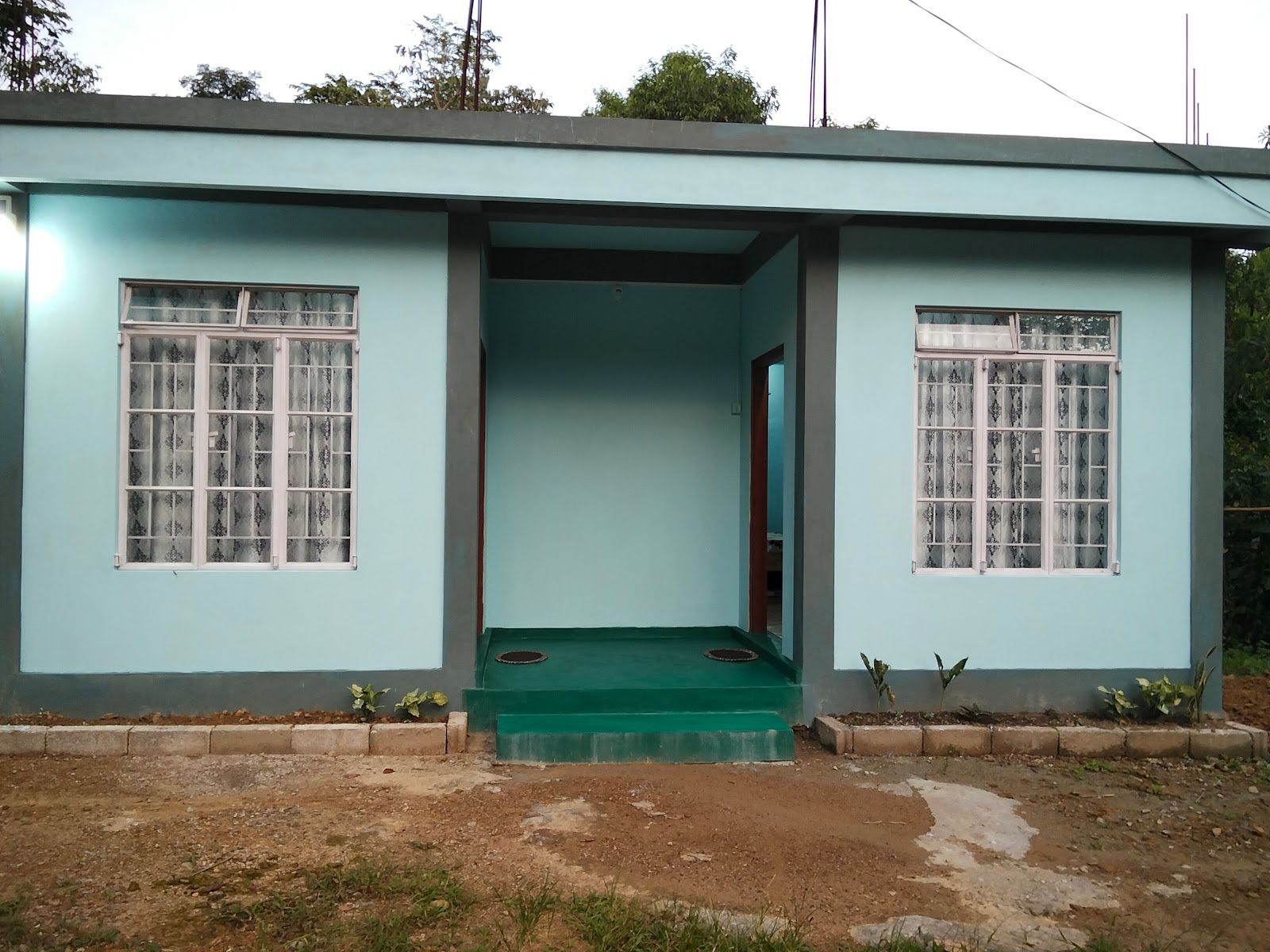
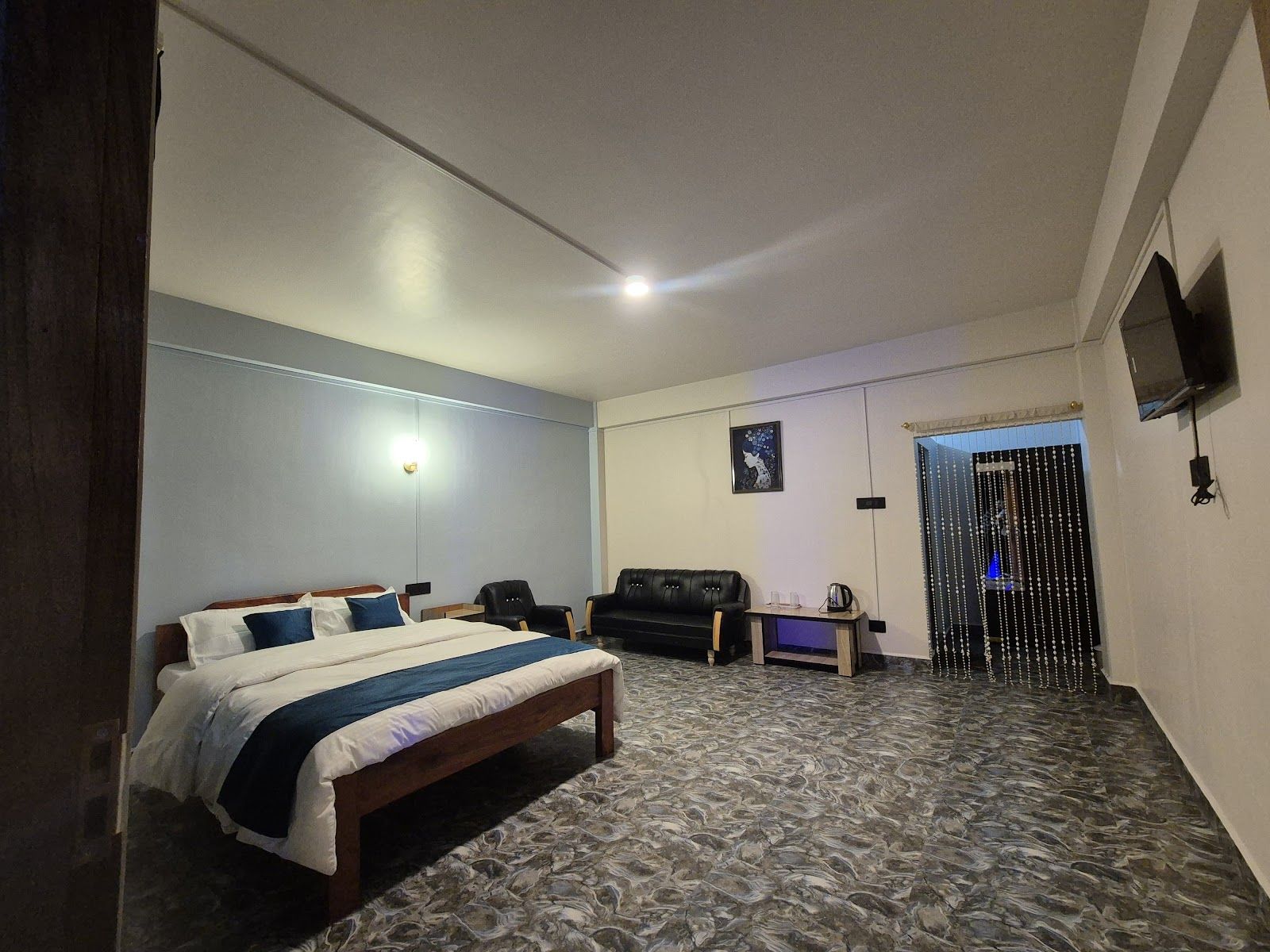
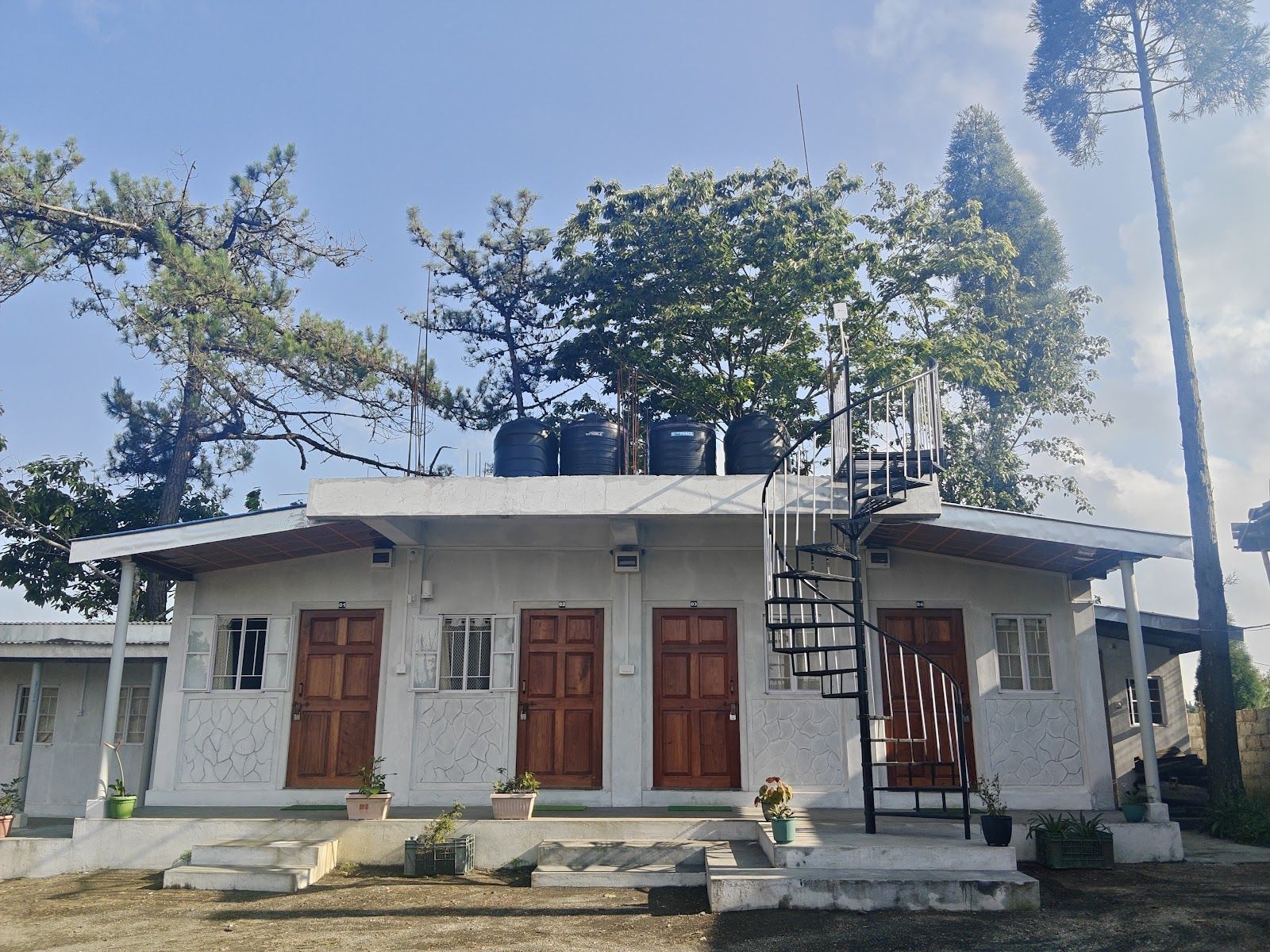
A-frame homestay in Shillong with hill views

4.3· 9 stays
Things to do nearby.
The home is a good starting point for exploring Shillong and the surrounding Khasi Hills. In the city itself, you can visit Ward's Lake, a 19th-century lake where you can go for a walk among the rhododendrons or take out a paddle boat. Nearby is the Cathedral of Mary Help of Christians, a prominent blue church from 1936, and Lady Hydari Park, a small city park and zoo. For a deep dive into the region's culture, the Don Bosco Museum of Indigenous Cultures has seven floors of exhibits on the tribes of Northeast India.
For views, Shillong Peak is the highest point in the area at 1,965 metres, offering a wide look over the valley on a clear day. A short drive out of town, Elephant Falls is a popular three-tiered waterfall. For more dramatic landscapes, Laitlum Canyons, about 25km away, lives up to its name as 'the end of the hills' with its ridge-top views. A guided walk through the Mawphlang Sacred Grove, a protected Khasi forest, is about 25km from the city and offers a look into local traditions.
Getting there.
By Air: The nearest airport is Shillong Airport (SHL) at Umroi, about 30km away. It has limited flights, mostly connecting through Kolkata, and operations can be affected by weather. The more common and reliable option is Lokpriya Gopinath Bordoloi International Airport (GAU) in Guwahati, Assam, which is 100km away. The drive from Guwahati to Shillong takes about three hours on NH6.
By Rail: Meghalaya has no rail network. The nearest major railway station is in Guwahati, 100km away. From there, you can hire a taxi or take a shared cab to Shillong.
By Road: Shillong is well-connected by road. The drive from Guwahati is scenic, passing Umiam Lake (Barapani) about 17km before the city, a popular stop for the views. Police Bazar is the central hub of Shillong, from where you can plan trips to Cherrapunji (Sohra), a 2-hour drive, or Dawki on the Bangladesh border.
Best time to visit.
The best time for clear skies and pleasant weather is from October to April. During these months, the views are sharp and the climate is ideal for sightseeing. The monsoon season, from June to September, is when Meghalaya receives its famous, heavy rainfall. The landscape turns a deep green and the waterfalls are at their fullest. While some smaller roads or sights might be closed, experiencing the Khasi rain is an experience in itself.