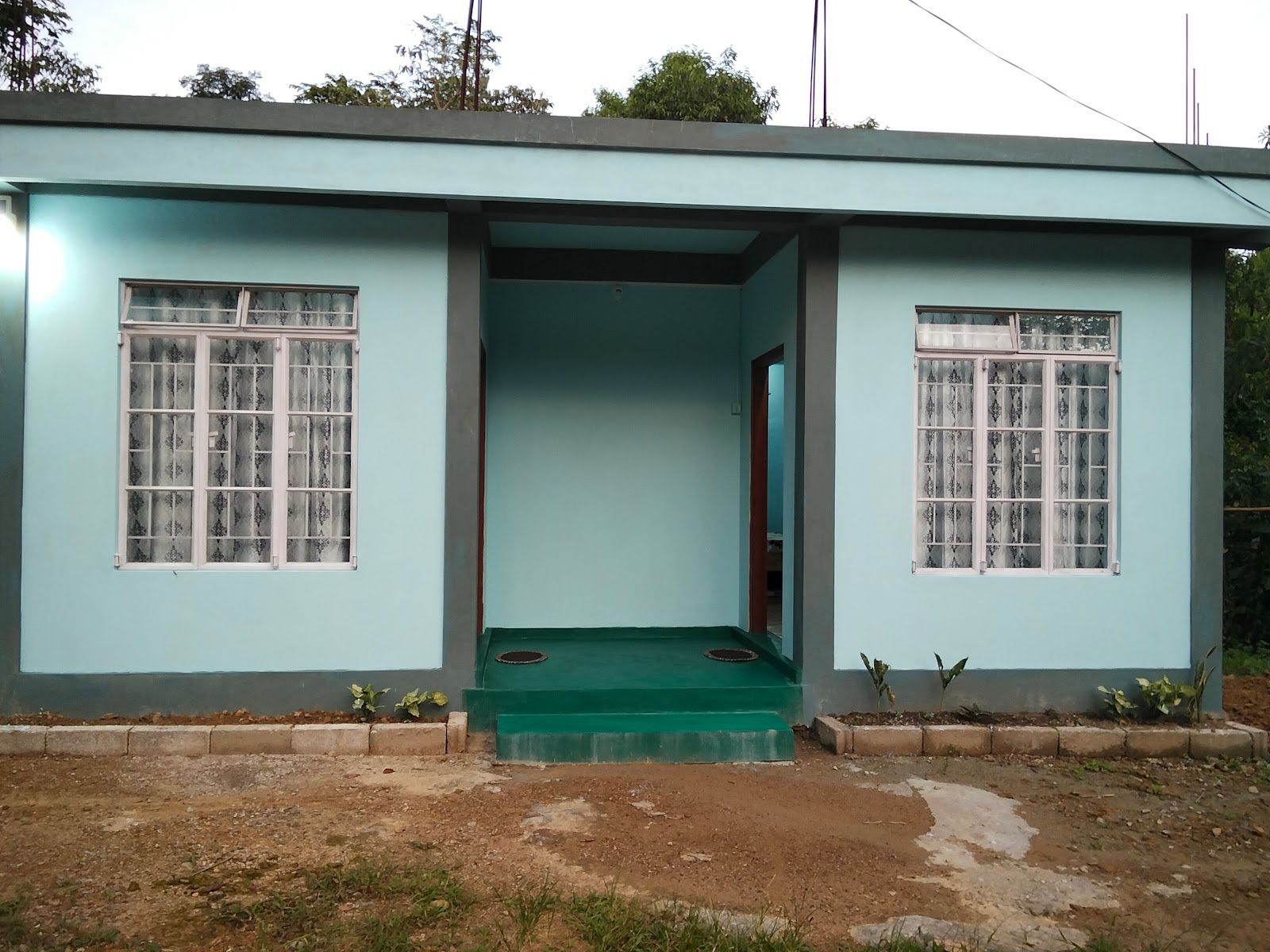
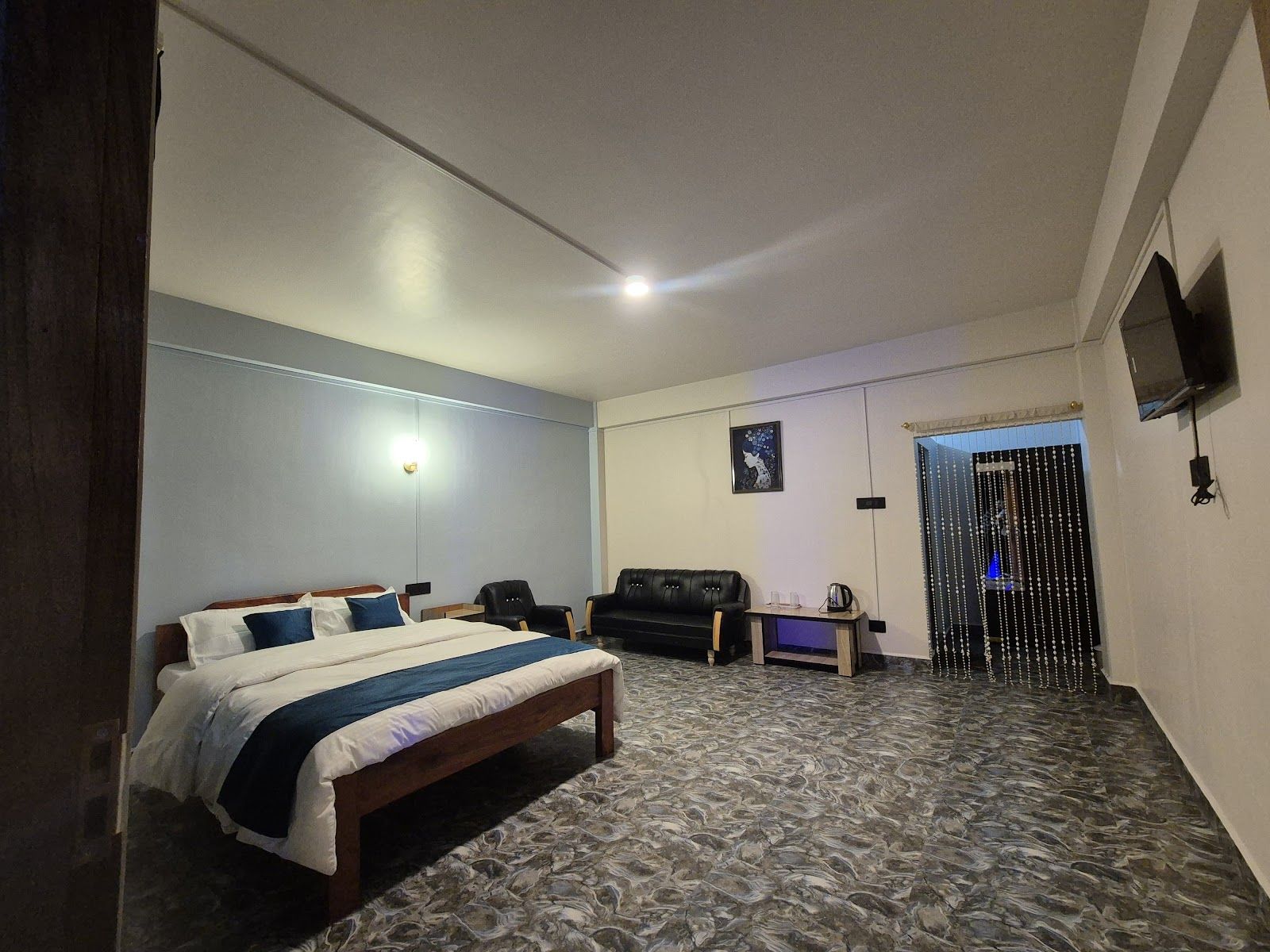
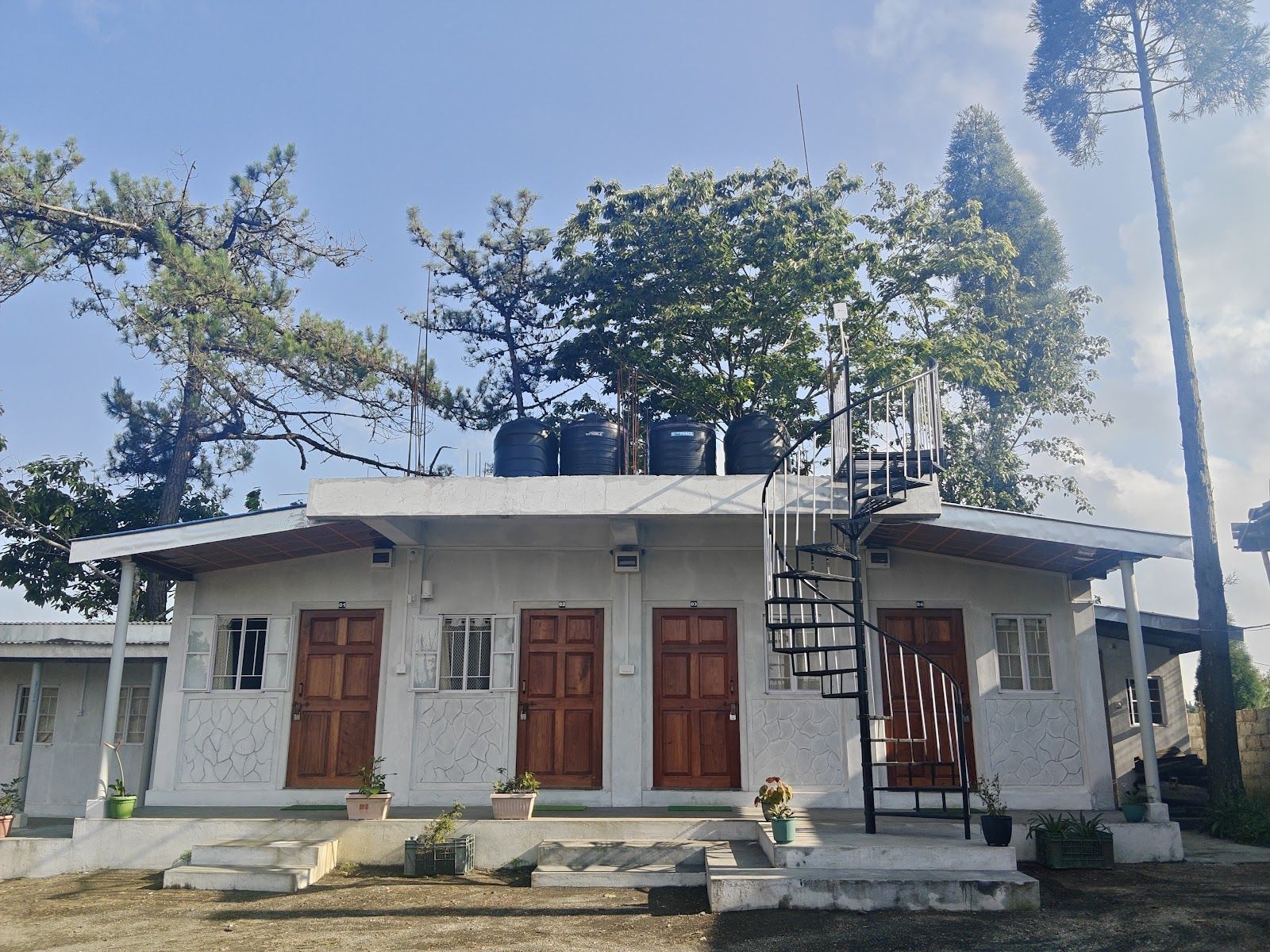
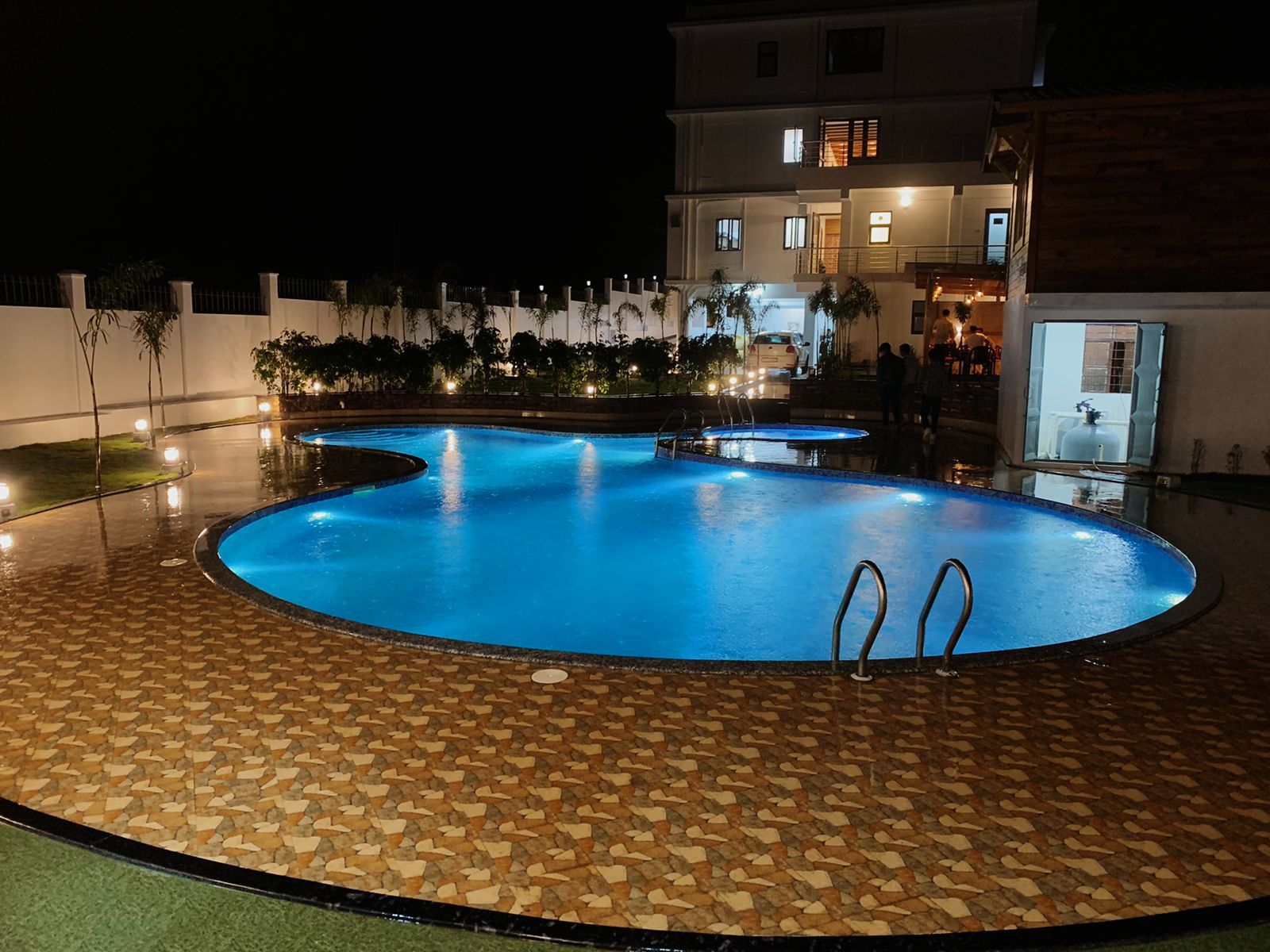
Jowai house with valley views and a pool
4.4· 157 stays
Things to do nearby.
Jowai is a good base for exploring the Jaintia Hills and the wider wonders of Meghalaya. The region is famous for its natural formations, and most are accessible as day trips.
The living root bridges are a worth seeing. The most famous, the double-decker bridge in Nongriat, requires a descent of over 3,500 steps but is an incredible sight. Closer to Cherrapunji, you can explore the Mawsmai and Krem Phyllut caves, which are well-lit and accessible.
A drive towards the Bangladesh border takes you to Dawki, where the Umngot river runs so clear in the winter months (January to March) that boats seem to float on air. Nearby is Mawlynnong, often called Asia’s cleanest village, with its sky walk made of bamboo. And of course, there is Nohkalikai Falls, India's tallest plunge waterfall, which is at its most powerful during the monsoon.
Getting there.
The main entry point to Meghalaya is Guwahati in Assam. Lokpriya Gopinath Bordoloi International Airport (GAU) in Guwahati is well-connected to major Indian cities and is about a 3-4 hour drive from the region's main hubs. Guwahati also has the nearest major railway station.
A smaller airport exists at Umroi, near Shillong (SHL), about 30km from the state capital, but it has limited flight connectivity, mostly from Kolkata.
From Shillong, Jowai is a drive of about 2-3 hours. The roads throughout the Khasi and Jaintia Hills are winding and scenic.
Best time to visit.
The best time for clear skies and pleasant weather is from October to April. The days are warm and the nights are cool. This is the ideal season for trekking to the root bridges and for the clear waters at Dawki.
The monsoon, from June to September, is a different experience altogether. The region receives some of the highest rainfall in the world. The landscape turns a brilliant, lush green, and the waterfalls are thunderous. However, some caves and trails may be closed, and the rain can be relentless.