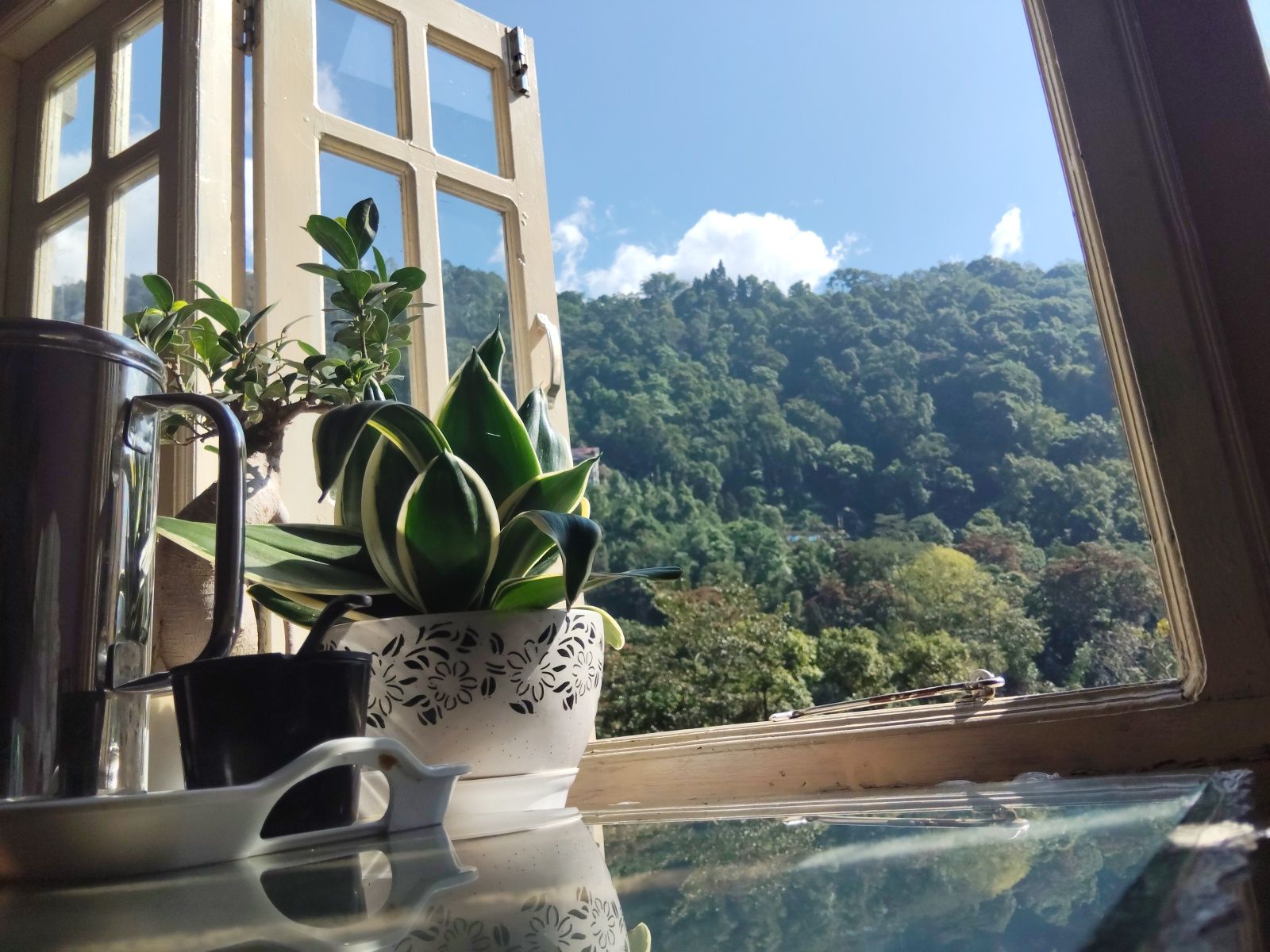
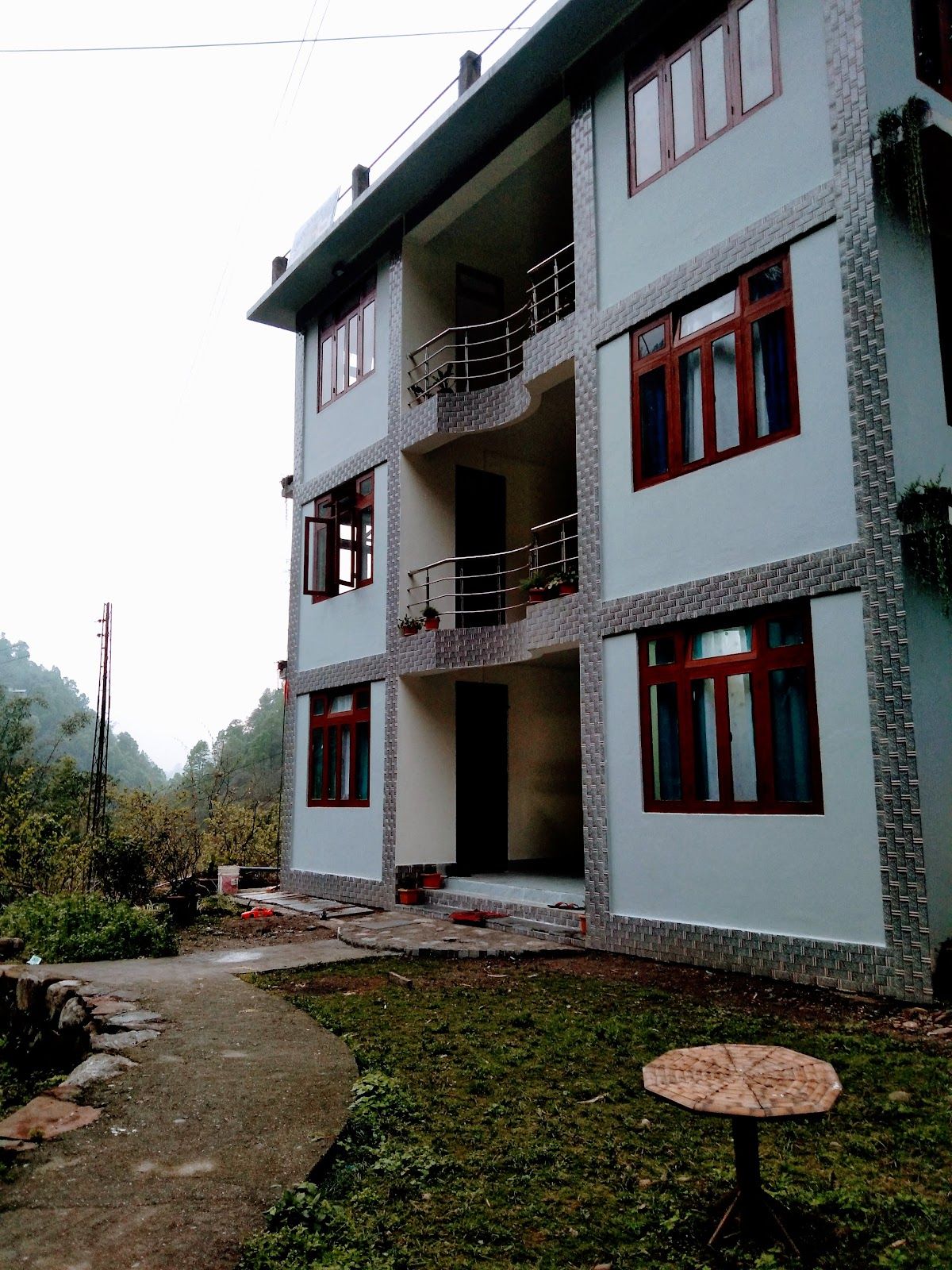
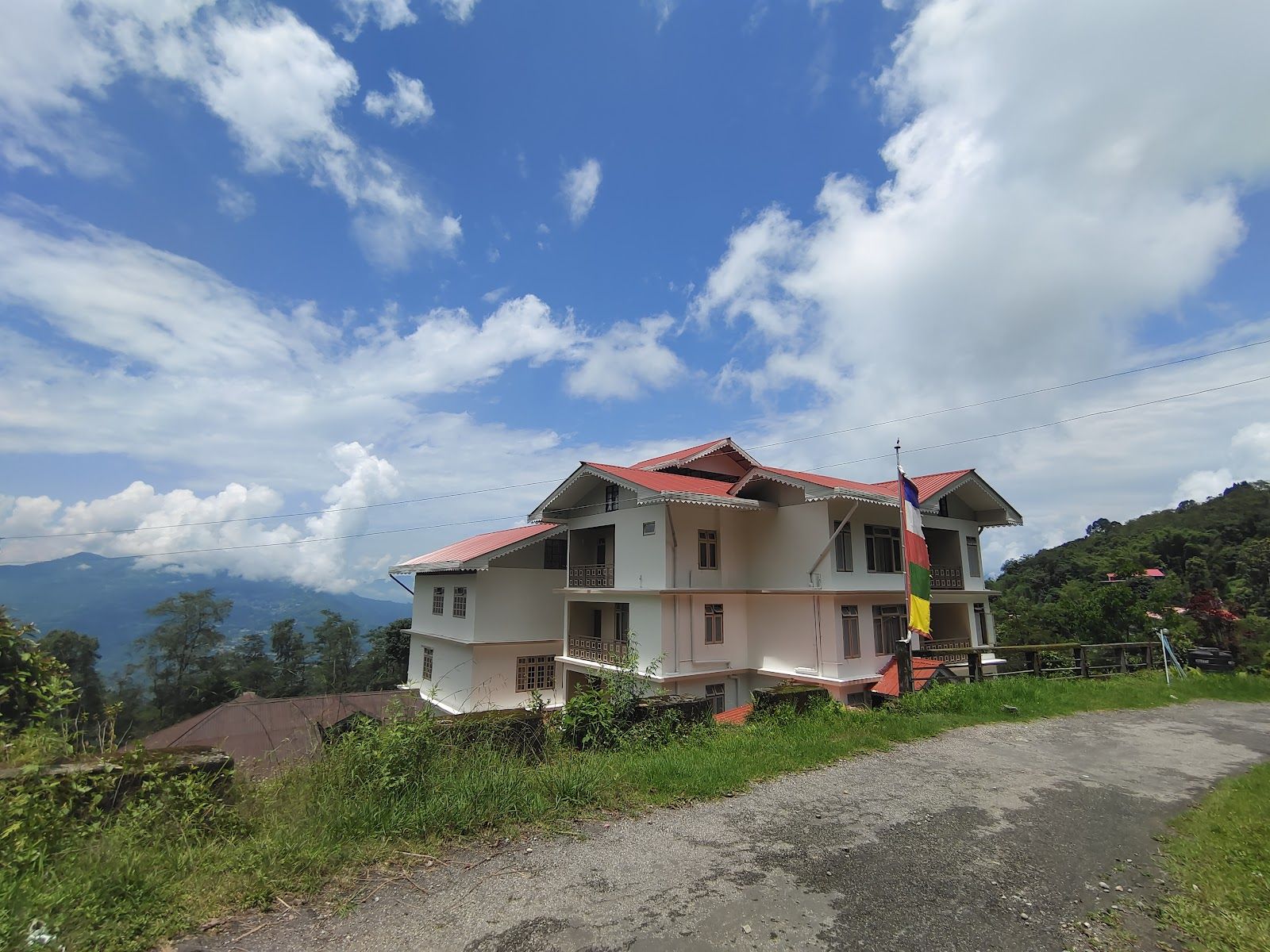
House on the Silk Route, Sikkim. Local food.
4.4· 105 stays
Things to do nearby.
This home is a stop on the historic Silk Route itself, a journey through high-altitude passes and remote villages. From Gangtok, the state capital and the main hub for arranging travel, several key Sikkimese sights are accessible.
Tsomgo Lake, also known as Changu Lake, is about 40 km from Gangtok. It's a glacial lake that sits at over 12,000 feet and often freezes solid in the winter. You will need a Restricted Area Permit (RAP) to visit, which can be arranged by travel agents in Gangtok.
Rumtek Monastery, 24 km from Gangtok, is one of the most important monasteries in Tibetan Buddhism. It's the seat of the Karmapa Lama and a large, active monastic complex. The prayer halls have intricate murals and thangkas.
For those venturing further, the journey can lead to the high passes of the Silk Route, or towards other parts of Sikkim like Pelling in the west, known for its views of Kanchenjunga and its ancient monasteries like Pemayangtse and Sanga Choeling.
Getting there.
The most reliable way to reach Sikkim is by air to Bagdogra Airport (IXB) in West Bengal, which is about 124 km away. From there, it's a 4 to 5-hour drive by hired car to Gangtok, and then further on to the Silk Route. The newer Pakyong Airport (PYG) is much closer to Gangtok (30 km), but flights are often cancelled or diverted due to weather.
The nearest major railway station is New Jalpaiguri (NJP), located near Siliguri, about 122 km away. It has good connectivity to major Indian cities. From NJP, you will need to hire a taxi for the road journey into Sikkim.
Best time to visit.
The best time for clear mountain views is from October to mid-December. The skies are crisp and the high peaks are often visible. Another popular season is from March to May, when the rhododendrons and other wildflowers are in full bloom across the state, adding colour to the hillsides.
The monsoon months, from June to September, see heavy rainfall. This can cause landslides, and road closures are common, especially in North Sikkim and on remote routes like this one.