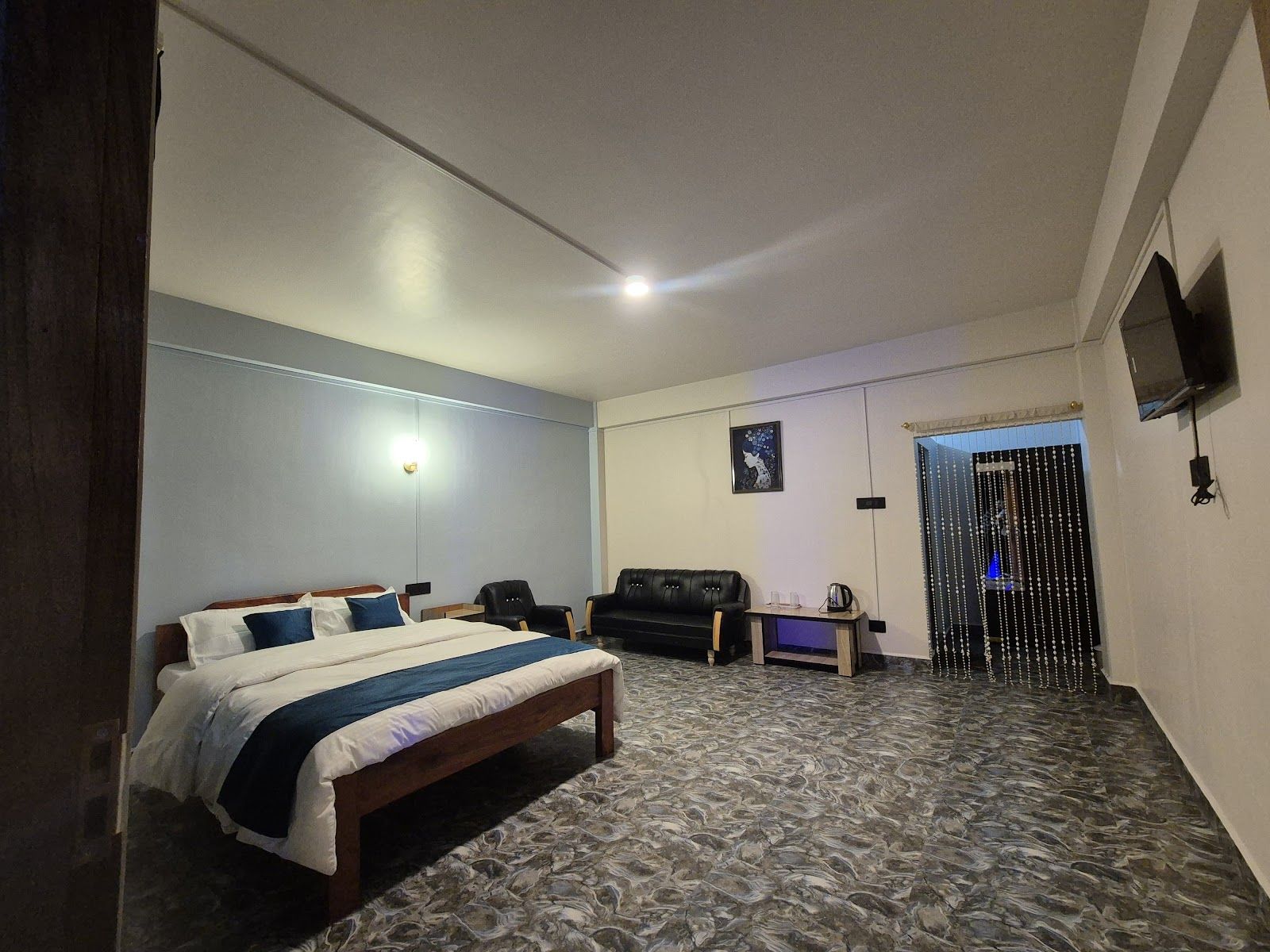
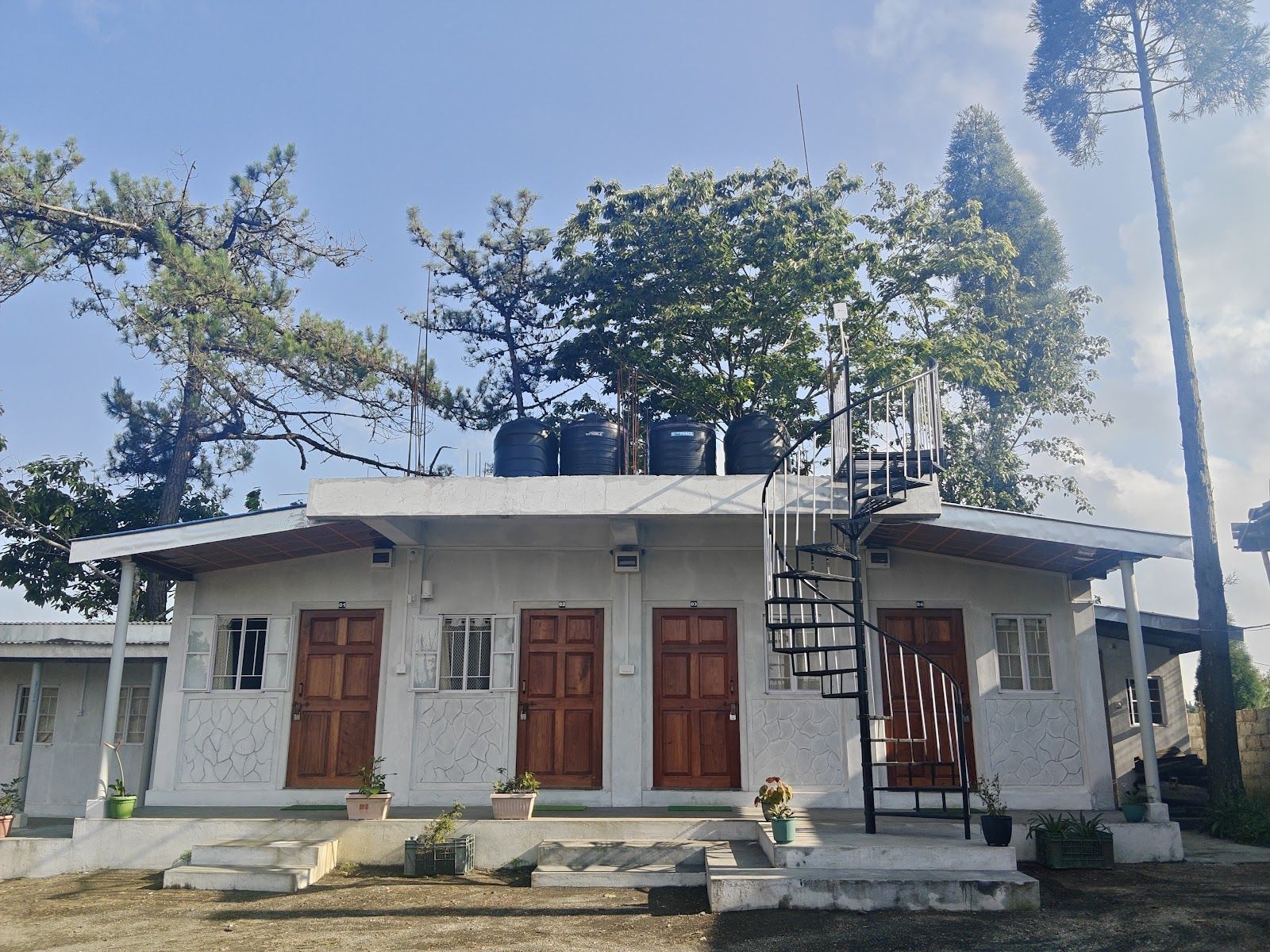
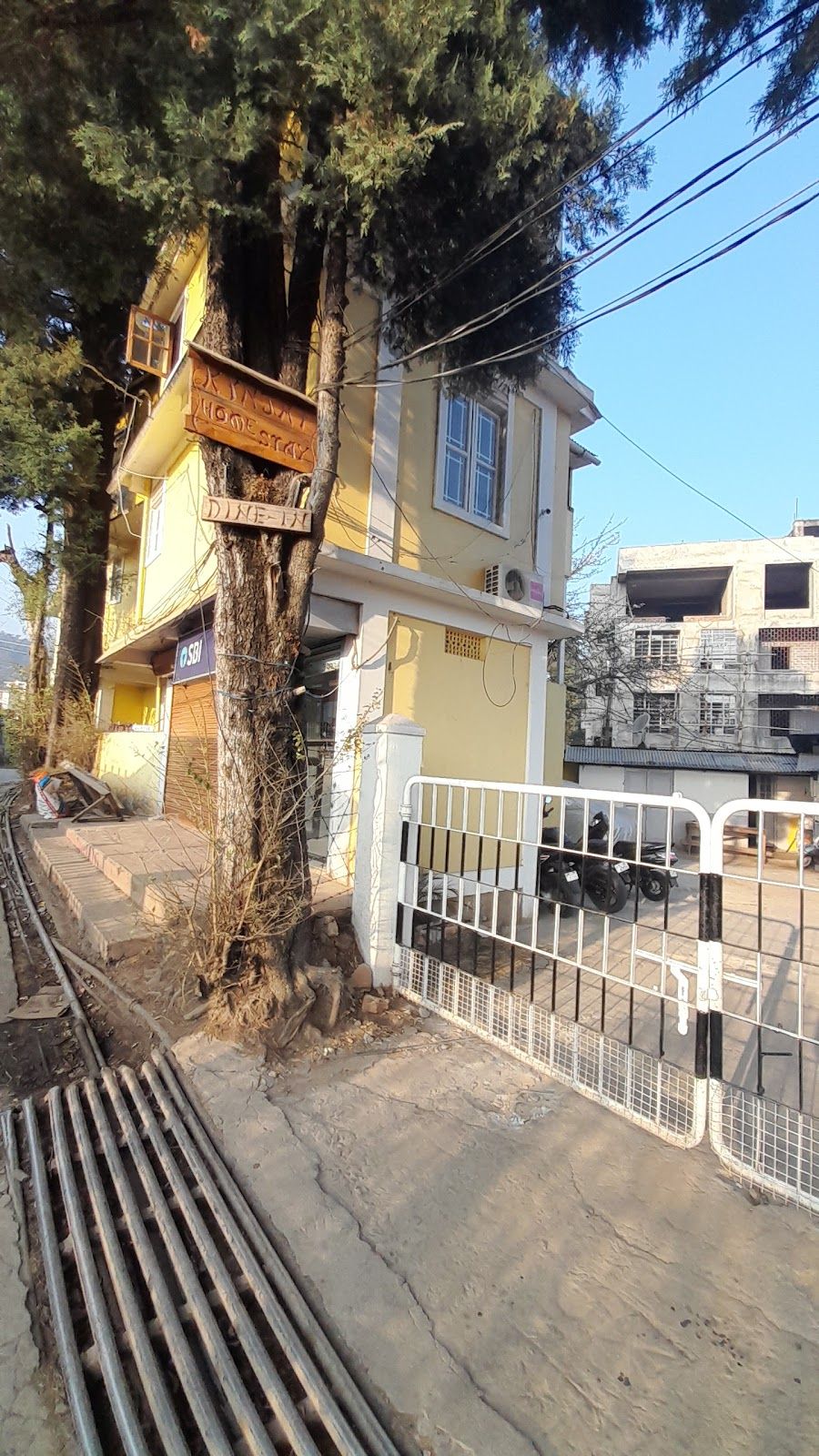
A Shillong lodge with mountain views, Meghalaya
4.4· 181 stays
Things to do nearby.
Shillong is a good base for exploring the East Khasi Hills. In the city itself, Ward's Lake is a 19th-century landmark with paddle boats and a walking path surrounded by rhododendrons. A short drive away in Mawlai, the Don Bosco Museum of Indigenous Cultures offers a deep dive into the region's tribes across seven floors. For a quick trip out of town, Elephant Falls is a three-tier waterfall just 12km away, easily done in half a day.
For wider views, drive to Shillong Peak, the highest point in the area at 1,965m, for a full valley panorama on a clear day. Laitlum Canyons, about 25km east, offers dramatic ridge views at what feels like the 'end of the hills'. For a different kind of quiet, the Mawphlang Sacred Grove is a protected Khasi forest 25km southwest, best explored with a local guide who can share its stories. Back in town, the Cathedral of Mary Help of Christians is a notable Gothic church dating back to 1936, and Lady Hydari Park offers a quick city stop with its small zoo, just 1km from Police Bazar.
Getting there.
By air: The nearest airport is Shillong Airport (SHL) at Umroi, 30km away. It has limited flights, mostly connecting through Kolkata, and operations can be weather-dependent. The more common arrival point is Lokpriya Gopinath Bordoloi International Airport in Guwahati (GAU), Assam, which is 100km away. The drive from Guwahati to Shillong takes about three hours on NH6.
By rail: Meghalaya has no rail lines. The nearest major railway station is in Guwahati, 100km from Shillong. From there, you can hire a taxi or take a shared Sumo for the journey up to the hills.
By road: Shillong is well-connected by road. The central hub for transport and the market is Police Bazar. Key points on the routes to major sights include Umiam Lake (Barapani), a reservoir 17km out on the Guwahati road, Cherrapunji (Sohra) at 53km, and Dawki on the Bangladesh border at 95km.
Best time to visit.
The best season for clear skies and valley views is from October to April. The weather is pleasant for walking and day trips. The monsoon arrives from June to September, bringing the famous Khasi rain. While Shillong itself remains mostly accessible, the constant rain can cause some outlying sights to close, and views are often obscured by clouds. This is the time to see the waterfalls at their most powerful.