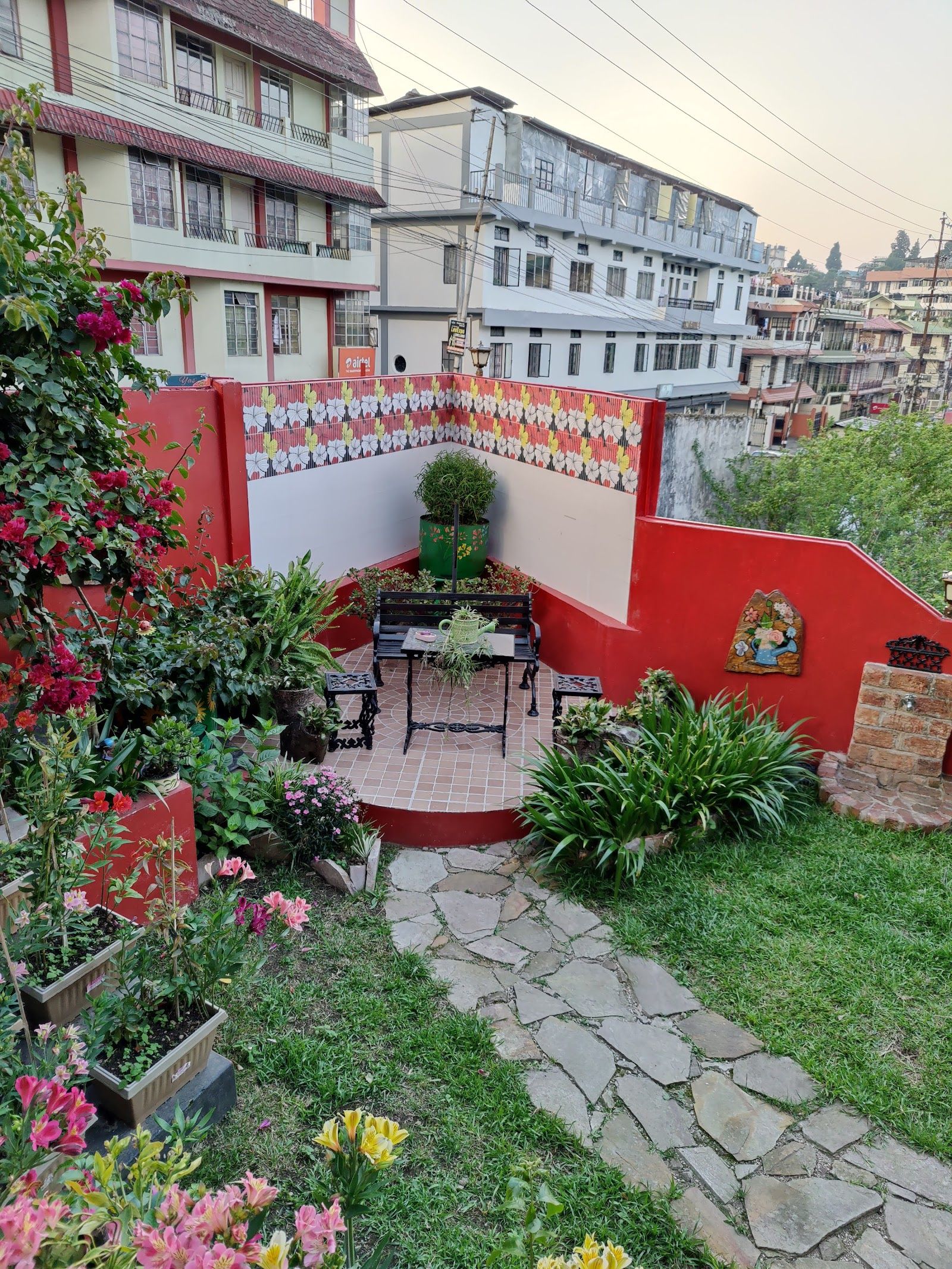
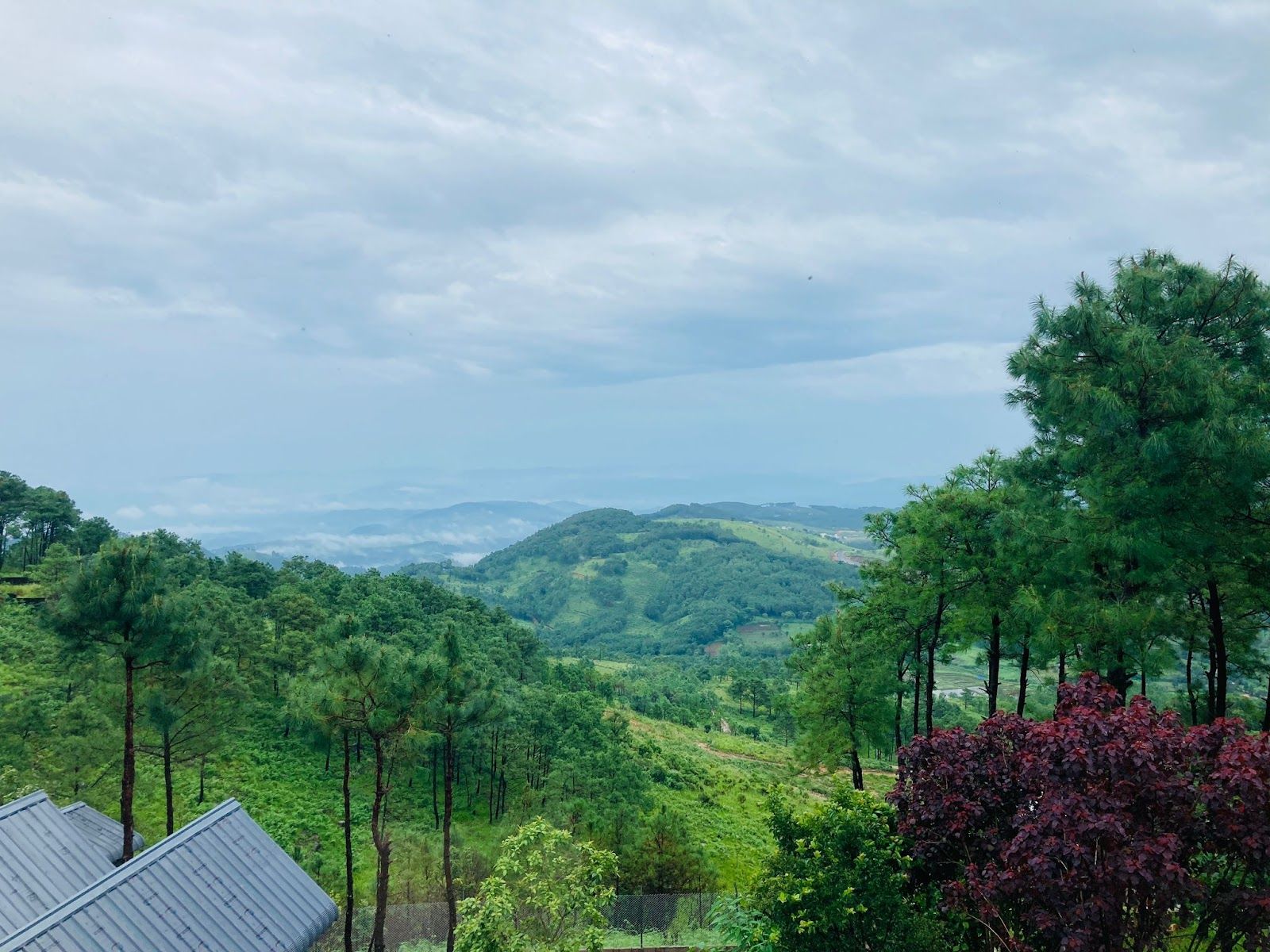
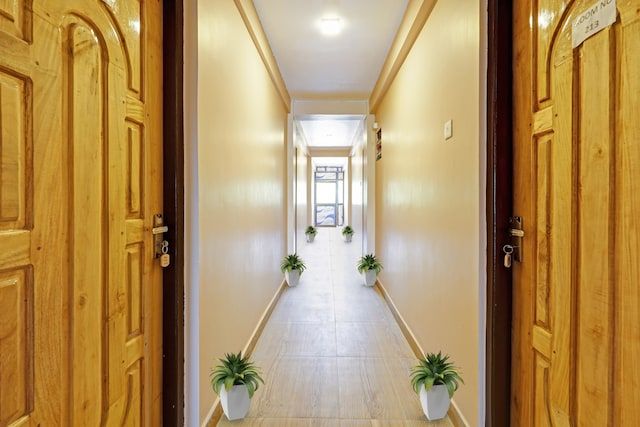
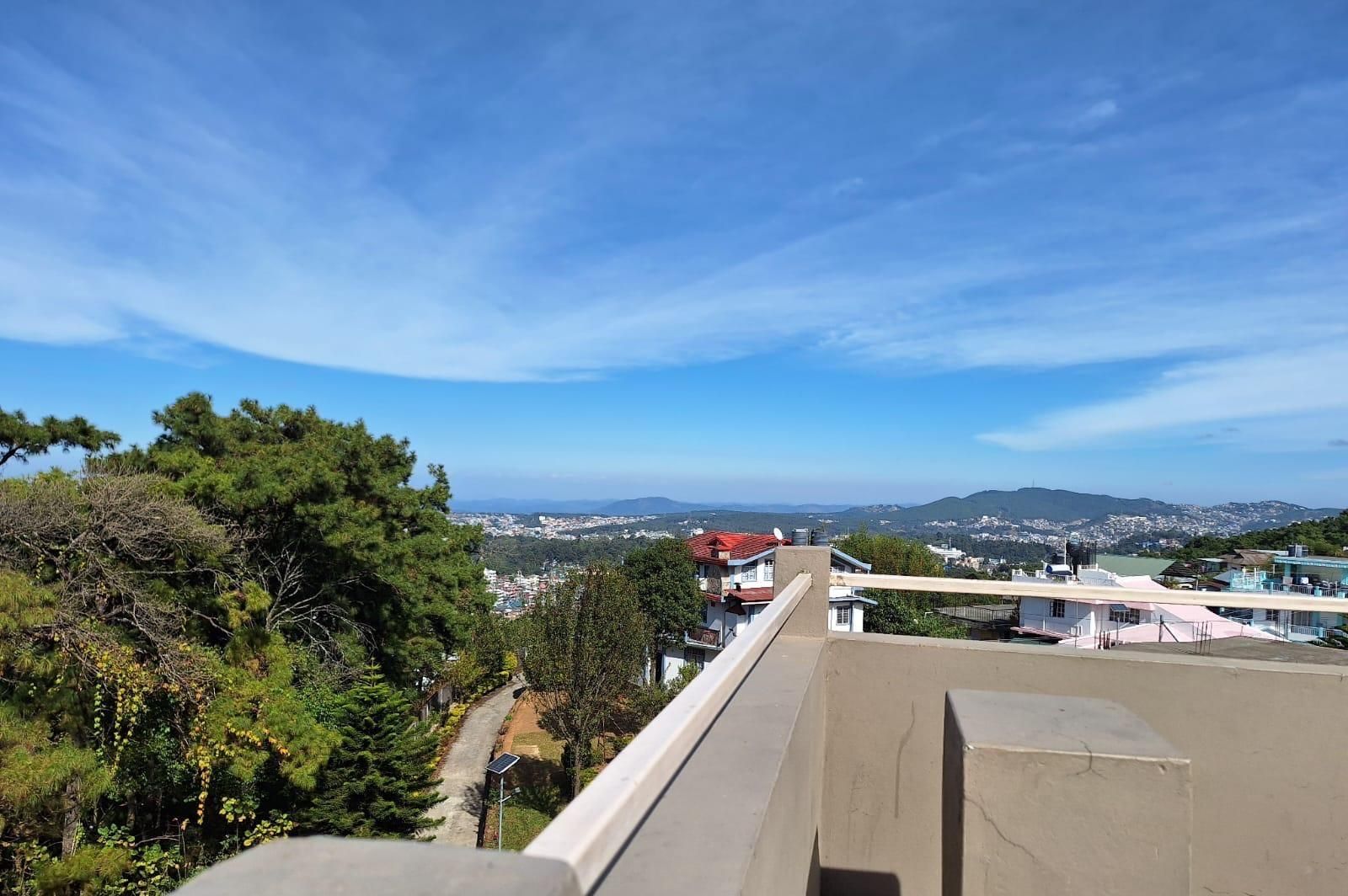
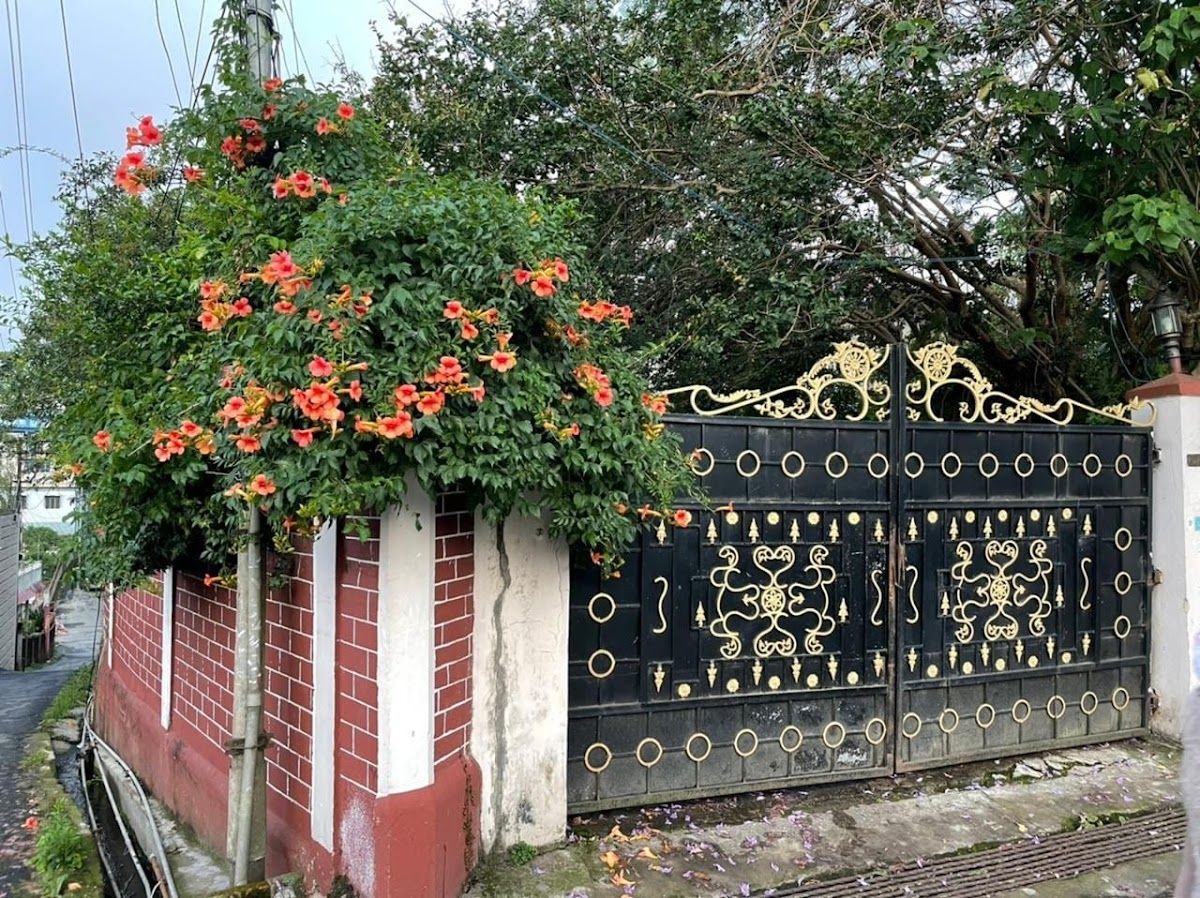
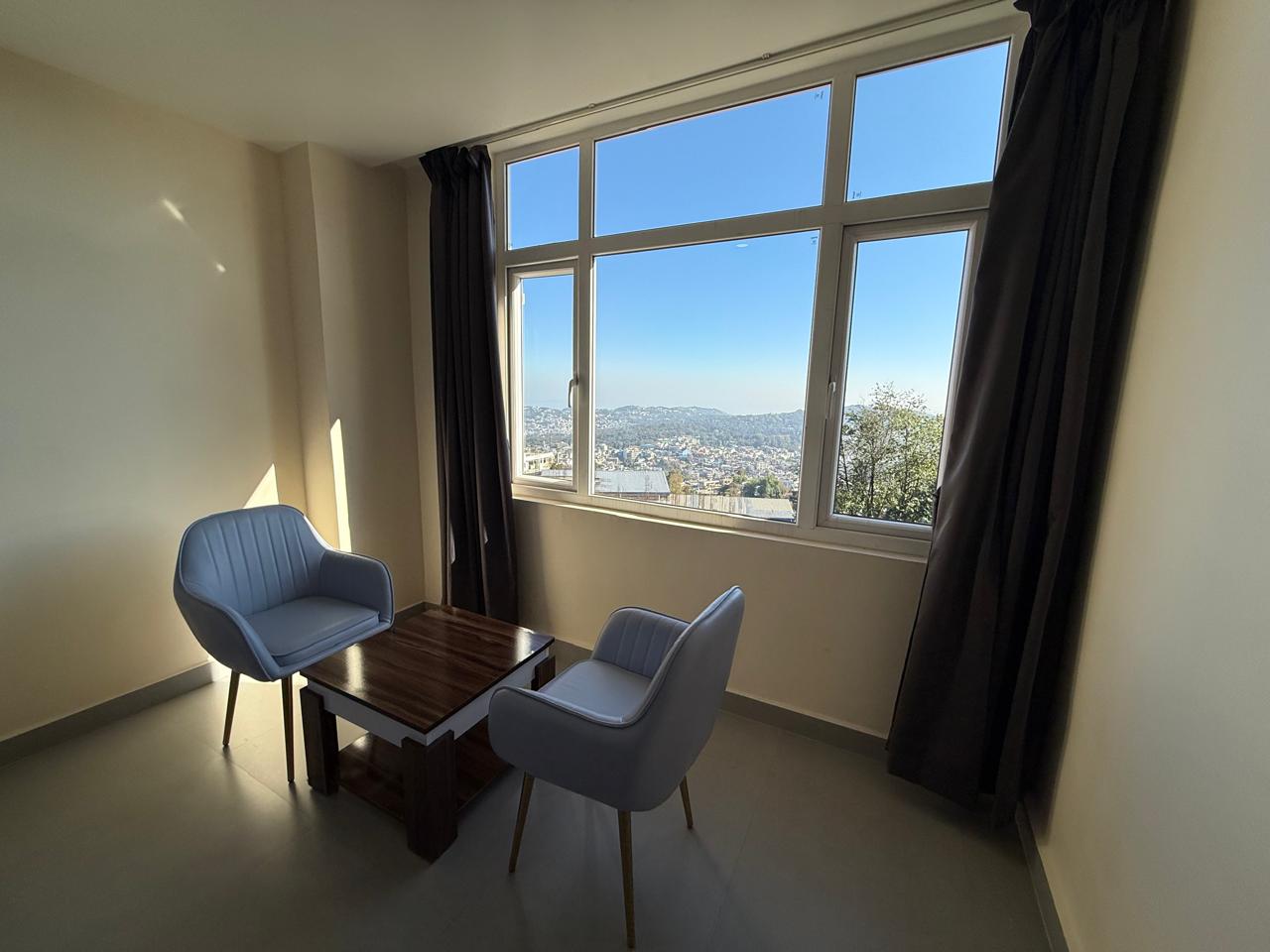
⭐⭐⭐⭐⭐ Wonderful Stay at this property! We had a really pleasant and comfortable stay at this property. The place was clean, peaceful, and had a very welcoming atmosphere.
Diwakar Kumar
The Nongriat double-decker living root bridge is a major draw in the Khasi Hills region. Reaching it requires a steep 3,500-step descent into the valley, making it a demanding but highly rewarding trek through dense forest.
In the Cherrapunji area, the Mawsmai and Krem Phyllut caves offer a chance to walk through natural limestone formations. These cave systems are a standard stop for visitors exploring the hills, showcasing the unique geology of Meghalaya.
The Umngot river at Dawki sits right at the Bangladesh border. The water here runs glass-clear, allowing boats to look as though they are floating in mid-air. The best time to see this transparency is between January and March, before the spring rains stir up the riverbed.
Mawlynnong is widely known as Asia's cleanest village. Visitors walk the swept village paths and often cross the nearby Riwai sky walk, an elevated structure built entirely from bamboo and living roots.
Nohkalikai falls is India's tallest plunge waterfall. The water drops 340 metres straight down the cliff face into a deep green pool below, a sight that defines the dramatic scale of the Meghalaya landscape.
Shillong airport at Umroi is the closest flight hub, 30km from the city. Flights here are limited and mostly route through Kolkata, making it a quieter arrival point.
Guwahati airport is the standard arrival point for most travelers visiting the state. It sits 100km from Shillong, which translates to about a three-hour drive up from the plains of Assam into the cool air of the hills.
The nearest major railhead is also in Guwahati, 100km away. Meghalaya does not have a passenger railway network, so the final leg of the journey up to Shillong must be done by taxi or private car.
Shillong serves as the state capital and the primary road hub for the entire region. From here, driving to Cherrapunji covers 53km on a winding mountain road, taking about two hours. Dawki is a 95km drive from Shillong, leading down through the hills to the river border.
October through April is the prime window for visiting the Khasi and Jaintia Hills. The skies clear up, the weather cools down significantly, and the mountain roads are much easier to navigate without the constant rain.
Monsoon season runs from June through September. Meghalaya receives immense rainfall during this time, often exceeding 10,000mm in a single season. The landscape turns an unmatched, vibrant green, and the waterfalls are at their most powerful. However, the heavy water flow means that some waterfalls and caves shut down for safety, and travel can be slower.