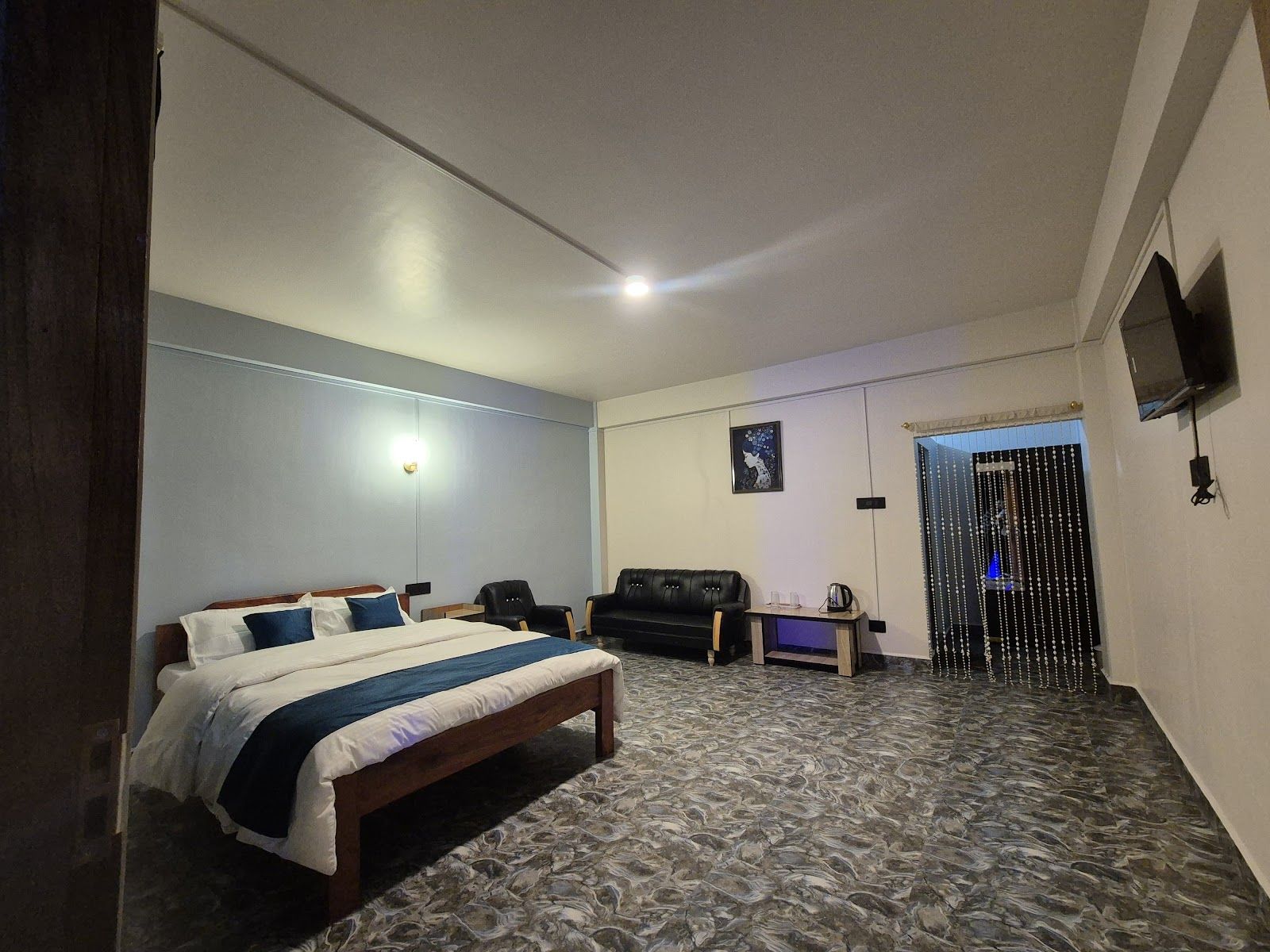
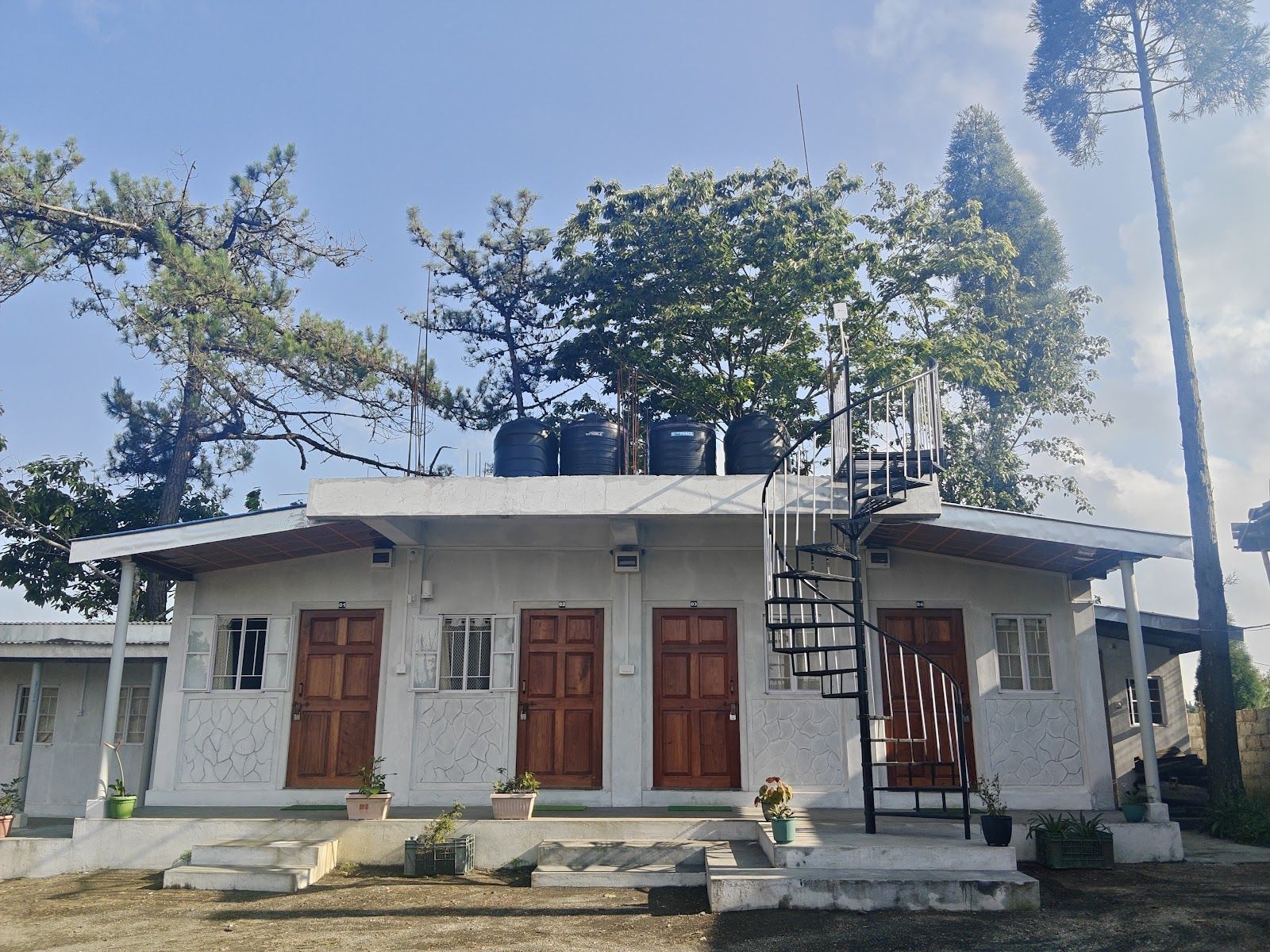
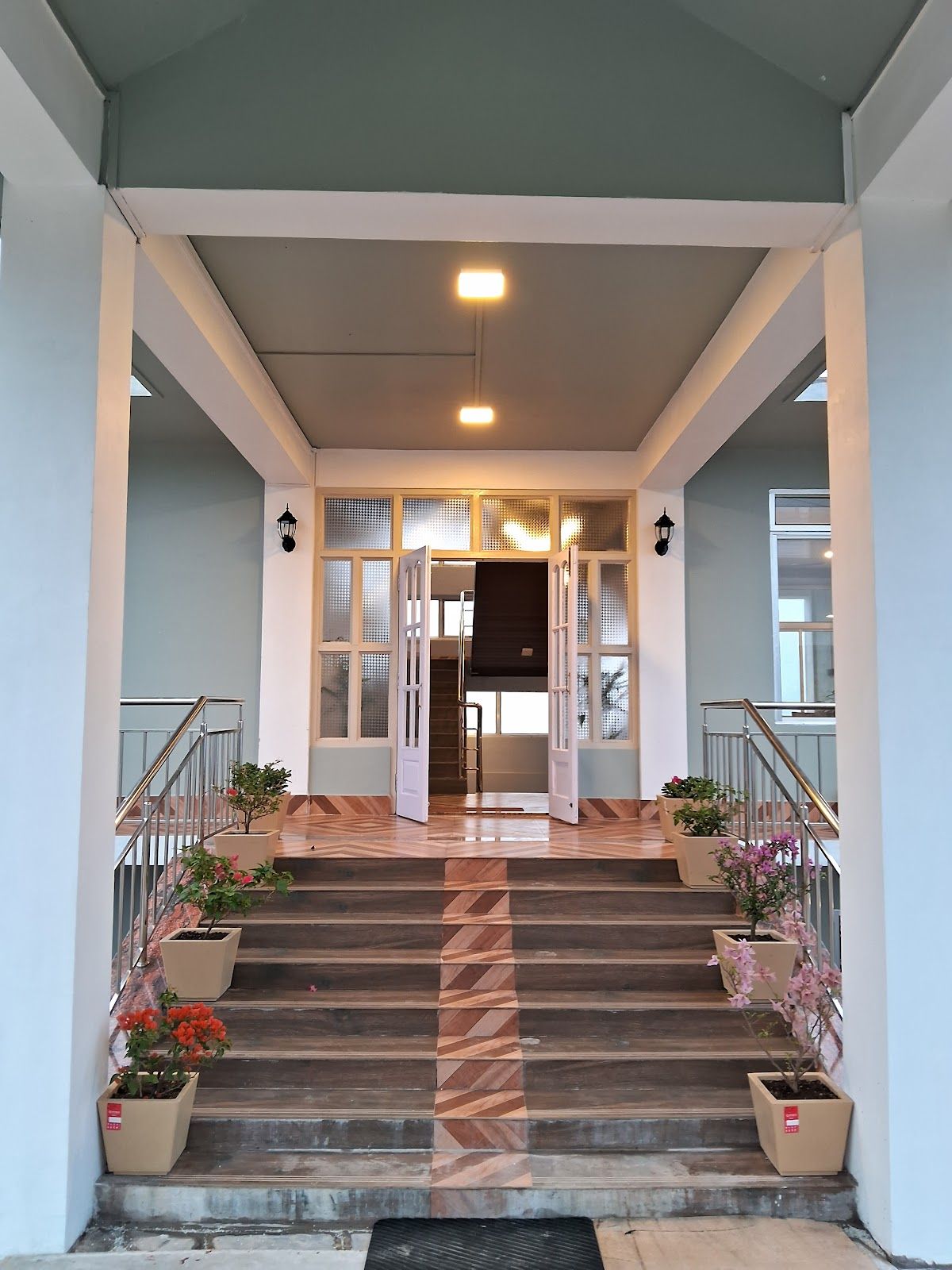
Sunset view homestay in Cherrapunji, Meghalaya
4.7· 97 stays
Things to do nearby.
The famous Nongriat double-decker living root bridge stands as one of the primary draws of the region. Reaching this natural marvel requires a descent of over 3,500 steps starting from Tyrna village, which lies just a 15-minute drive from the front door. Starting early in the morning allows travelers to pace the steep climb back up before the afternoon heat sets in.
Exploration around Cherrapunji also includes the limestone cave systems of Mawsmai and Krem Phyllut. Located short drives from the home, these caves offer narrow stone passages and natural dripstone formations. Visitors should wear sturdy footwear and bring a small torch when entering the deeper cavern pockets.
Nohkalikai Falls, dropping 340 meters from a forested plateau into a turquoise pool, sits within easy driving distance. The viewing point offers a dramatic vantage across the cliff face, particularly clear during the non-monsoon months.
For a longer day excursion, Mawlynnong village showcases traditional Khasi village care, cobble paths, and bamboo structures, alongside the nearby Riwai root bridge and elevated bamboo sky walks. Further east along the border, the Umngot River at Dawki, located 95 km from Shillong, offers glass-clear waters for boat rides between January and March when river clarity peaks.
Getting there.
Travelers arriving by air generally transit through Guwahati Airport (GAU), located 100 km from Shillong. The drive from Guwahati into the hills takes approximately three hours along a well-paved national highway. Shillong Airport at Umroi sits closer at 30 km from Shillong, though flight options remain limited and run primarily through Kolkata.
The nearest major railhead is Guwahati Railway Station, situated 100 km away, as Meghalaya does not have a train network within its mountain boundaries.
From the hub of Shillong, Cherrapunji (also known locally as Sohra) is reached via a 53 km drive. This two-hour journey winds continuously through cloud-draped mountain passes, pine forests, and deep river valleys before arriving at the ridge.
Best time to visit.
The prime window to visit Cherrapunji spans from October through April. During these months, skies clear, temperatures remain cool and crisp for walking, and balcony views extend across the entire gorge network without heavy mist interference. October and November offer fresh greenery right after the rains end, while December through February brings cold, clear winter days ideal for long outdoor treks down into Nongriat.
The monsoon season arrives between June and September, dropping over 10,000 mm of rain onto the plateau. While heavy downpours can temporarily close specific cave passages and steep trekking paths for safety, the monsoon displays the landscape at its most dramatic, with seasonal waterfalls cascading down the cliffs.