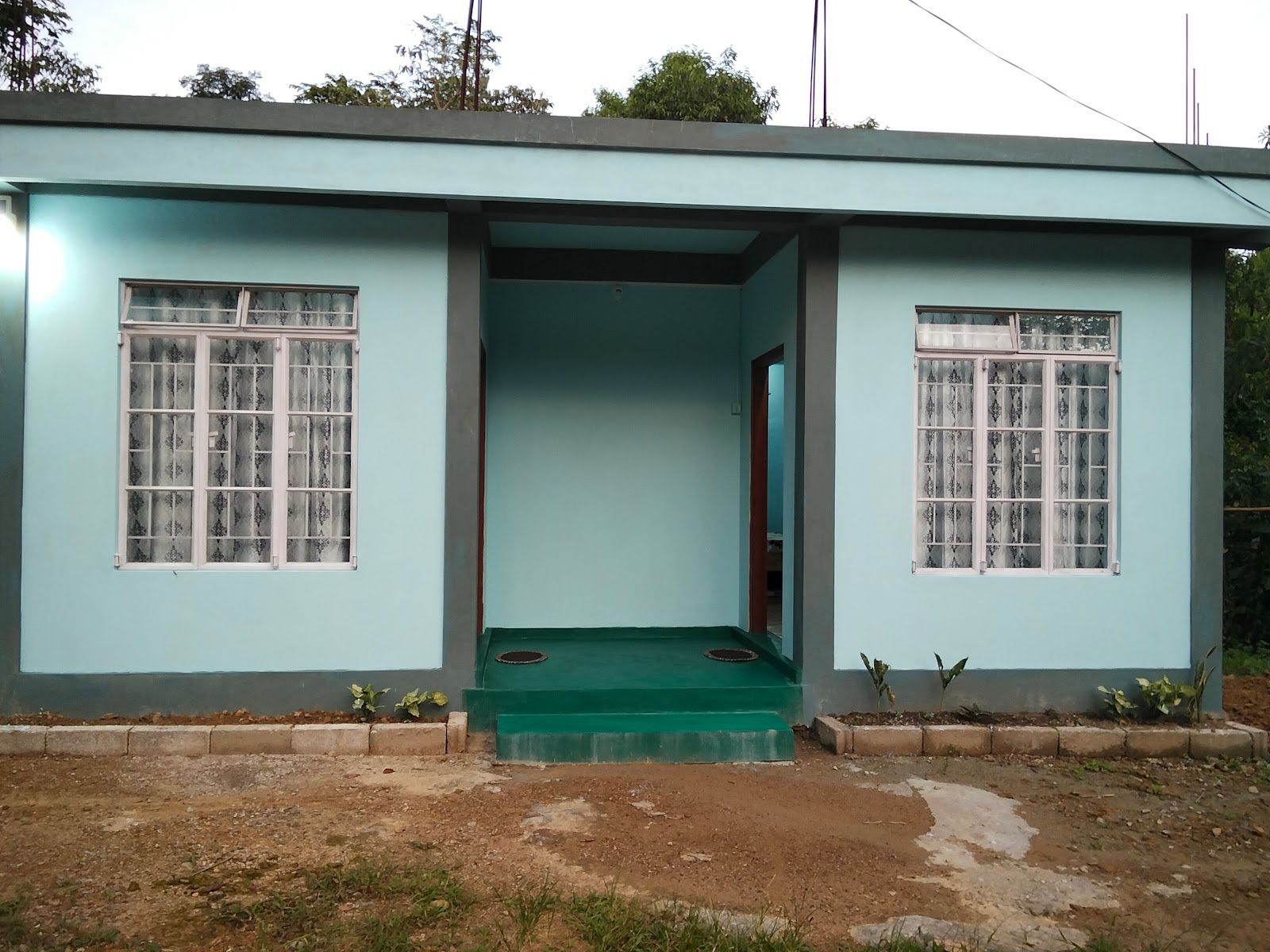
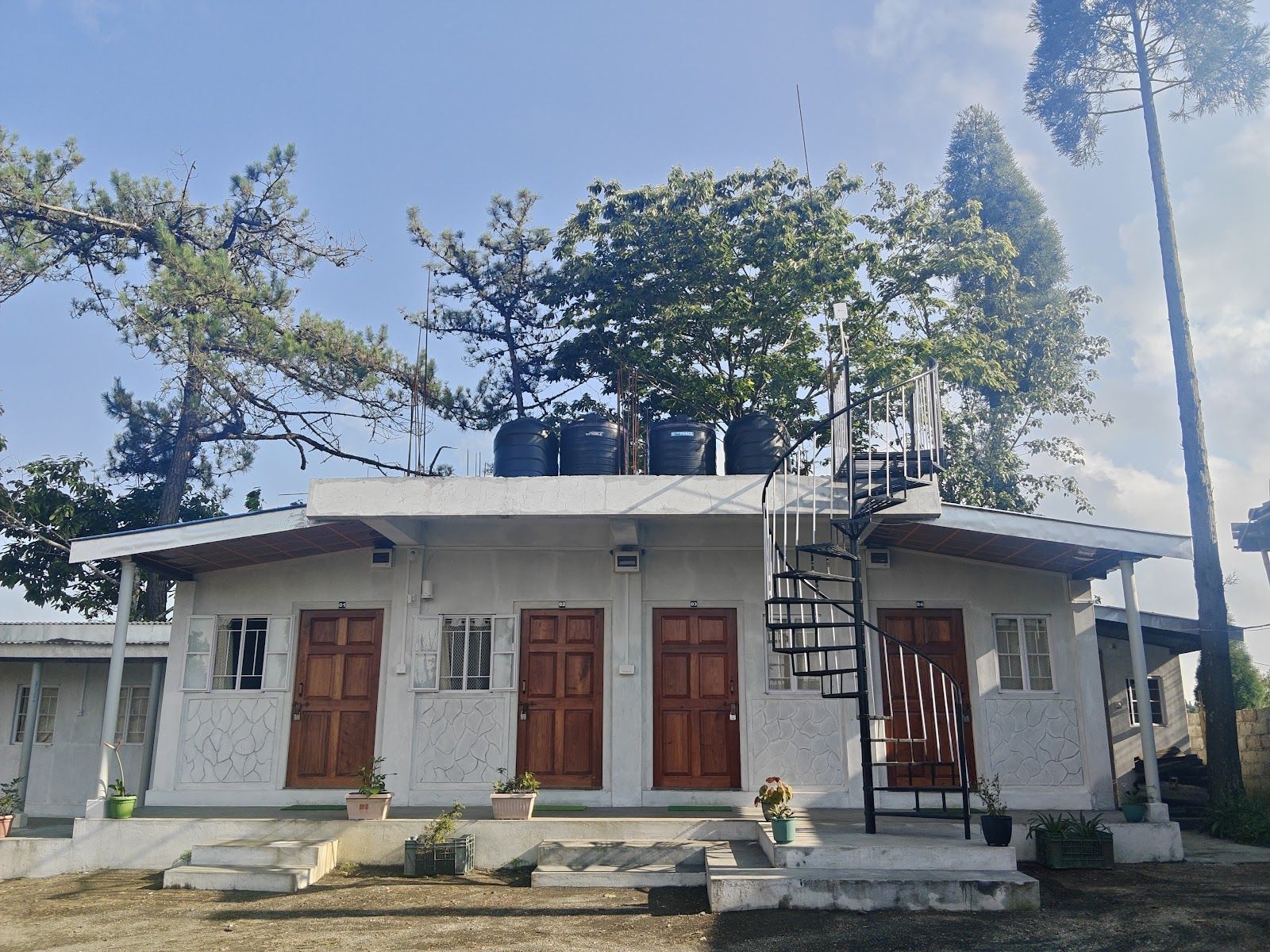
Cozy Cherrapunji homestay, Meghalaya
5.0· 67 stays
Things to do nearby.
The home is a good starting point for exploring the Khasi & Jaintia Hills.
The living root bridges are a highlight. The most famous, the Nongriat double-decker bridge, is a significant trek involving a descent of over 3,500 steps. It's a full-day activity, so start early and wear sturdy shoes.
Near Cherrapunji (Sohra), you can explore the Mawsmai and Krem Phyllut caves. These limestone caves are well-lit and accessible, offering a look at the region's unique geology with impressive stalactite and stalagmite formations.
The Umngot river at Dawki, near the Bangladesh border, is known for its astonishingly clear water, which looks like glass between January and March. You can take a boat ride on the river. Dawki is about a 95km drive from Shillong.
Mawlynnong is often called 'Asia's Cleanest Village'. It's a small, well-kept village with bamboo dustbins and clean pathways. Nearby, the Riwai sky walk offers views over the plains of Bangladesh from a bamboo bridge.
Nohkalikai Falls, India's tallest plunge waterfall at 340 metres, is a short drive away. The view is most dramatic during the monsoon, but the falls are visible year-round.
Getting there.
By Air: The nearest major airport is Lokpriya Gopinath Bordoloi International Airport in Guwahati (GAU), about 100km from Shillong. It's a 3-hour drive from the airport to Shillong. A smaller airport is at Umroi, near Shillong (SHL), with limited flights primarily from Kolkata.
By Rail: The nearest major railway station is in Guwahati. There is no rail connectivity in Meghalaya itself. From the station, you can hire a taxi or take a shared cab to Shillong.
By Road: Shillong is the main hub for the region. Cherrapunji (Sohra) is 53km from Shillong, a winding 2-hour drive. The home is best reached by a hired car, which can also be used for local sightseeing.
Best time to visit.
The best season to visit is from October to April, when the weather is dry and pleasant. The skies are clear, and the views are expansive. The monsoon, from June to September, is intense, with the region receiving over 10,000mm of rainfall. During this time, some caves and waterfalls may be closed, but the landscape is incredibly lush and green.