How to Start a Homestay in Sri Lanka: SLTDA Registration Guide (2026)
Quick answer: A homestay in Sri Lanka is registered with the Sri Lanka Tourism Development Authority (SLTDA) under one of three categories - Home Stay Unit, Bungalow, or Rented House/Apartment - and there's one requirement to check before anything else: SLTDA's own registration guidelines state the owner of every homestay must be a Sri Lankan citizen by birth. If that's you, registration runs through SLTDA's online licensing portal, requires an inspection of the property (bedrooms, bathroom, kitchen, and general standards), and typically takes a few weeks from application to approval. Fees are nominal but change over time - confirm the current figure on SLTDA's own portal rather than trusting an old number.
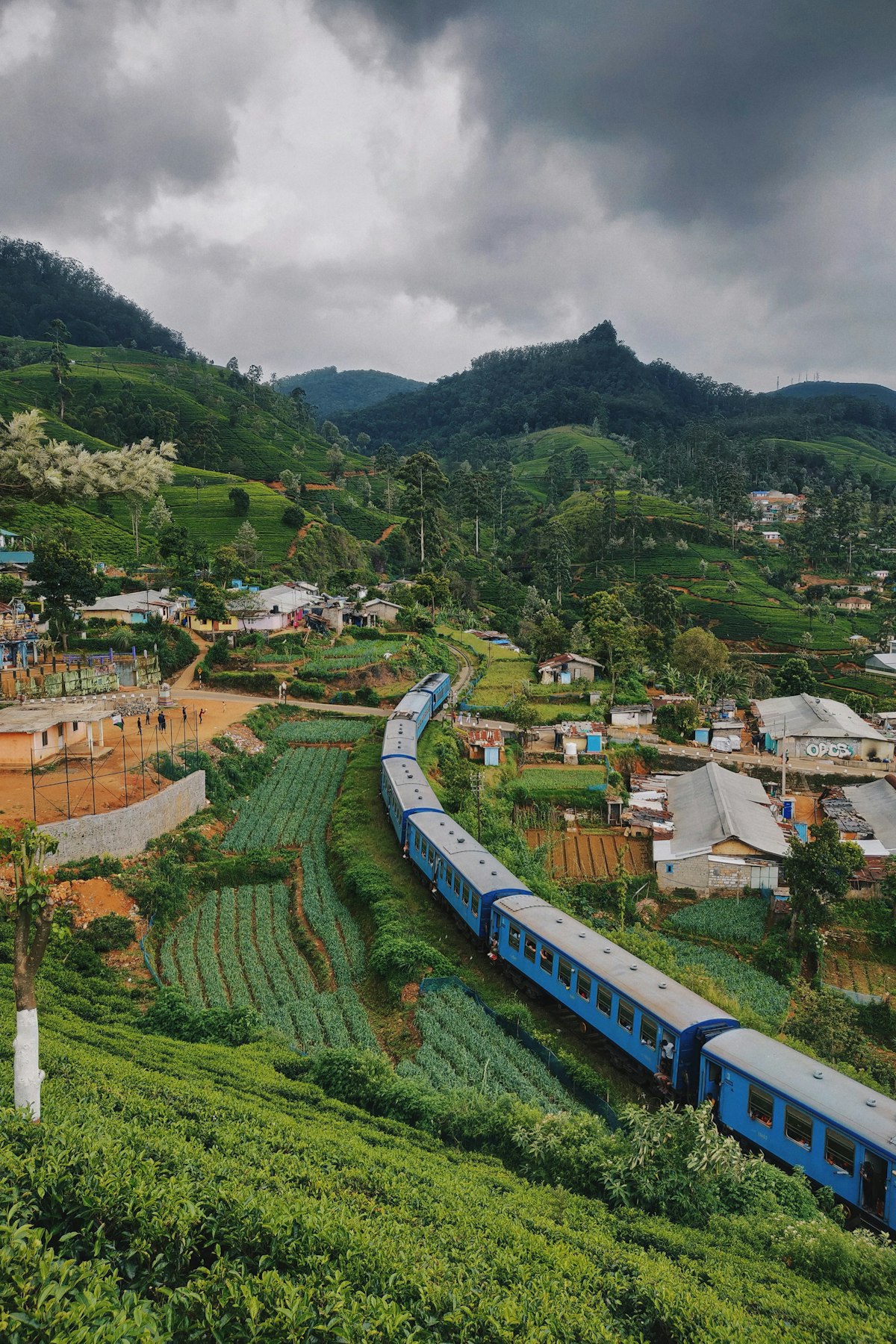
Sri Lanka's homestay programme started in 2011 under the government's "Divi Naguma" rural-empowerment initiative, and it's grown into a real, recognised part of the country's tourism sector - over a thousand homestays are registered with SLTDA today, concentrated in the hill country (Badulla and Kandy districts) and the south coast (Galle). If you're a Sri Lankan homeowner with a spare room and a genuine interest in hosting travellers, this guide walks through exactly what SLTDA requires.
If you're a Sri Lankan citizen by birth, the path below is straightforward. If you're not, SLTDA's homestay category specifically isn't open to you - a guest house or hotel registration under a different SLTDA category may be the relevant path instead, and that's a separate conversation with SLTDA directly.
The three homestay categories
SLTDA recognises three sub-categories under its Home Stay Programme:
- Home Stay Unit. A house occupied by a family with 1 to 4 guest rooms, where guests and the hosting family interact directly. This is the core, most common category.
- Bungalow. A similar concept, typically a standalone property rather than rooms within an occupied family home.
- Rented House / Rented Apartment. A property rented out to tourists, under the same registration umbrella.
If your house is more than 100 years old and you can provide acceptable proof, it can additionally be categorised as a Heritage Home within these categories - a real distinguishing marker for anyone with a genuinely old property.
What SLTDA actually inspects
SLTDA's revised guidelines (developed with the Asian Development Bank) lay out specific, checkable standards. The essential ones:
- House: must be in habitable condition.
- Bedrooms: a minimum of 1 and maximum of 4 guest rooms. A single room must be at least 100 sq ft, a double room at least 120 sq ft. Every door needs working locks (guests should be able to lock from inside or outside), windows must lock securely, and each room needs air conditioning, heating, or at minimum an electric fan, plus somewhere to hang clothes.
- Bathroom: a separate, clean bathroom for guests, at least 24 sq ft, non-slip and water-resistant surfaces, and a door that locks from the inside.
- Kitchen: high standards of cleanliness and food hygiene, easy-to-clean flooring, safe food storage, gas cylinders kept outside if used, and a sink with hot and cold running water.
- General: a bill book for guest receipts, and - this one's a statutory requirement, not just a guideline - a Guest Registration Book recording each guest's name, address, passport or National Identity Card number, arrival/departure dates, and next destination.
Beyond these essentials, SLTDA also checks location and road access, yard/garden upkeep, parking, general maintenance, linen-change frequency (every 3-4 days), first aid provisions, laundry facilities, and proper waste and sewage handling. None of this is unusual for anyone already running a clean, well-kept home - it's largely a checklist of things a careful host would do anyway.
Step-by-step: how to register
Step 1. Apply online. Go to SLTDA's website and use the "Register With Us" link (the Online Tourism Business Licensing Service, accessible via sltda.gov.lk) to submit your application under the "HomeStay Provisional" category.
Step 2. Submit your documents. SLTDA asks for certified copies of the required documents - certification by an Attorney-at-Law or Justice of the Peace is typically required - sent by courier or hand-delivered as instructed.
Step 3. Pay the registration fee. A registration fee applies, plus applicable taxes (NBT/VAT). The exact figure has varied across recent years in publicly available sources, so confirm the current fee directly on SLTDA's portal before budgeting - don't rely on an old number found online.
Step 4. Property inspection. SLTDA's Standards and Quality Assurance Division inspects the property against the standards above, typically within about 30 days of application.
Step 5. Approval and registration. Once approved and fees are settled, you receive your official SLTDA registration and certificate - display it in your homestay for guests to see. Registration must be renewed annually.
How booking works once you're registered
SLTDA lists every registered homestay in its own accommodation guide and website directory. Guests find you there and contact you directly to book - SLTDA is a facilitator and directory, not a booking intermediary, so managing the actual reservation (confirming dates, collecting a deposit, handling payment) is on you. SLTDA's own guidance suggests a deposit of no more than 20% to secure a booking, with the balance collected before departure.
This is exactly the gap a distribution platform helps close - a registered homestay still needs to actually reach travellers who are searching, not just sit in a government directory.
How Fursat can help
Fursat runs a verified, WhatsApp-first booking platform for homestays across Northeast India and the Himalaya, and we're extending into Sri Lanka's hill country and coast now - geography and a traveller base that overlaps closely with what we already know. If you're a Sri Lankan citizen who's registered (or registering) a homestay, message us on WhatsApp and we'll talk through what getting listed and reaching real guest inquiries looks like.
Frequently asked questions
Read next: How to start a homestay in India · How to start a homestay in Nepal