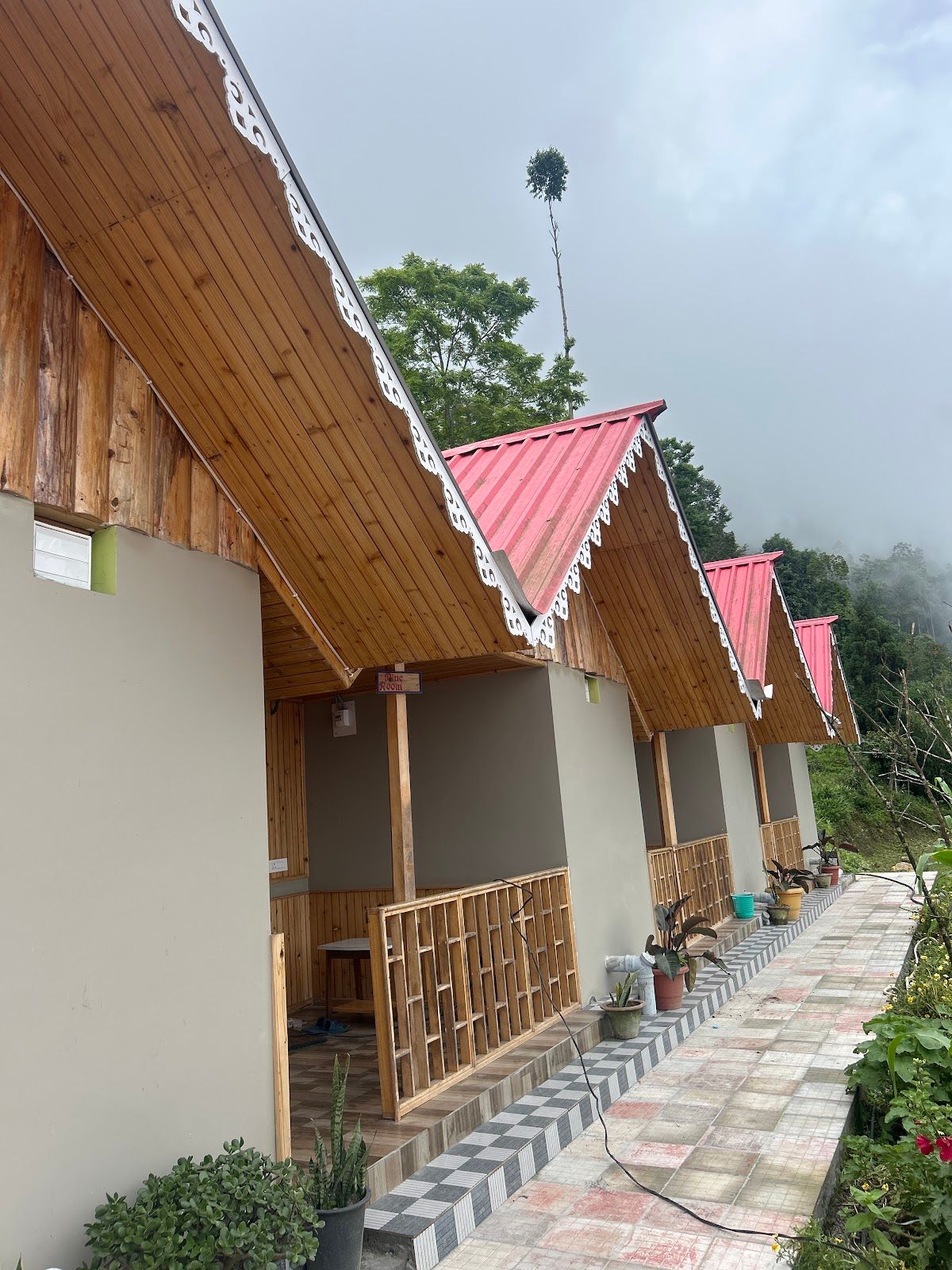
Stingless Bee Honey & Forest View Homestay, Sikkim
4.8· 5 stays
Things to do nearby.
The home is a good starting point for exploring both East and West Sikkim. Gangtok, the state capital, is the primary hub for arranging transport and the necessary permits for restricted areas.
From Gangtok, you can make a day trip to Tsomgo Lake, also known as Changu Lake. It’s a glacial lake about 40km away that sits at an altitude of 12,313 ft and often freezes over in winter. A Restricted Area Permit (RAP) is required to visit.
Also near Gangtok is Rumtek Monastery, one of the most significant monasteries in Tibetan Buddhism and the seat of the Karmapa. It’s about 24km from the city and offers a look into the region's deep spiritual heritage.
For those with more time and a permit for North Sikkim, Lachung serves as the gateway to the Yumthang Valley. Known as the 'valley of flowers', it’s a stunning landscape of alpine meadows, especially when the rhododendrons bloom in spring.
Further west, Pelling is known for its incredible, direct views of Kanchenjunga. The town is home to historic monasteries like Pemayangtse and Sanga Choeling, which can be reached by a short, scenic walk. For serious trekkers, the village of Yuksom is the starting point for the classic Goecha La trek, which takes you to the base of Kanchenjunga.
Getting there.
The most reliable way to reach Sikkim is by flying into Bagdogra Airport (IXB) in West Bengal, which is 124km away. From there, it’s a scenic, though often winding, 4-hour drive. The newer Pakyong Airport (PYG) is much closer (30km from Gangtok) but flights are frequently diverted due to unpredictable weather. The nearest major railway station is New Jalpaiguri (NJP), about 122km away, from where you can hire a car.
Best time to visit.
Sikkim has two main tourist seasons. The spring, from March to May, is when the rhododendrons and other wildflowers are in full bloom, especially in places like Yumthang Valley. The air is fresh and the landscape is vibrant. The second window is in autumn, from October to mid-December. This period offers the clearest skies, with crisp air and the best chances for unobscured views of Kanchenjunga and the Himalayan range. The monsoon season (June to September) sees heavy rain, and road closures in North Sikkim are common.