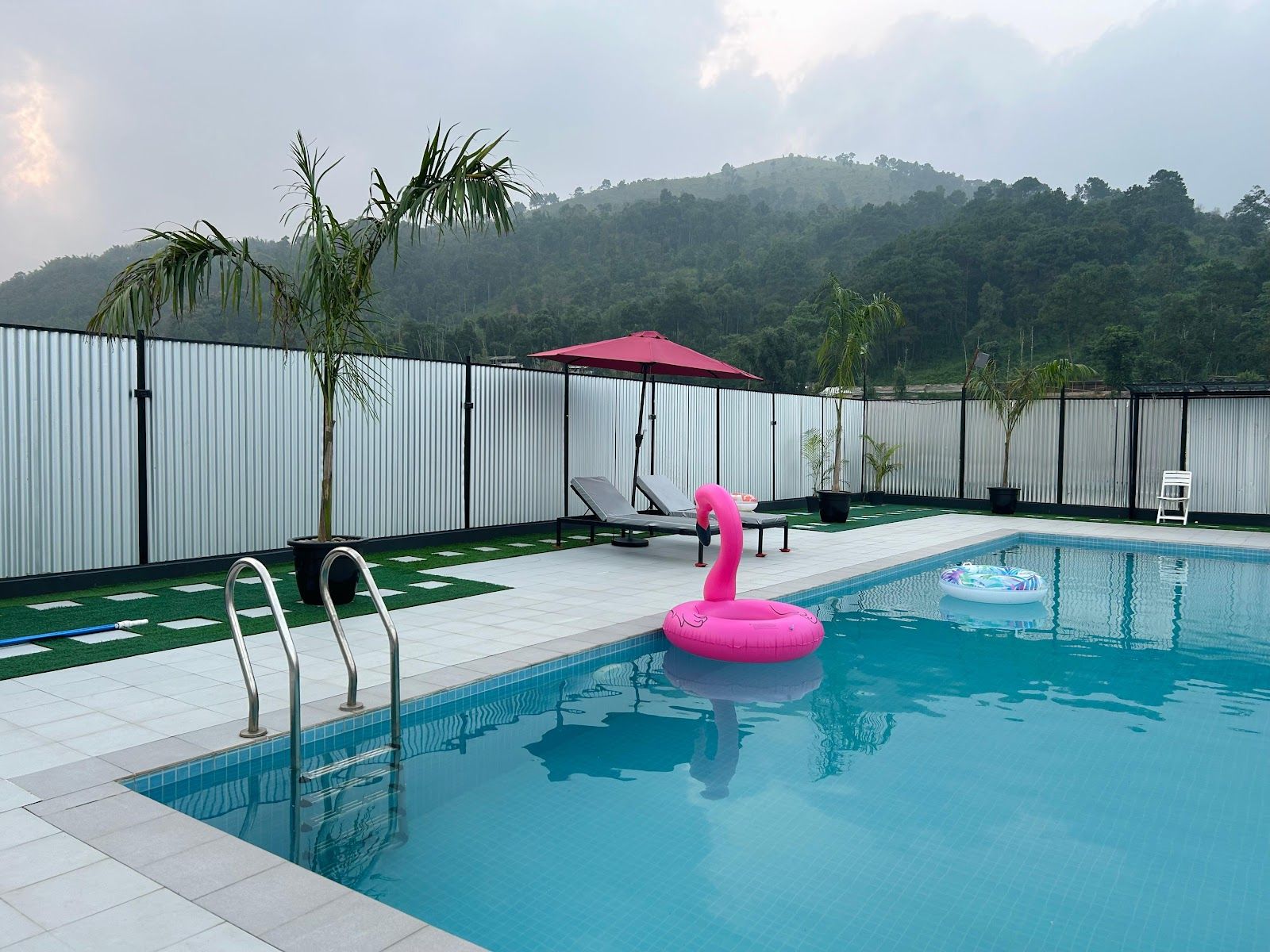
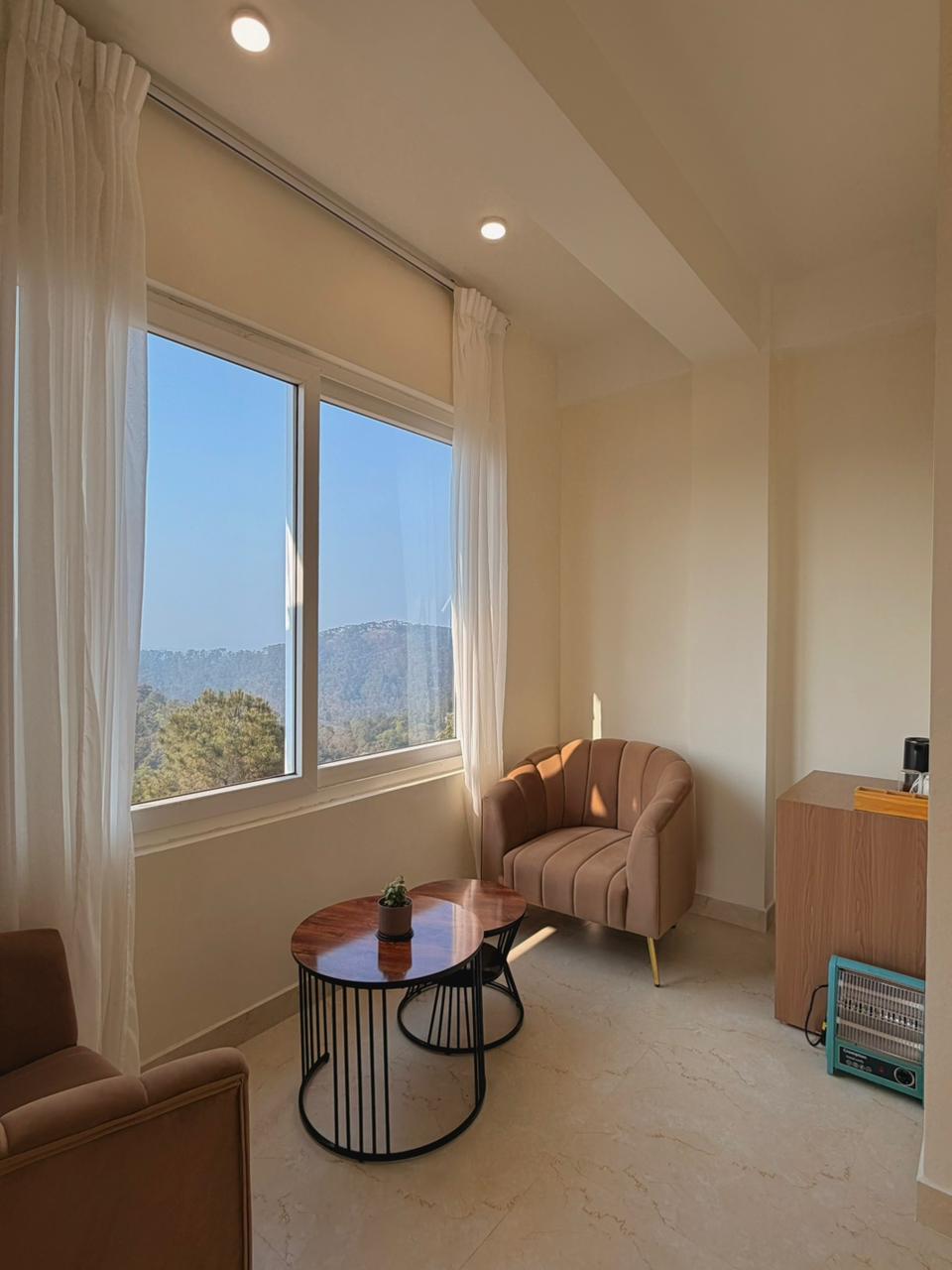
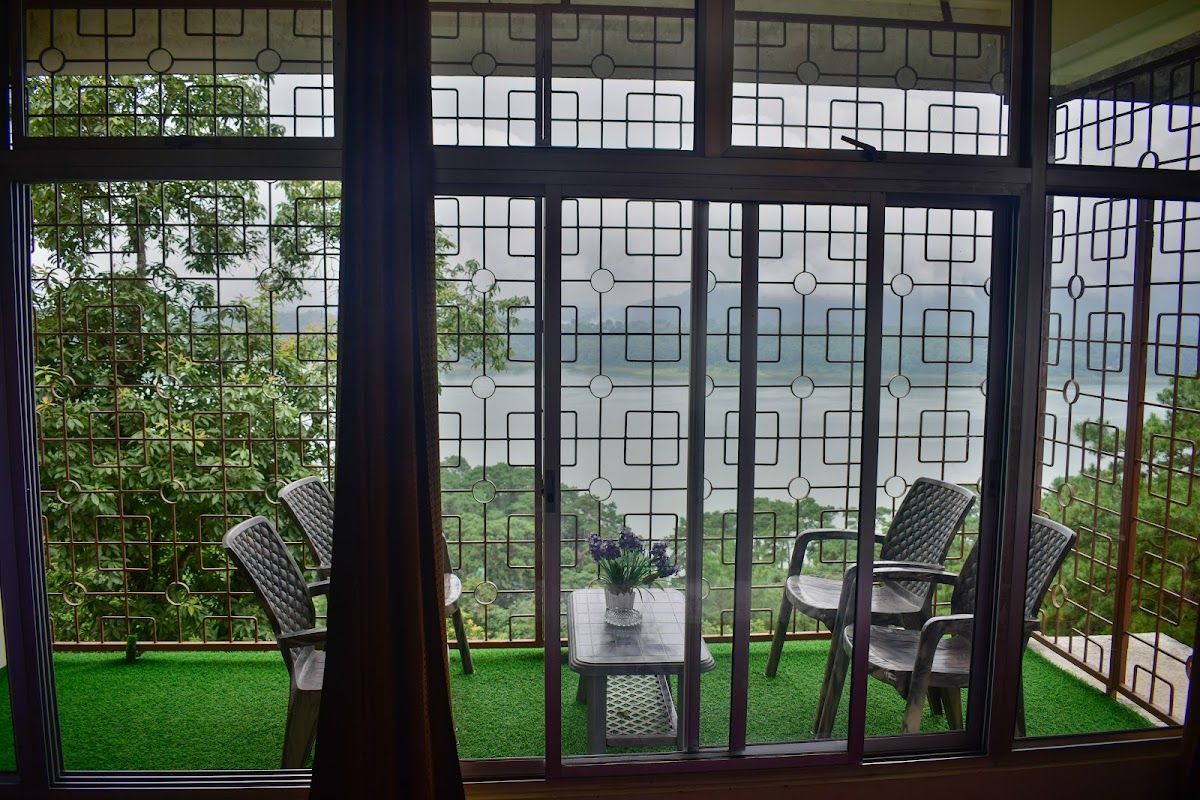
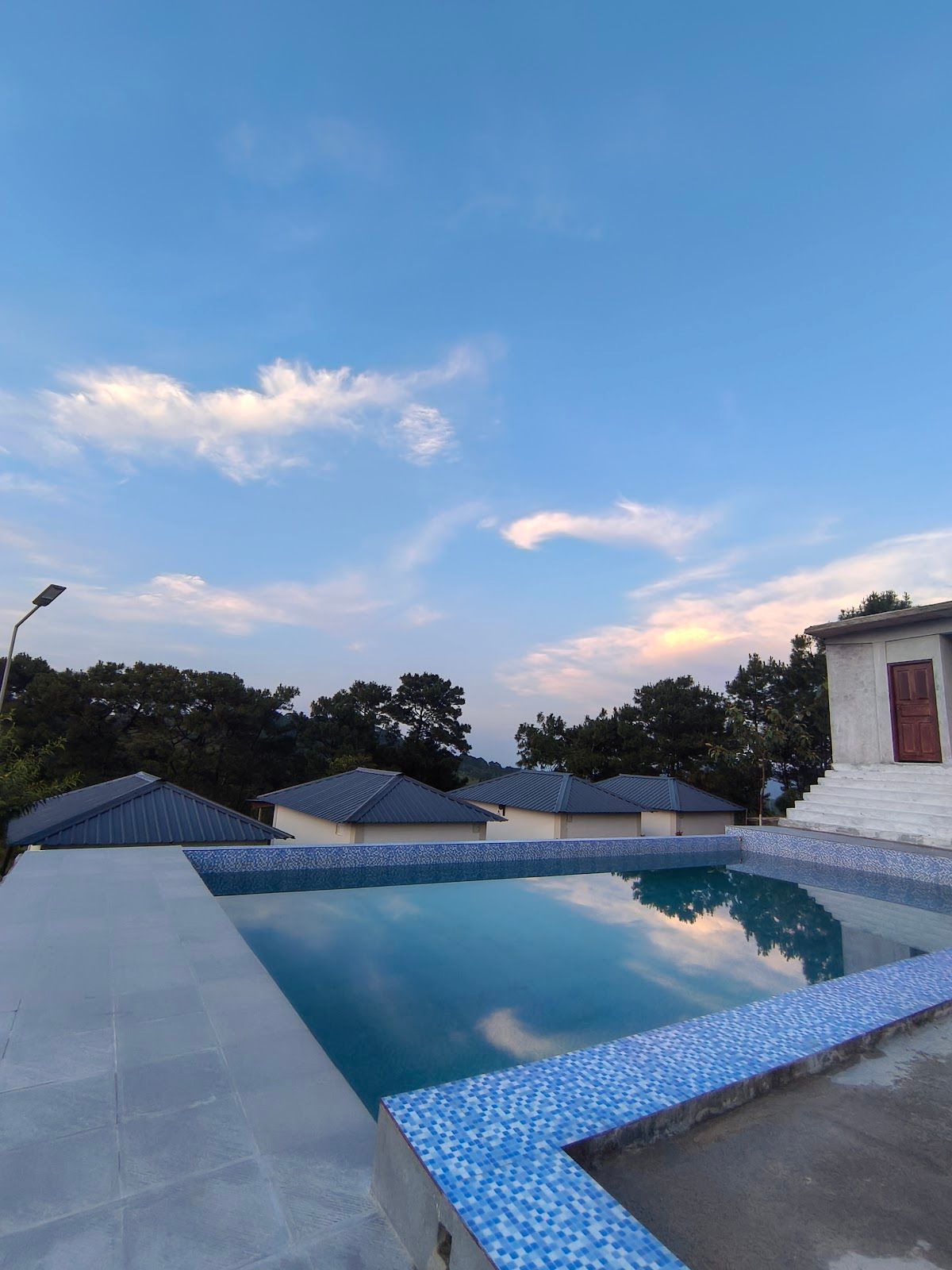
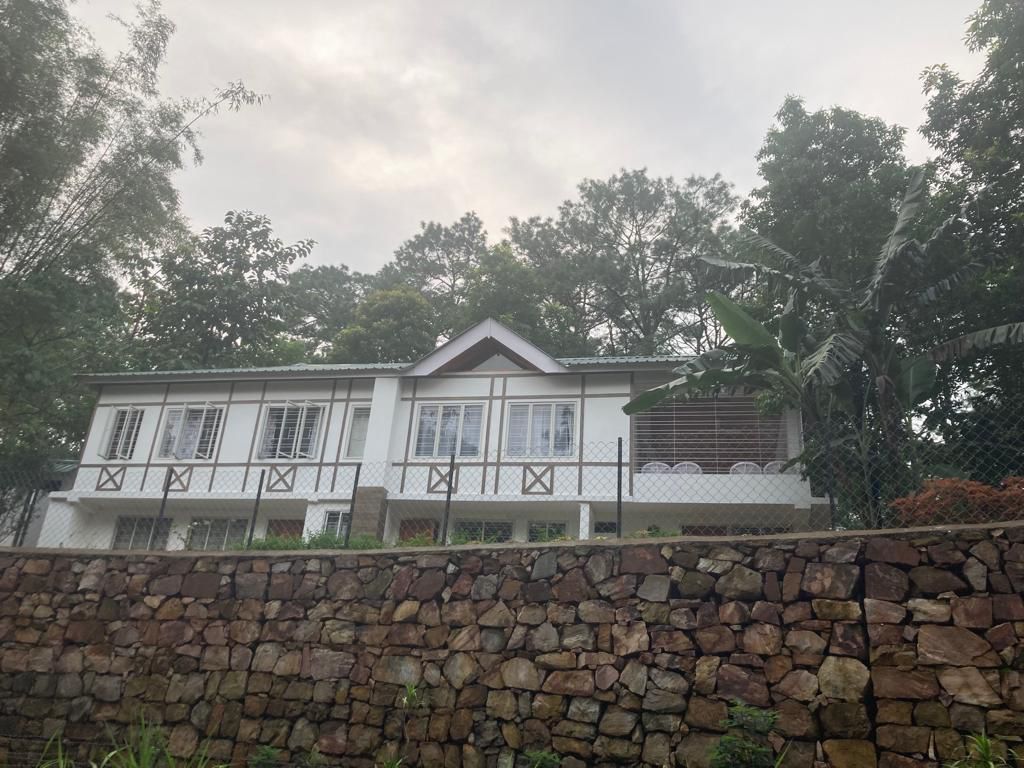
Very nice place with a great scenic beauty. Rooms are nice and cozy. Stayed there with my family and had a very pleasant stay. The food is also nice. Thanks to Dari for making our stay very pleasant and comfortable.
Bastav Baruah
The Khasi and Jaintia Hills hold some of the most distinct landscapes in the Northeast. The Nongriat double-decker living root bridge requires a 3,500-step descent into the valley, a physical trek that takes you deep into the forest to see bridges woven from living rubber fig roots. These bridges take decades to grow strong enough to support human weight.
Mawsmai and Krem Phyllut caves sit in the Cherrapunji area, offering a look at the region's vast limestone formations and underground passages.
The Umngot river at Dawki runs glass-clear between January and March, showing the riverbed from the surface and making the boats look like they are floating in mid-air. Dawki sits right on the border, and the drive down from the hills brings you into a warmer, more tropical climate.
Mawlynnong is known as Asia's cleanest village and features the Riwai sky walk, an elevated bamboo structure looking over the plains.
Nohkalikai falls drops 340 metres from a forested plateau, making it India's tallest plunge waterfall.
Shillong airport at Umroi is 30 kilometres from Shillong, with limited flights mostly arriving via Kolkata.
Guwahati airport is the standard arrival point for most travelers, 100 kilometres from Shillong, taking about three hours by road. The highway from Guwahati is wide and well-maintained for the most part, curving around the Umiam Lake reservoir before reaching the town. The drive up from the plains of Assam brings a sharp drop in temperature as you enter the hills.
Guwahati is also the nearest major railhead, 100 kilometres from Shillong, as there is no rail network in Meghalaya itself. Taxis and private cabs are the most reliable way to make the journey from the airport or railway station.
Shillong serves as the main road hub for the state. From there, Cherrapunji is a 53-kilometre drive on a winding road, taking roughly two hours. Dawki is 95 kilometres from Shillong, marking the river border crossing into Bangladesh.
October through April is the best window for clear weather, giving you sharp views of the valleys and crisp air in the mornings. Winter mornings in December and January are cold, requiring thick jackets and a warm cup of tea to start the day. The transition months of October and November offer a balance of green landscapes post-monsoon and clear blue skies.
The monsoon from June to September brings over 10,000 millimetres of rain to the region. The water comes down in sheets, filling the rivers and waterfalls to their maximum volume. Some waterfalls and caves shut down during these heavy rains for safety, but the deep green across the hills is unmatched. If you travel during the monsoon, expect heavy fog and wet roads.