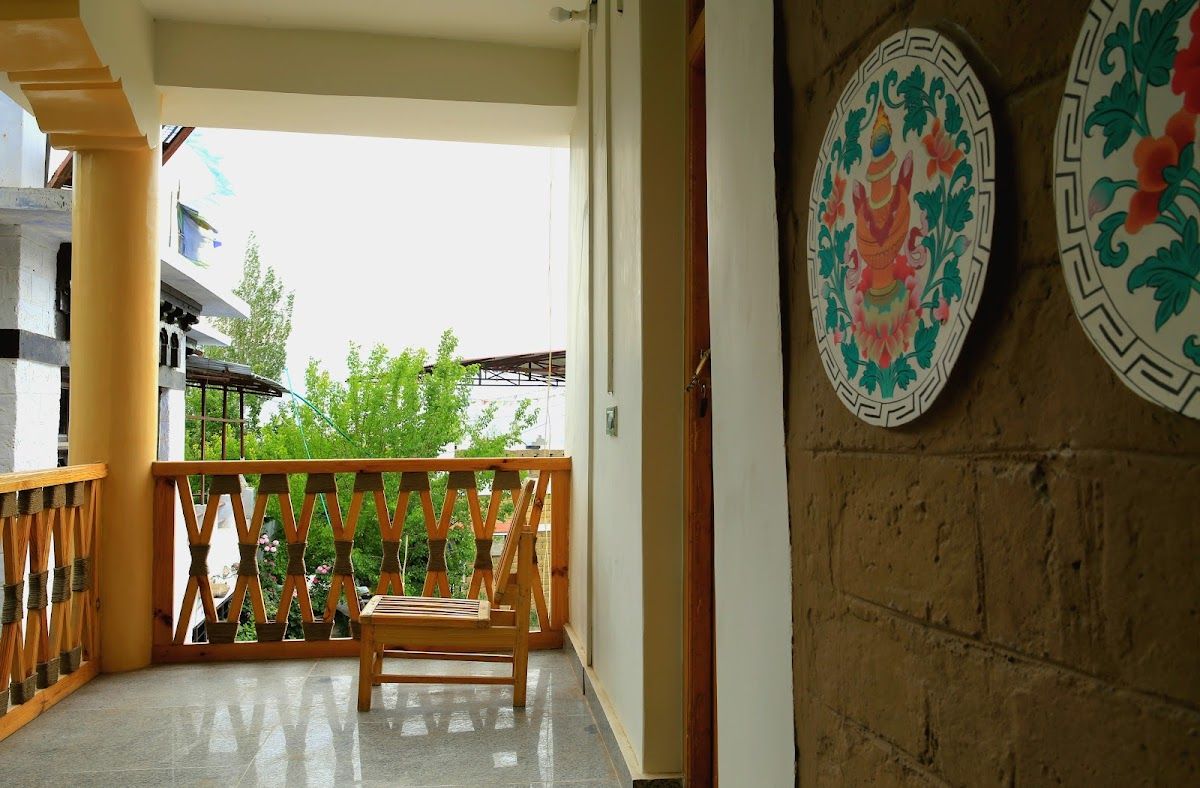
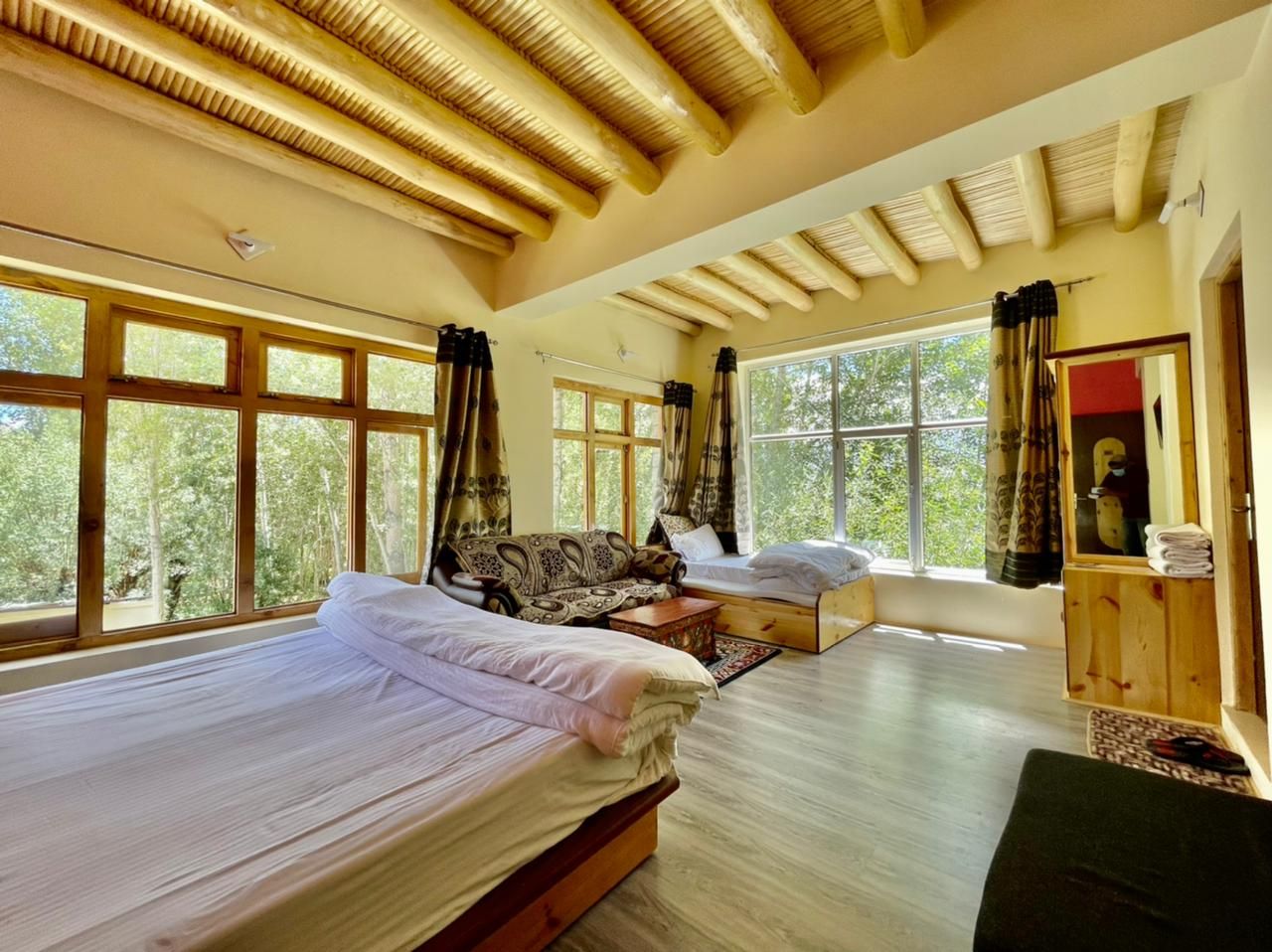
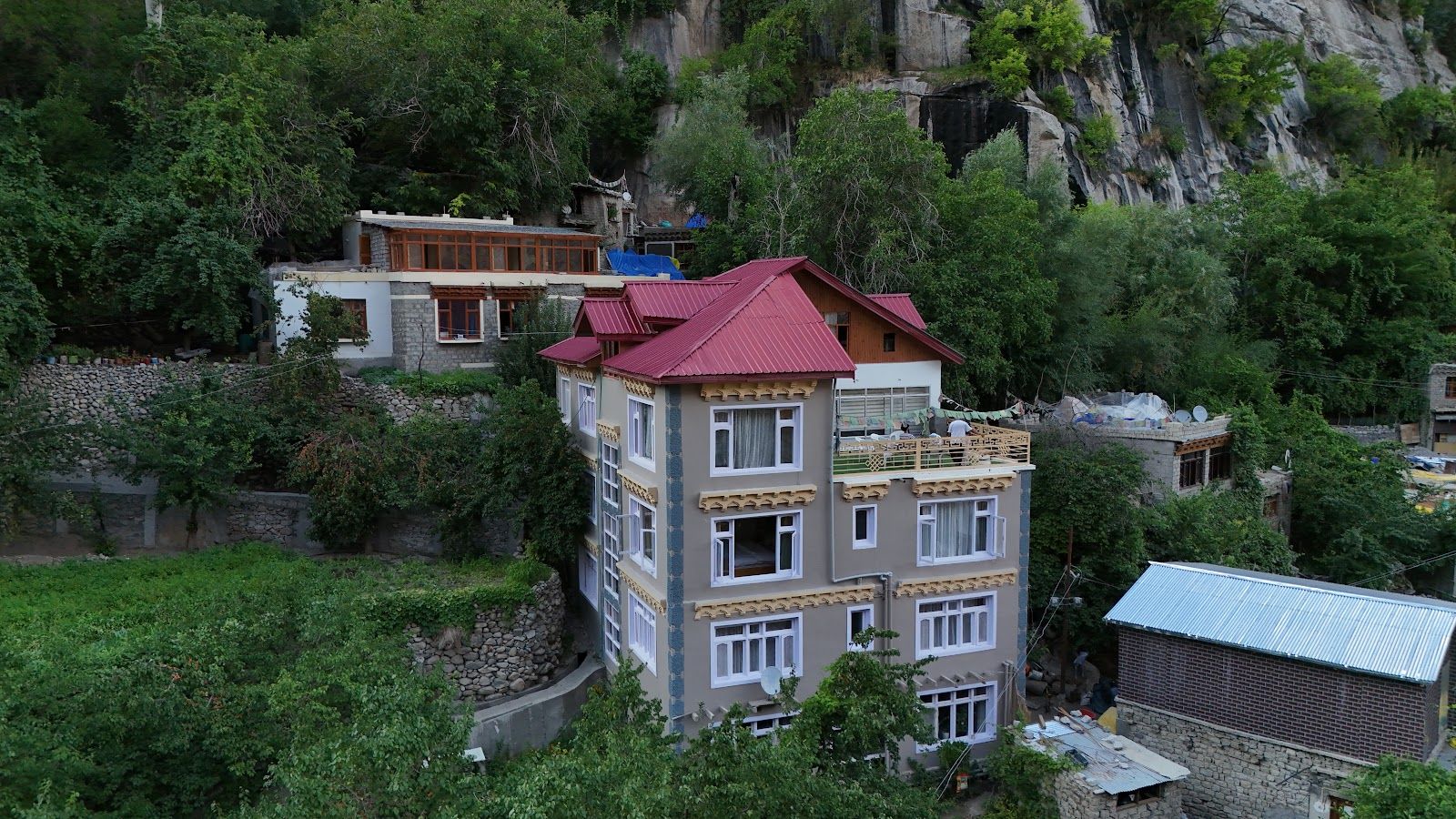
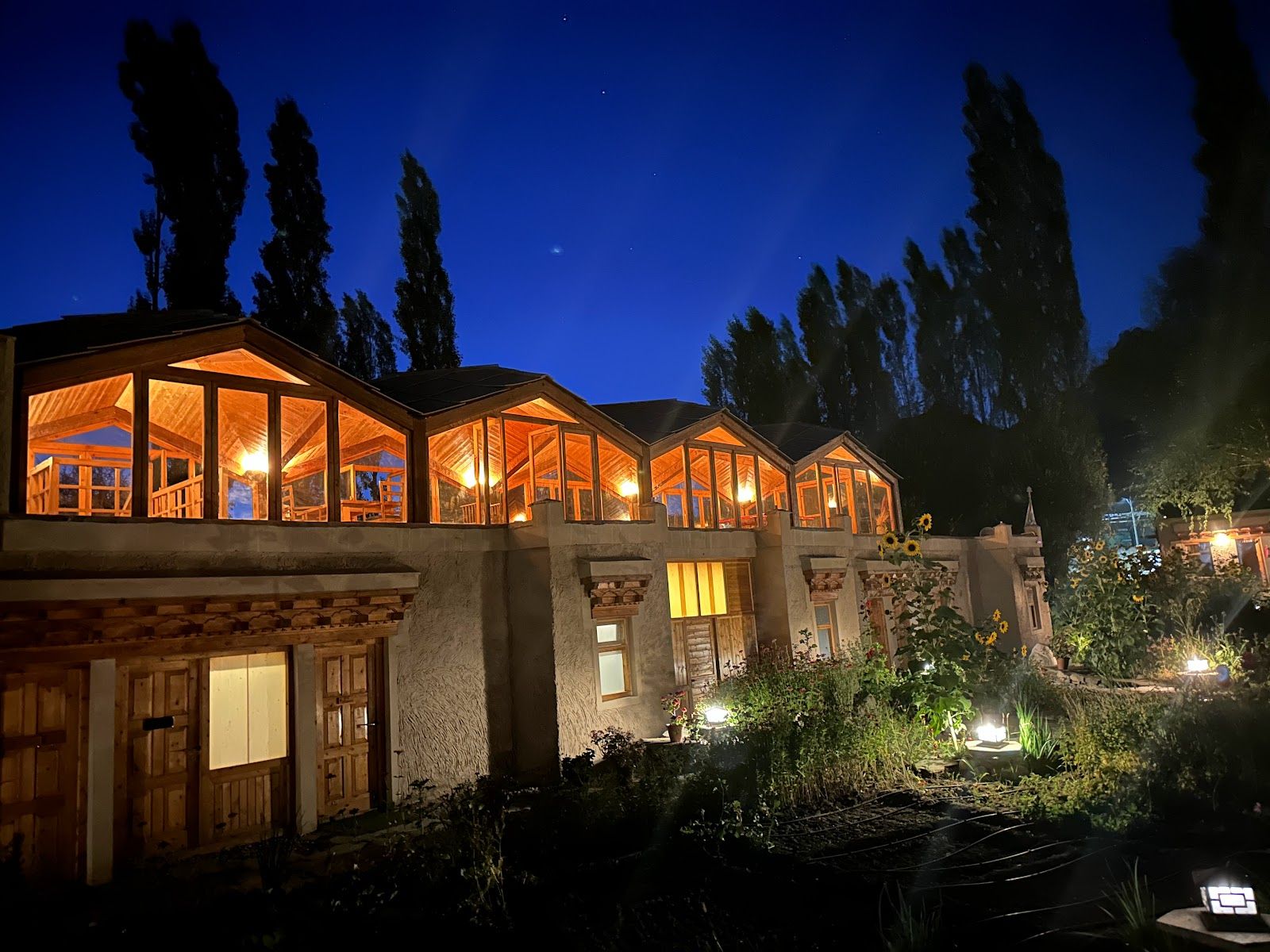
Private Cottages w/Ladakhi Food, Ladakh
4.8· 297 stays
Things to do nearby.
The home is a good starting point for the classic Ladakh circuits. • Pangong Tso: The iconic high-altitude blue lake on the Indo-China border is a day trip, about 160 km away. The drive itself is spectacular. An Inner Line Permit (ILP) is required. • Nubra Valley: To reach the sand dunes and double-humped Bactrian camels of Hunder, you'll cross Khardung La, one of the world's highest motorable passes. This also requires an ILP. • Tso Moriri: A quieter, more remote lake than Pangong, Tso Moriri is a haven for birdwatchers, especially for the brown-headed gulls that breed here. It is 220 km from Leh and requires an ILP. • Indus Valley Monasteries: A half-day loop from Leh takes you to two of Ladakh's most important monasteries, Hemis and Thiksey. Thiksey, perched on a hill, resembles the Potala Palace in Lhasa. • West of Leh: Another half-day trip covers the strange phenomenon of Magnetic Hill, the confluence (sangam) of the Zanskar and Indus rivers, and the historic Gurudwara Pathar Sahib.
Getting there.
• By Air: The nearest airport is Kushok Bakula Rinpoche Airport in Leh (IXL). Flights operate only in the morning due to mountain weather, and diversions are common. • By Rail: The closest major railway station is Jammu Tawi, 700 km away. From there, you must travel by road via Srinagar to reach Leh. There is no rail connectivity to Ladakh. • By Road: Leh is the region's main road hub. The Leh-Manali Highway (470 km) is open from June to mid-October. The Leh-Srinagar Highway (420 km) is typically open from April to end-November. Kargil is the main town on the Srinagar route, about 220 km from Leh.
Best time to visit.
The best time to visit Ladakh is from June to September, when the weather is pleasant and the high passes are open. The landscape is stark and clear under the summer sun. From mid-October, road closures begin, starting with the Leh-Manali highway. The Leh-Srinagar road usually closes by the end of November, and the region becomes largely inaccessible by road for the winter.