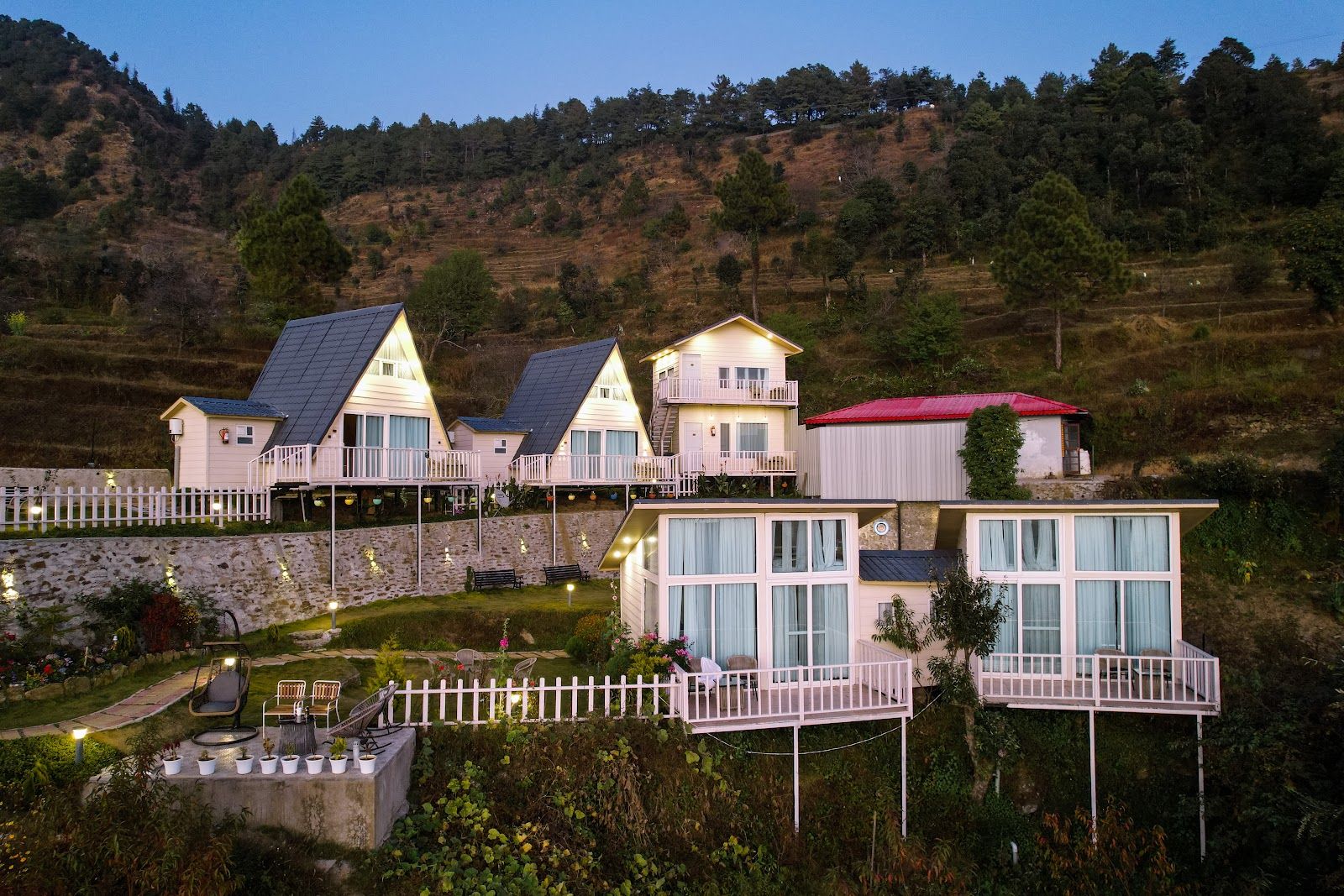
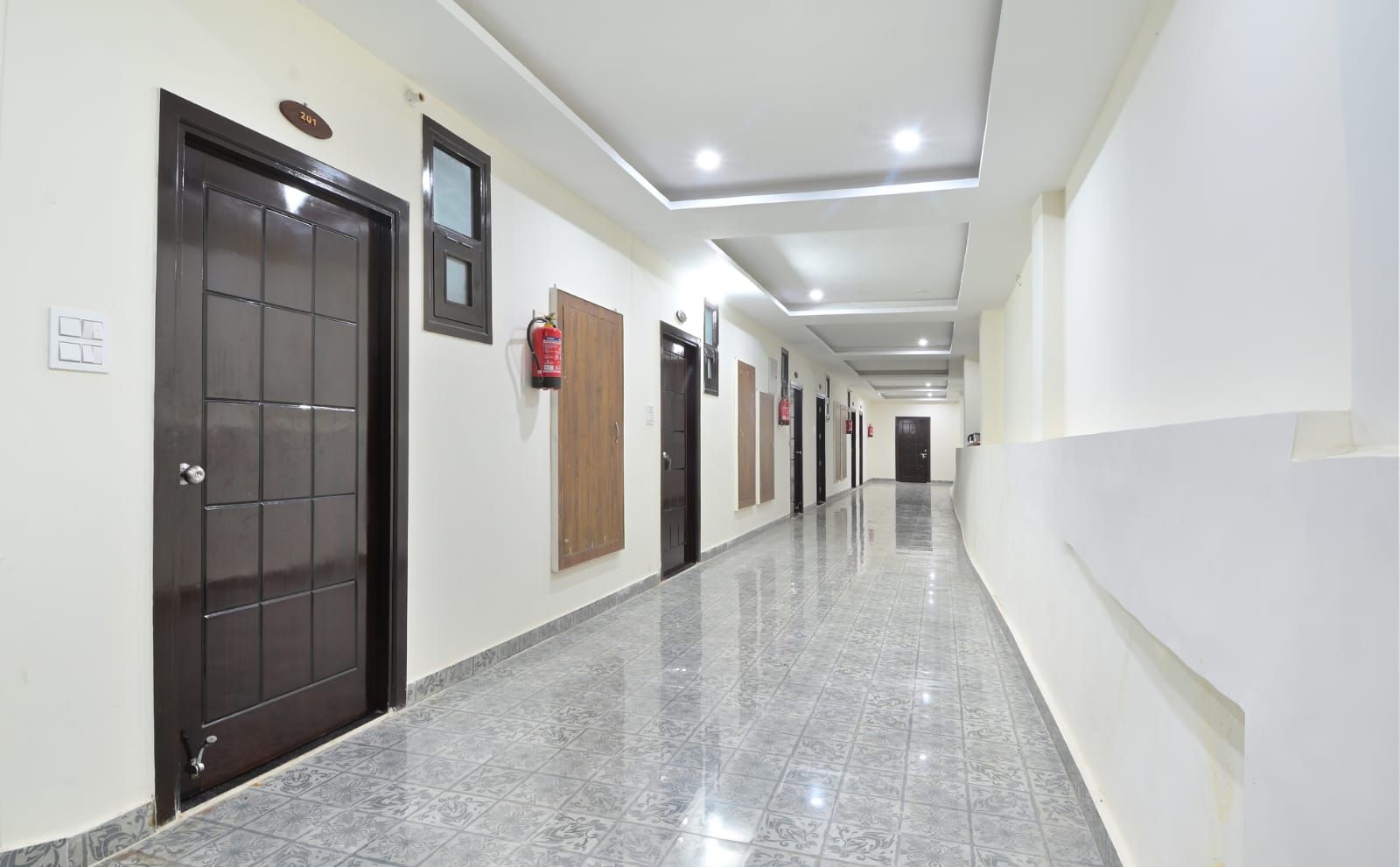
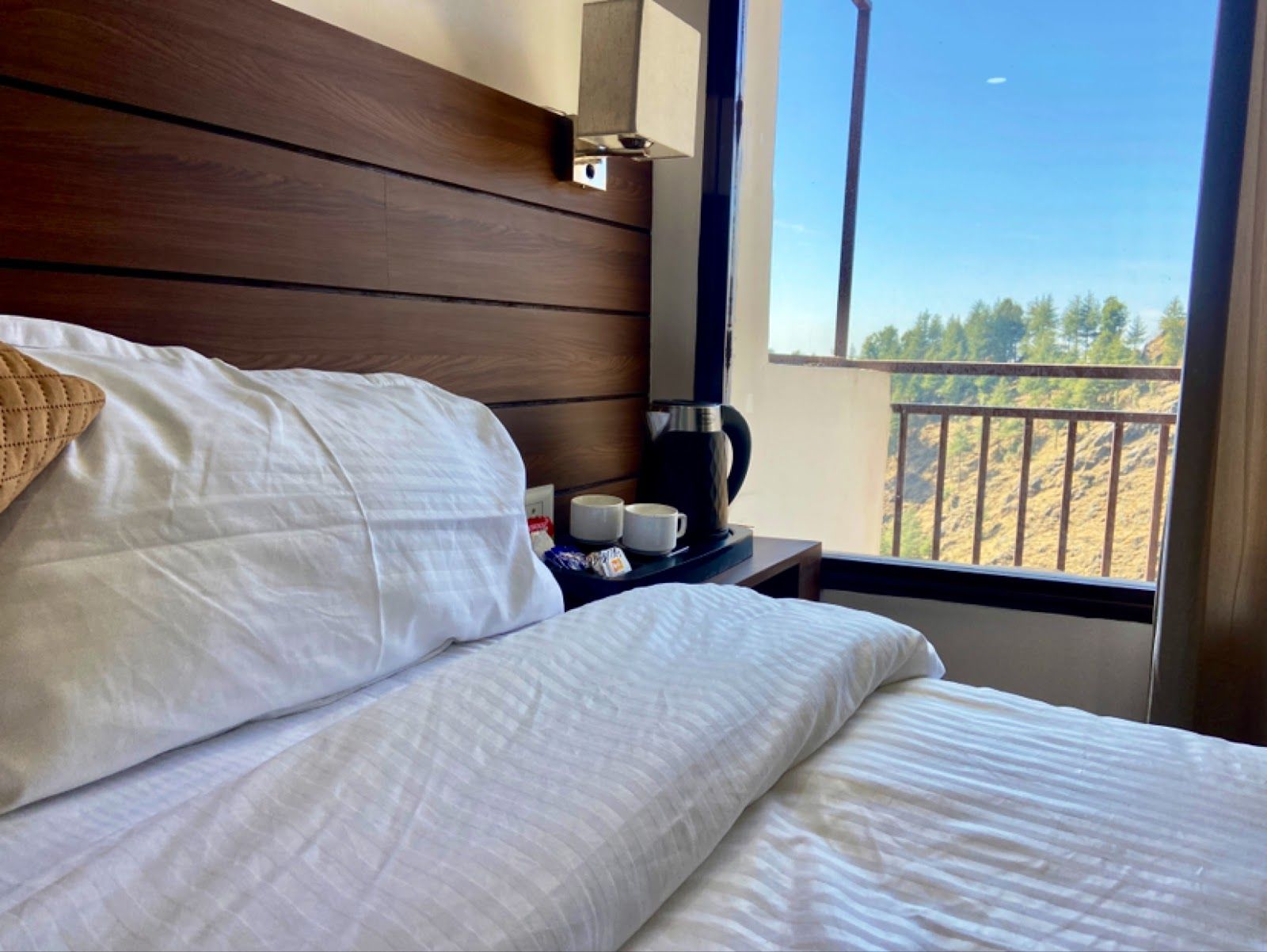
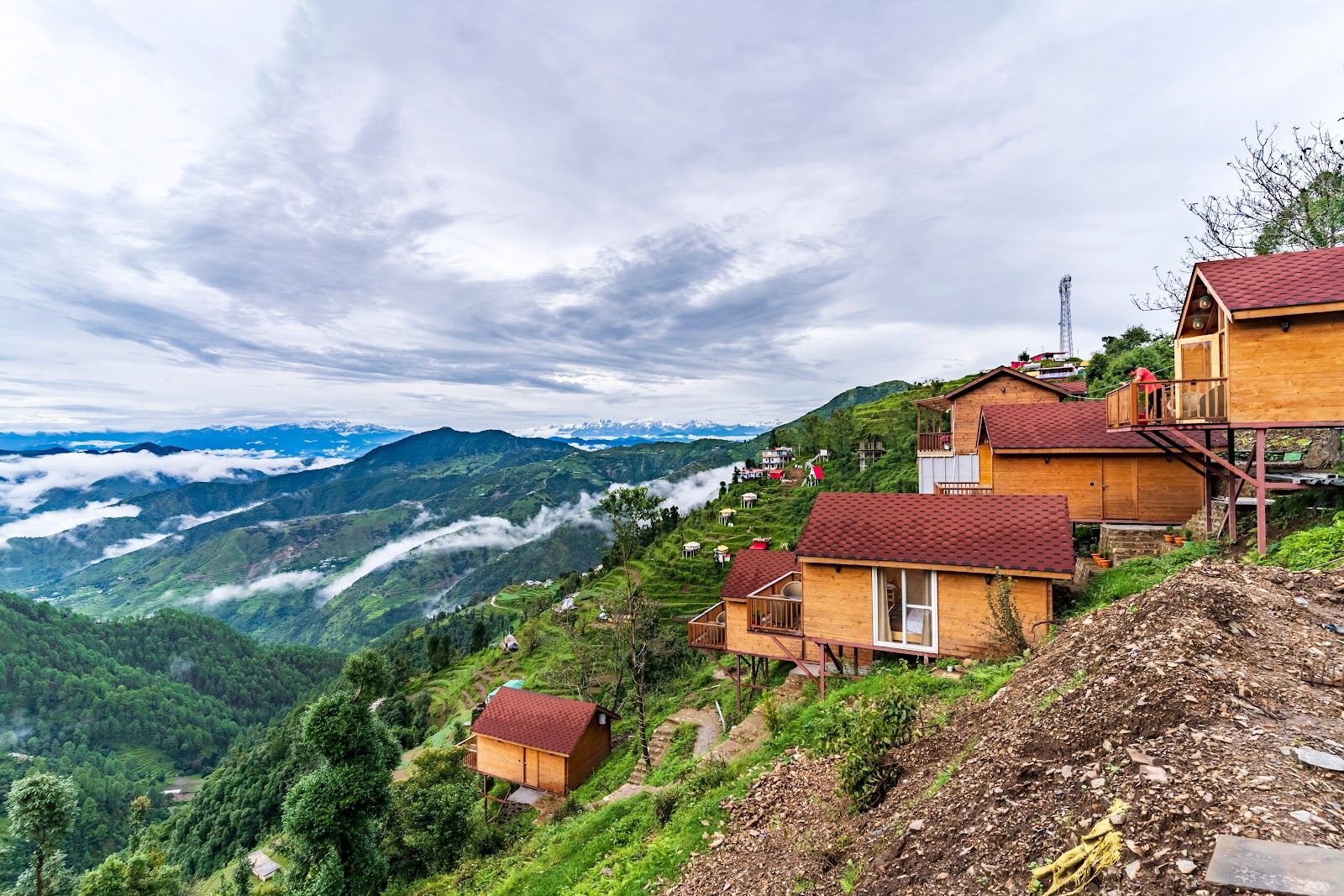
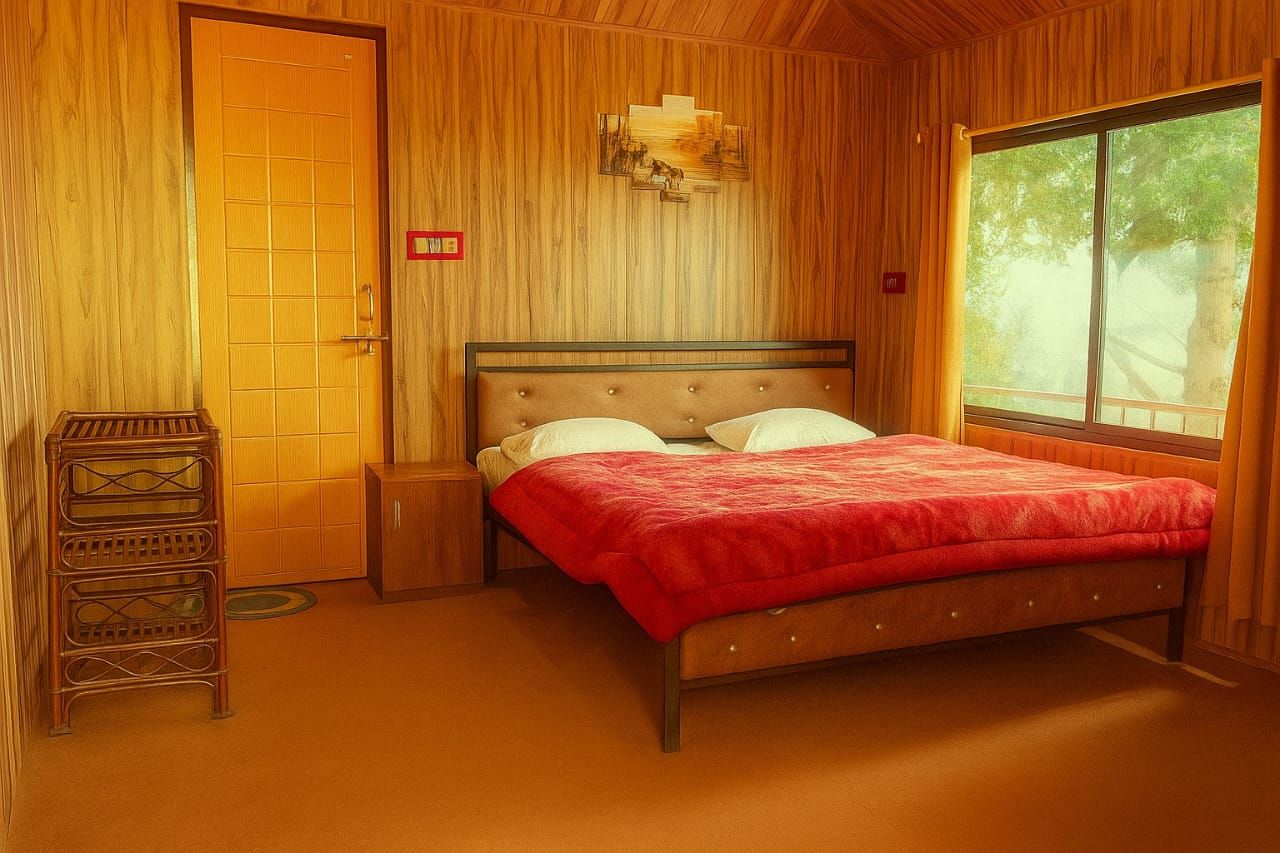
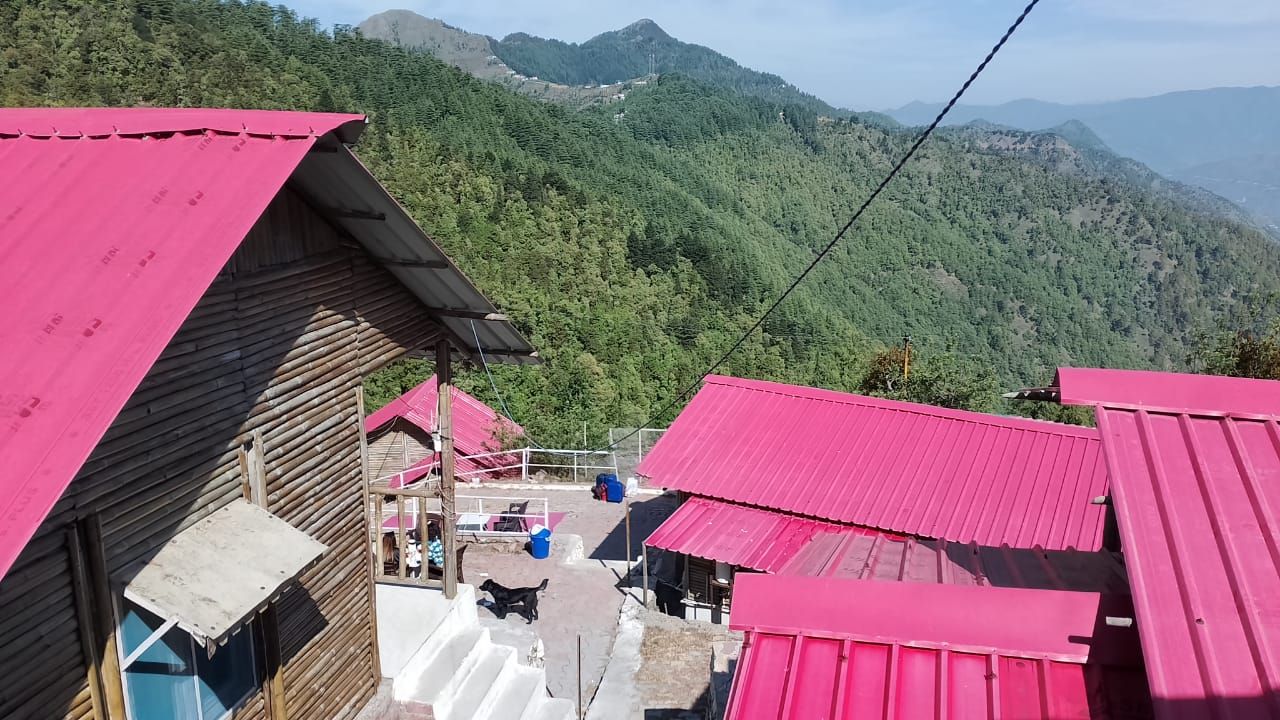
A calm gateway into the wilderness. A day spent well just admiring the scenery. The location is pleasant, away from traffic and noises. Humble staffs. Delicious food. Hoping to visit again when the mountains are blanketed in the snow.
Winter
Ganga Aarti at Triveni Ghat or Parmarth Niketan happens every evening in Rishikesh. The drive down to the river takes you to the ashram banks, where the fire ceremonies light up the water at dusk. Crowds gather on the steps, and the chanting echoes across the Ganga.
Tungnath and Chandrashila offer a steep four-hour climb from the Chopta base. This trail leads to the highest Shiva temple in the world. The path is paved for most of the way, and the summit offers unobstructed views of the major Garhwal peaks.
Valley of Flowers is a UNESCO heritage site accessible only from July to September. The trek starts at the Govindghat trailhead and requires a full day of walking. The monsoon rains bring thousands of alpine flowers to life across the high-altitude valley floor.
Auli provides skiing from December to March when the winter snows arrive. During the rest of the year, the slopes turn into wide oak and rhododendron meadows, good for day hikes and clear views of Nanda Devi.
Jim Corbett National Park is open from October to June. The Ramnagar gate serves as the entry point for tiger safaris in the lower foothills. The early morning open-jeep safaris take you through dense sal forests and riverbeds.
Mukteshwar Temple and Chauli Ki Jali sit on a cliff edge. The 350-year-old Shiva temple offers a quiet place to sit, with steep drops and wide valley views just behind it. The wind is always strong at the edge of the rocks.
The nearest airport is Jolly Grant in Dehradun, which serves the entire Garhwal region. Flights connect from major cities like Delhi and Mumbai. The drive up to the hills begins right from the tarmac, winding up through the lower mountains and pine forests to reach Dhanaulti.
The nearest railhead is Haridwar, the main train gateway for the Garhwal Himalayas. The station is always busy with travelers and pilgrims. Cabs and local taxis are available right outside the station for the long climb up to the home.
Rishikesh acts as the primary road hub for the area. It sits on the banks of the Ganga and serves as the starting point for most mountain routes. The town is full of ashrams, cafes, and rafting operators, making it a common stop before heading higher into the hills.
Chopta is another major road hub, located 220km from Haridwar. It acts as the base camp for the Tungnath trek and is often called a mini-Switzerland for its rolling green meadows and thick forests.
The region is open year-round overall, with each season changing the landscape. March through June brings clear skies and warm days, making it the best time for walking the pine trails and sitting out on the balconies. The mountain air stays cool even when the plains are hot.
July and August bring the heavy monsoon rains. The water washes the forests bright green and fills the rivers, but it also causes frequent landslides on the mountain roads. Travel during these months requires patience and flexible plans.
September through November offers crisp air and the sharpest mountain views of the year. The post-monsoon skies are completely clear, and the daytime temperatures are comfortable for long walks.
December through February brings deep cold and snow to higher altitudes. Places like Auli and Chopta often close due to heavy snowfall, and the roads can become icy. Dhanaulti itself often sees snow, turning the pine forests white and keeping guests close to the dining room heaters.