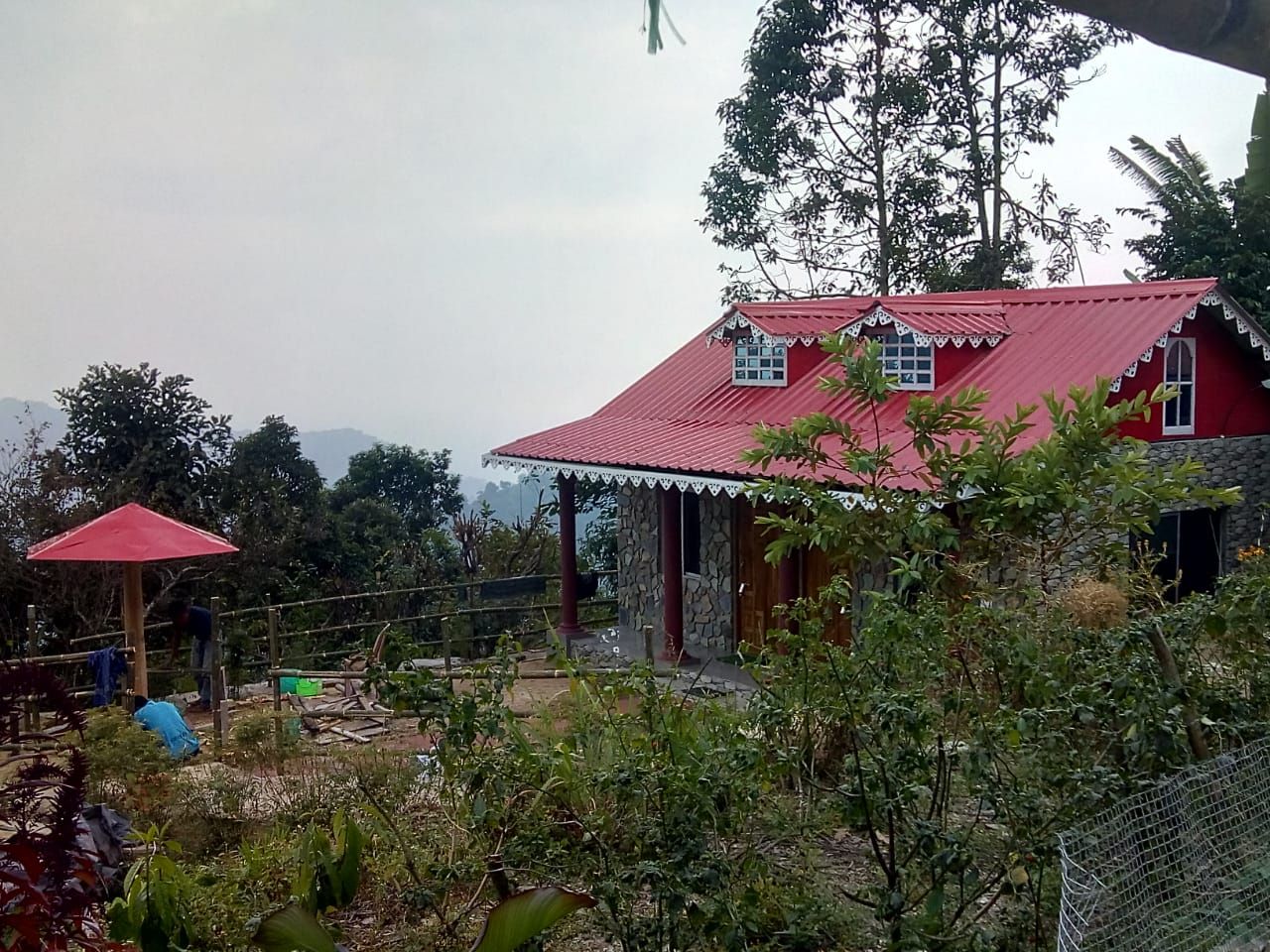
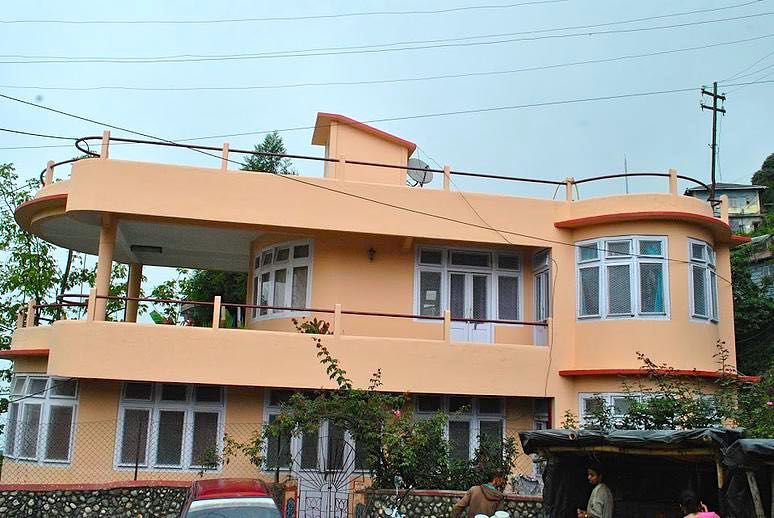
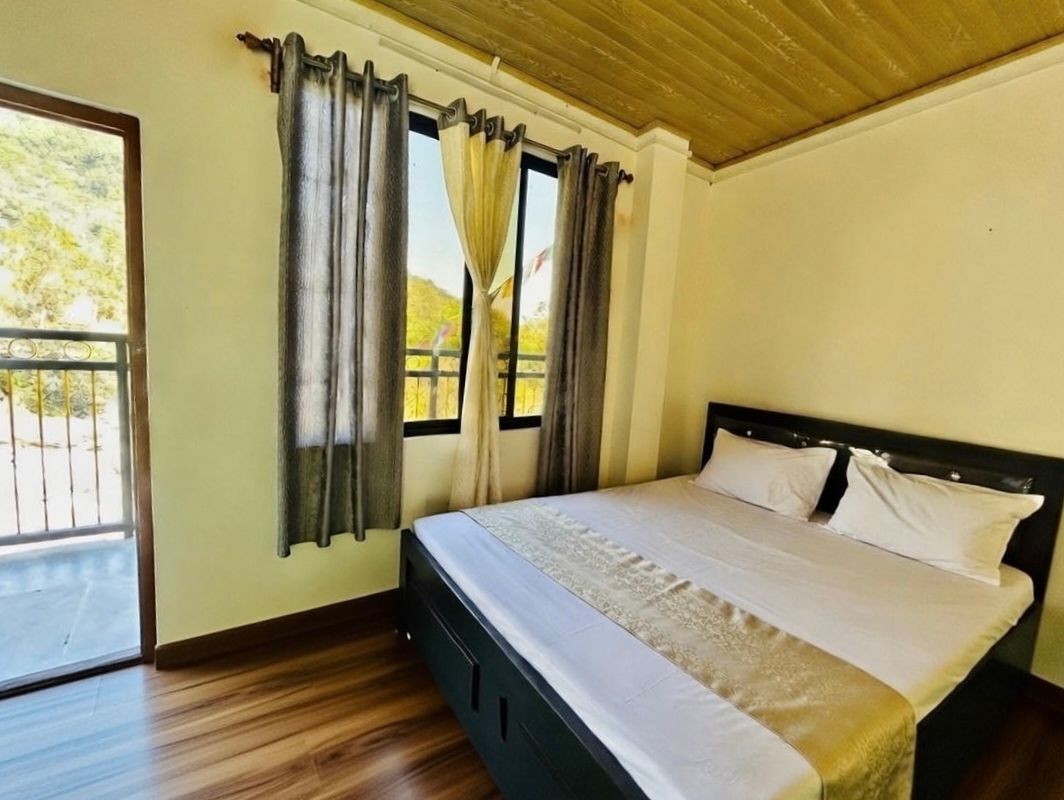
Valley View Homestay in West Bengal
4.9· 14 stays
Things to do nearby.
The home is a good point from which to explore the Darjeeling hills. Guests recommend hiring a car for day trips.
Tiger Hill is an 11km drive from Darjeeling town, famous for its sunrise views. On a clear morning, the first rays of light strike the peak of Kanchenjunga, turning it from gold to pink. It's an early start, but the view is worth it.
For a taste of the region's main industry, visit a working tea garden like Happy Valley or Glenburn tea estates. You can walk through the plantations, see the tea-plucking process, and often participate in a tasting session.
The Darjeeling Himalayan Railway, a UNESCO World Heritage site, offers a slow, scenic journey. The two-hour 'joyride' on the toy train from Darjeeling to Ghum and back is a popular way to experience the historic line and its engineering.
For serious trekkers, the Singalila ridge trek to Sandakphu is a multi-day hike that offers a rare panorama of five of the world's highest peaks: Everest, Lhotse, Makalu, Kanchenjunga, and Kabru.
In Darjeeling town, the Padmaja Naidu Himalayan Zoological Park is known for its conservation breeding programs for the red panda and snow leopard. It shares a campus with the Himalayan Mountaineering Institute (HMI), founded in the wake of Tenzing Norgay's Everest ascent.
Getting there.
By air: The nearest airport is Bagdogra (IXB), about 90km from Darjeeling. The drive takes around 3 hours via the scenic routes of Mirik or Kurseong.
By rail: New Jalpaiguri (NJP) is the main broad-gauge railhead for the region, located 88km from Darjeeling. It connects to major Indian cities. From NJP, you can hire a taxi or take a shared jeep up to the hills. The historic Darjeeling toy train also connects NJP to Darjeeling, but it's a much slower, scenic journey.
By road: Siliguri, 75km away, is the largest city in the plains and the main gateway to the hills. Shared jeeps and buses run frequently from Siliguri to Darjeeling, Kalimpong, and Mirik.
Best time to visit.
The best time to visit the Darjeeling and Kalimpong region is from October to mid-June. During these months, the skies are generally clear, offering crisp views of the Kanchenjunga range, and the weather is pleasant for sightseeing and trekking. The monsoon season, from late June to September, brings heavy rainfall, which can cause landslides and road closures on NH10 and the Pankhabari road. Travel during July and August is often disrupted.