Himalayan views from a Kausani homestay
कौसानी· 4.8 · 130 stays
Kausani sits in the Kumaon region, a good base for exploring the quieter side of the Western Himalayas.
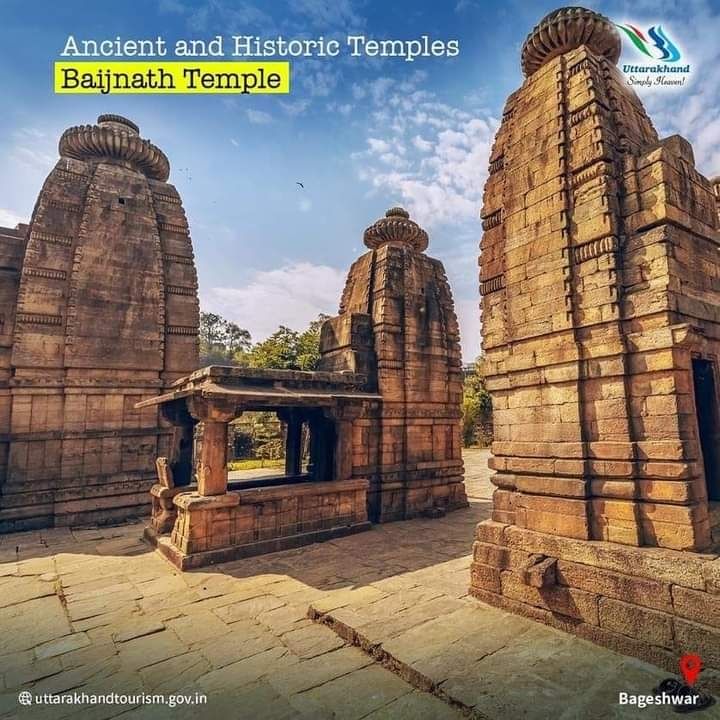
A short drive away is the Baijnath Temple complex in Bageshwar, a cluster of ancient stone temples dedicated to Shiva, dating back to the 12th century. It sits quietly on the banks of the Gomti river.
For wildlife, Jim Corbett National Park is a few hours' drive. The park is open from October to June, and safaris from the Ramnagar gate offer a chance to see tigers, elephants, and hundreds of bird species in their natural habitat.
Further afield, you can drive to Mukteshwar, a small hill town known for its 350-year-old Shiva temple and Chauli Ki Jali, a cliff edge with sweeping views of the valley below.
The Kumaon region is served by its own set of transport hubs, separate from the more crowded Garhwal routes.
By Air: The nearest airport is Pantnagar Airport (PGH). From there, it's a taxi ride of about 4-5 hours to Kausani.
By Rail: The closest major railhead is Kathgodam. It has good connectivity to Delhi and other major cities. Taxis are readily available at the station for the journey up to Kausani.
By Road: Kausani is well-connected by road. Nainital serves as the main road hub for the Kumaon region. You can drive or take a bus from major cities like Delhi, though the journey is long.
The mountains are beautiful year-round, but different seasons offer different experiences. The clearest skies and best mountain views are from March to June and again after the monsoon, from September to November. This is the ideal time for sightseeing and light treks.
The monsoon season, July and August, brings lush green landscapes but also heavy rain and a risk of landslides on the mountain roads. Winter, from December to February, is cold, and higher altitude destinations like Auli or Chopta (in Garhwal) are often closed by snow, but Kausani itself remains accessible.