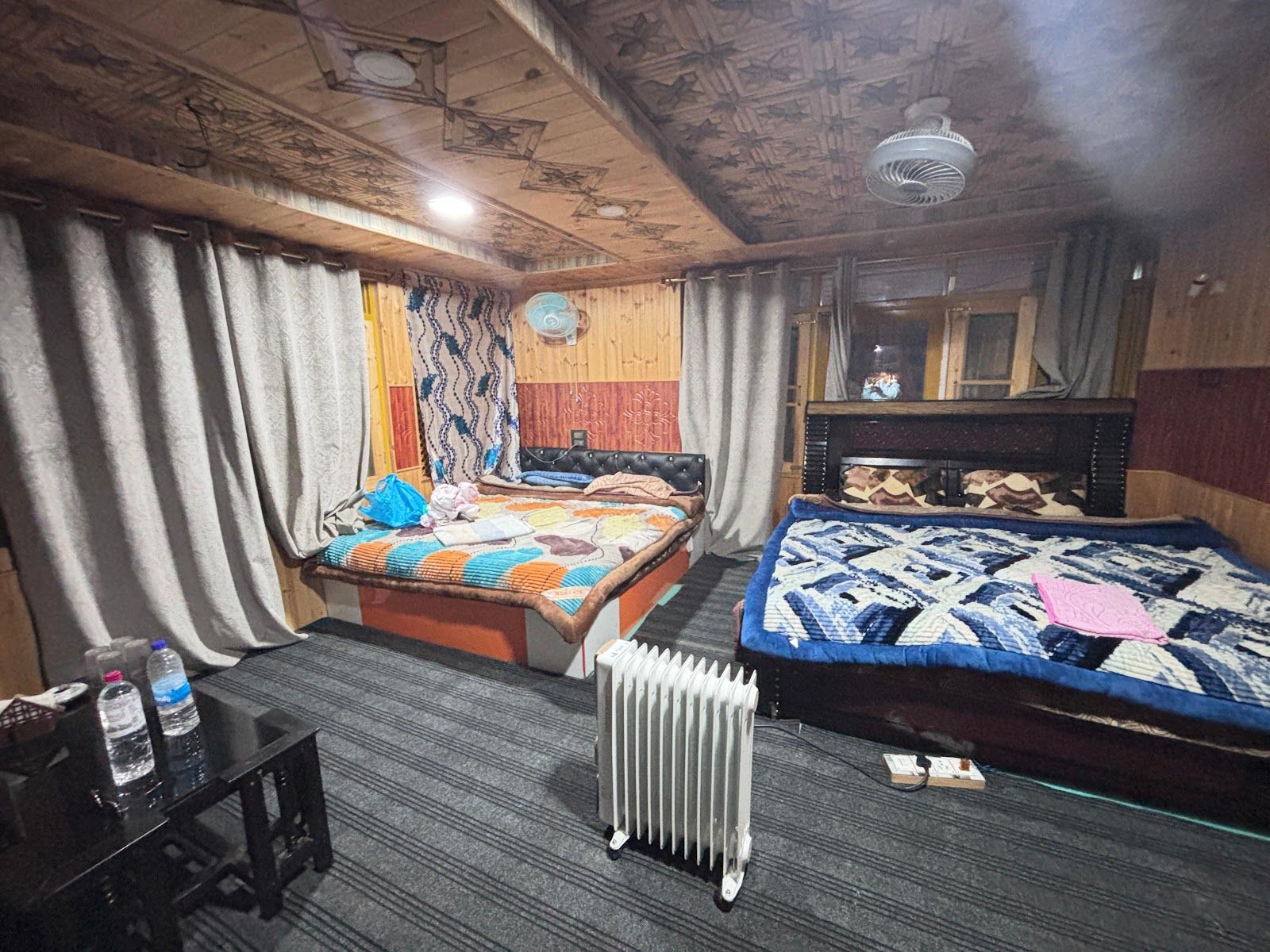
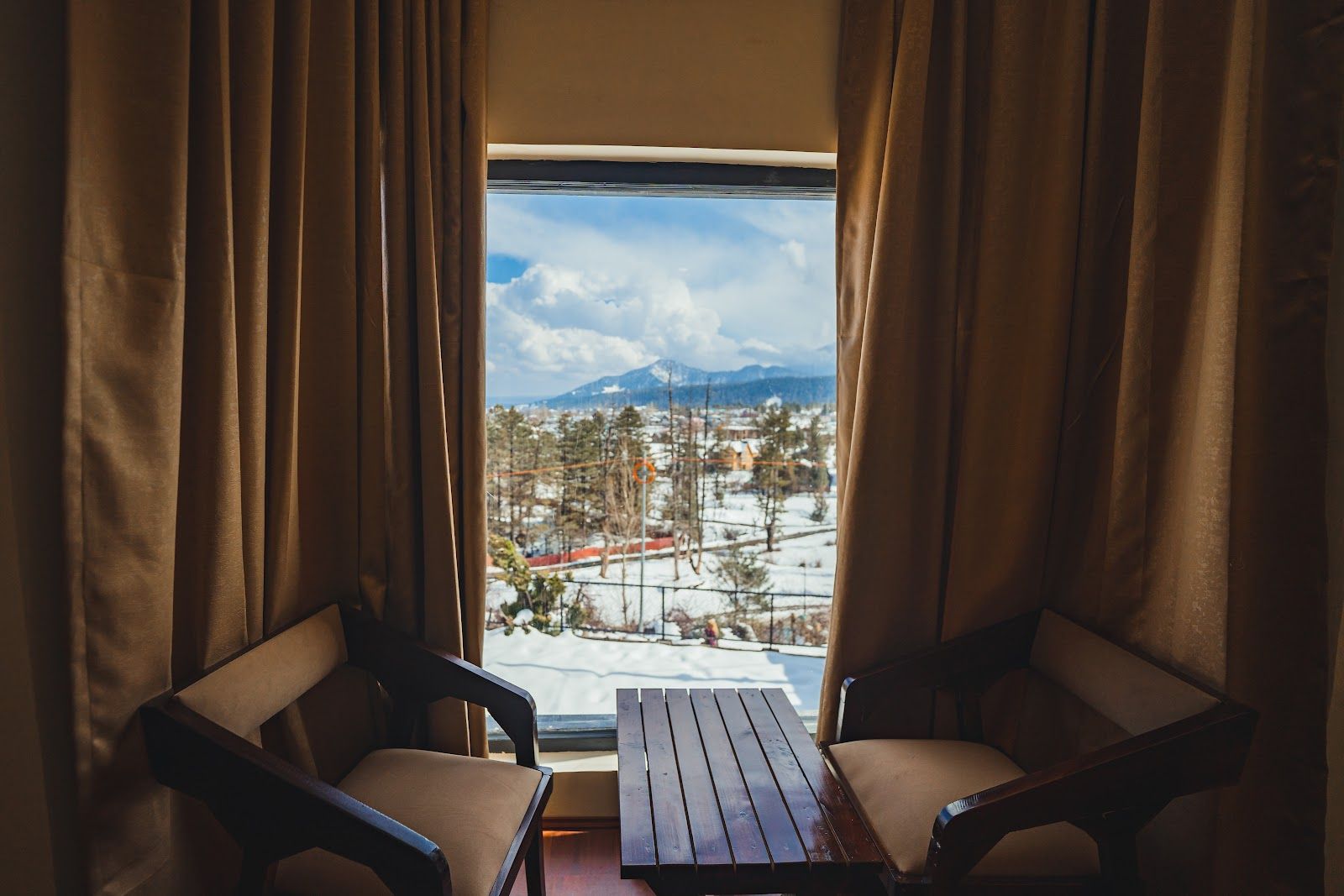
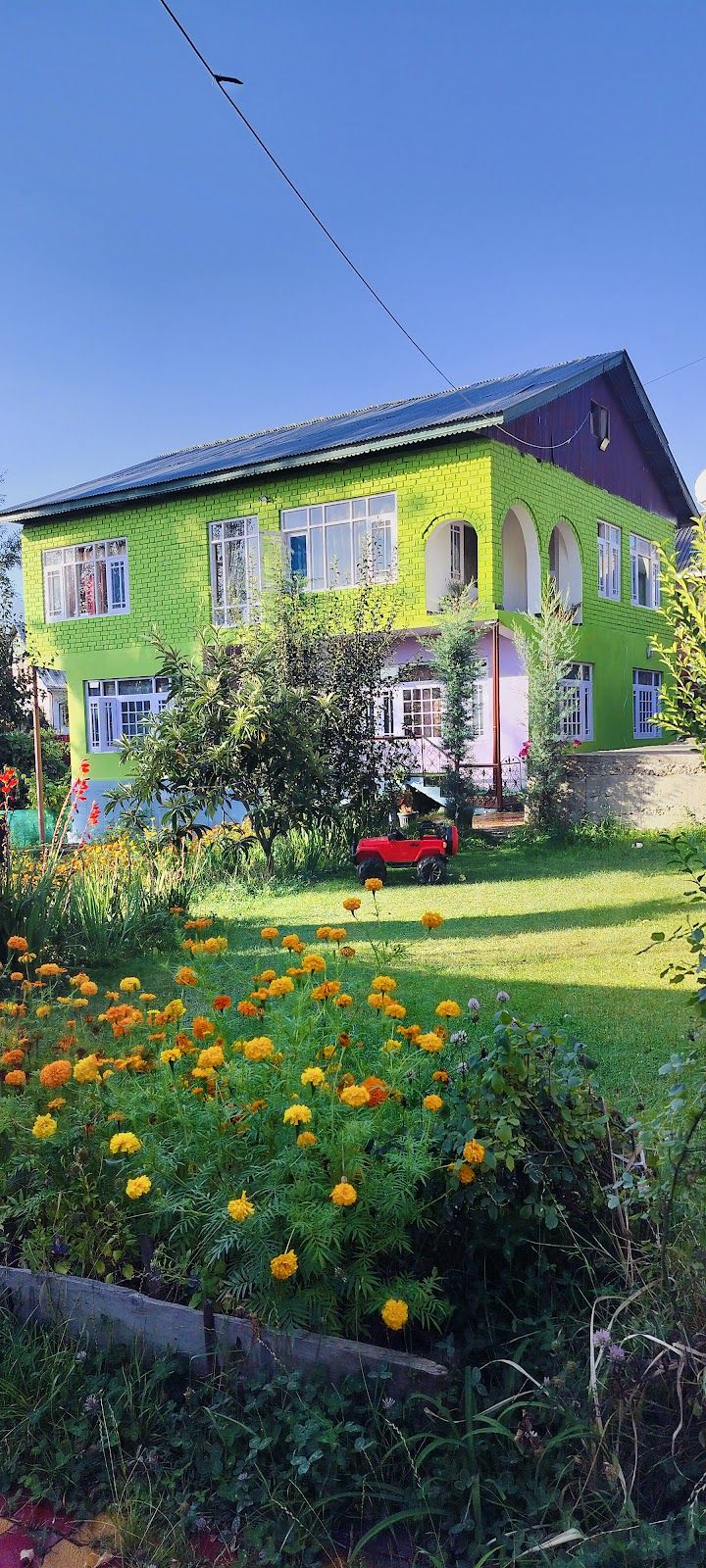
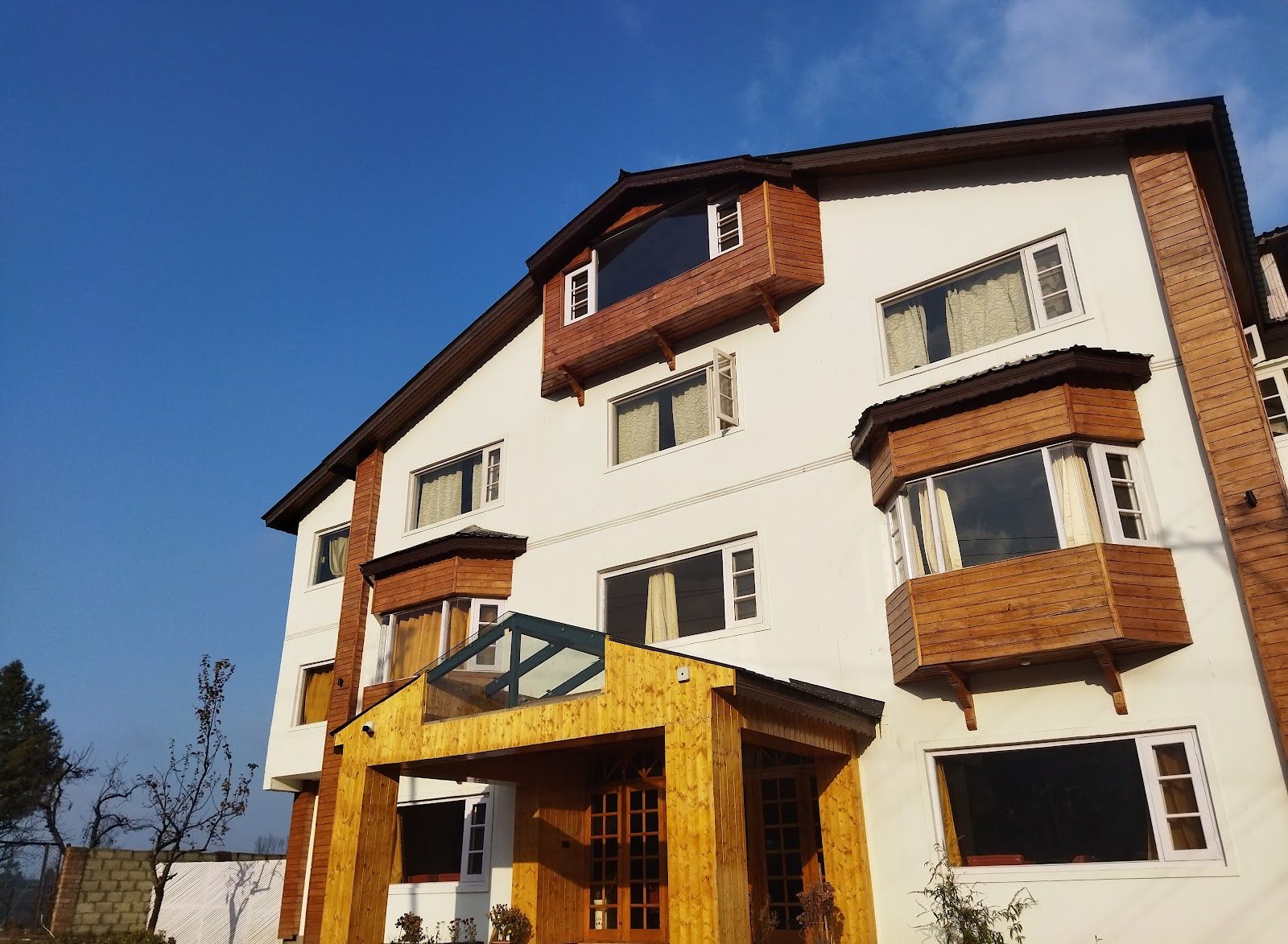
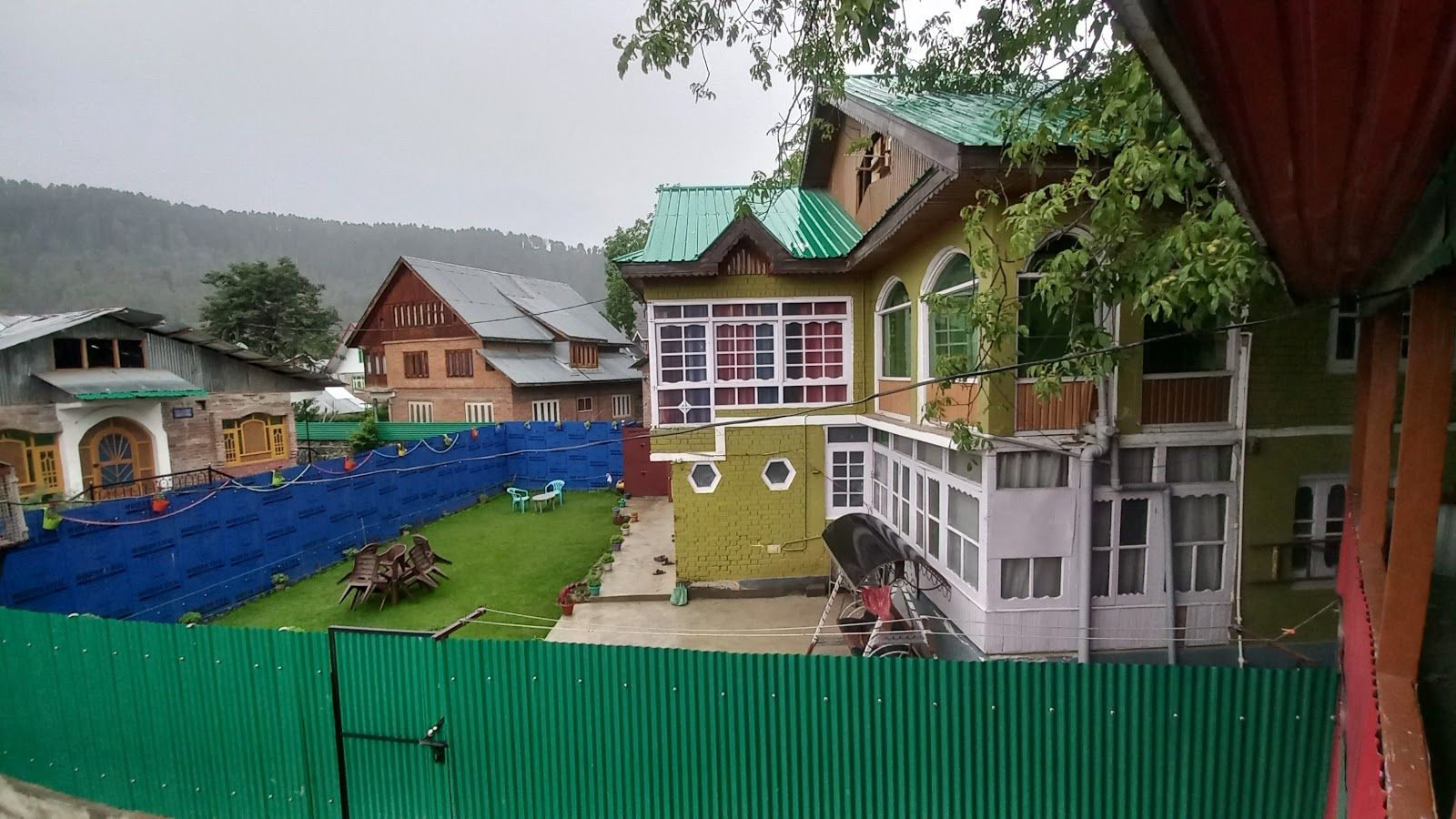
Had a wonderful stay at this property. The location is absolutely beautiful, surrounded by nature with stunning views that make the stay very peaceful and relaxing.
Waqar Khan
Dal Lake and shikara rides are a staple of the region. You can hire a traditional wooden boat to navigate the water, passing the iconic floating houseboats and watching daily life on the lake in Srinagar.
The Mughal gardens of Shalimar Bagh, Nishat Bagh, and Chashme Shahi offer terraced lawns and water channels. These historical sites are planted with vibrant flowers and ancient chinar trees, originally laid out in the seventeenth century.
The Gulmarg Gondola takes you up to 4,000 meters. This two-stage cable car is one of the highest in the world, carrying skiers in the winter and sightseers in the summer up to the high snow slopes.
Aru and Betaab valley sit about 10 kilometers past Pahalgam. These valleys are famous for their film locations, featuring clear streams, green meadows, and dense pine forests.
Sonamarg and the Thajiwas glacier provide a dramatic landscape. You can take a short trek from the main meadow of gold in Sonamarg up to the glacier, where snow remains even in the warmer months.
Srinagar Airport is the primary entry point for flights. It receives direct connections from major cities like Delhi, Mumbai, and Bengaluru. The drive from Srinagar to Gulmarg covers about 50 kilometers of winding mountain roads.
Jammu Airport serves as the alternate landing strip. It sits 290 kilometers from Srinagar and is typically used when weather conditions force flight diversions away from the valley.
Banihal is the nearest railhead, located 110 kilometers from Srinagar. It currently acts as the railway terminus until the Udhampur to Srinagar and Baramulla line is fully completed.
Srinagar acts as the main road hub and summer capital, home to the Dal Lake and Mughal gardens. Pahalgam is 95 kilometers from Srinagar, serving as the base for the Amarnath yatra in the Lidder valley. Sonamarg is 87 kilometers from Srinagar, acting as the gateway to the Zoji La pass.
April through June brings the spring bloom to the Kashmir Valley. The tulips and fruit blossoms open up, coloring the landscape before the heat of summer arrives. September and October offer the crisp air of autumn. The famous chinar trees turn deep shades of red and gold, scattering leaves across the gardens and valleys. December through February is the peak of winter. Heavy snow falls in Gulmarg and Pahalgam, burying the roads and lawns. This is the time for skiing, snowboarding, and sitting by the radiator watching the snowfall.