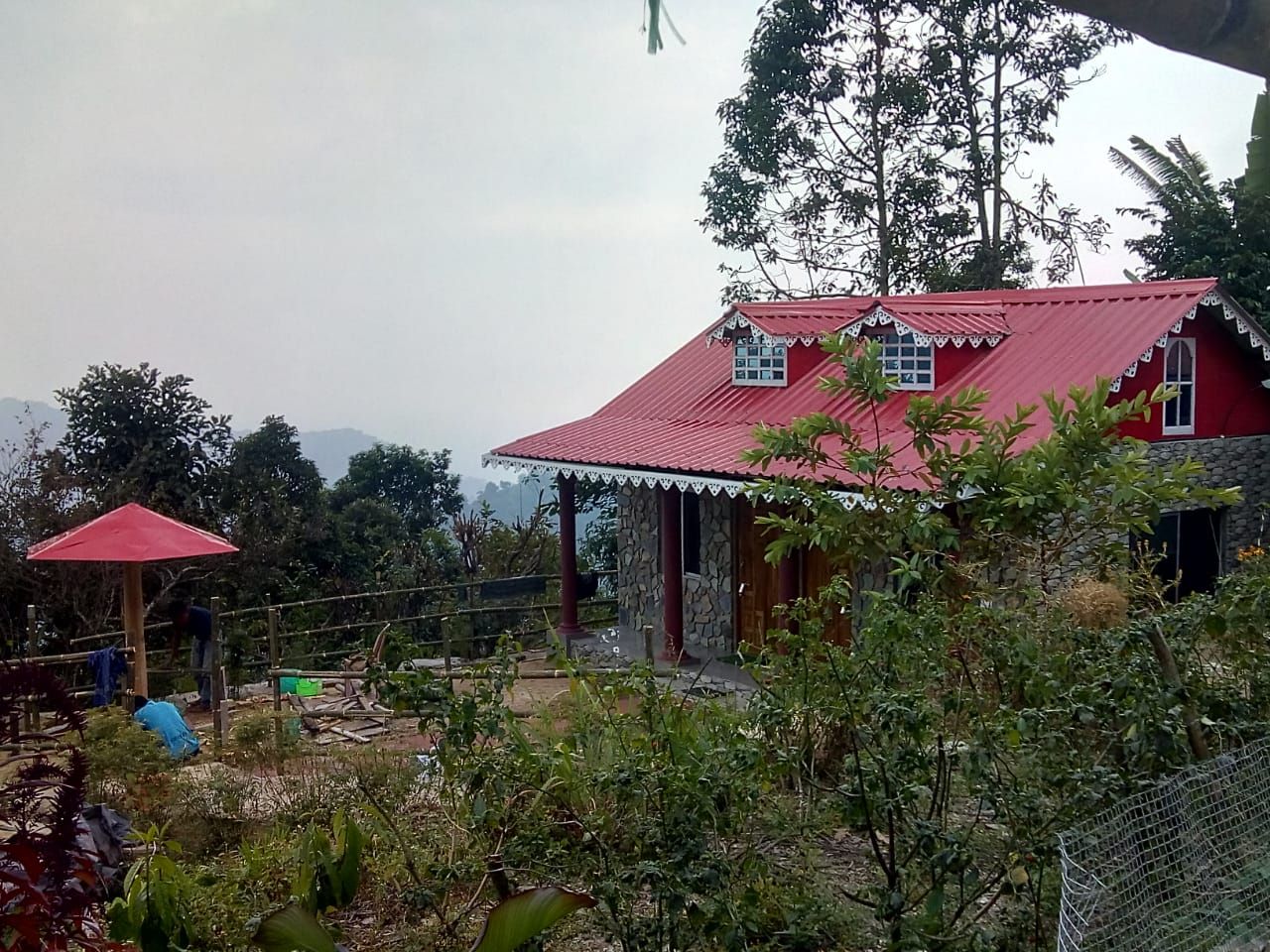
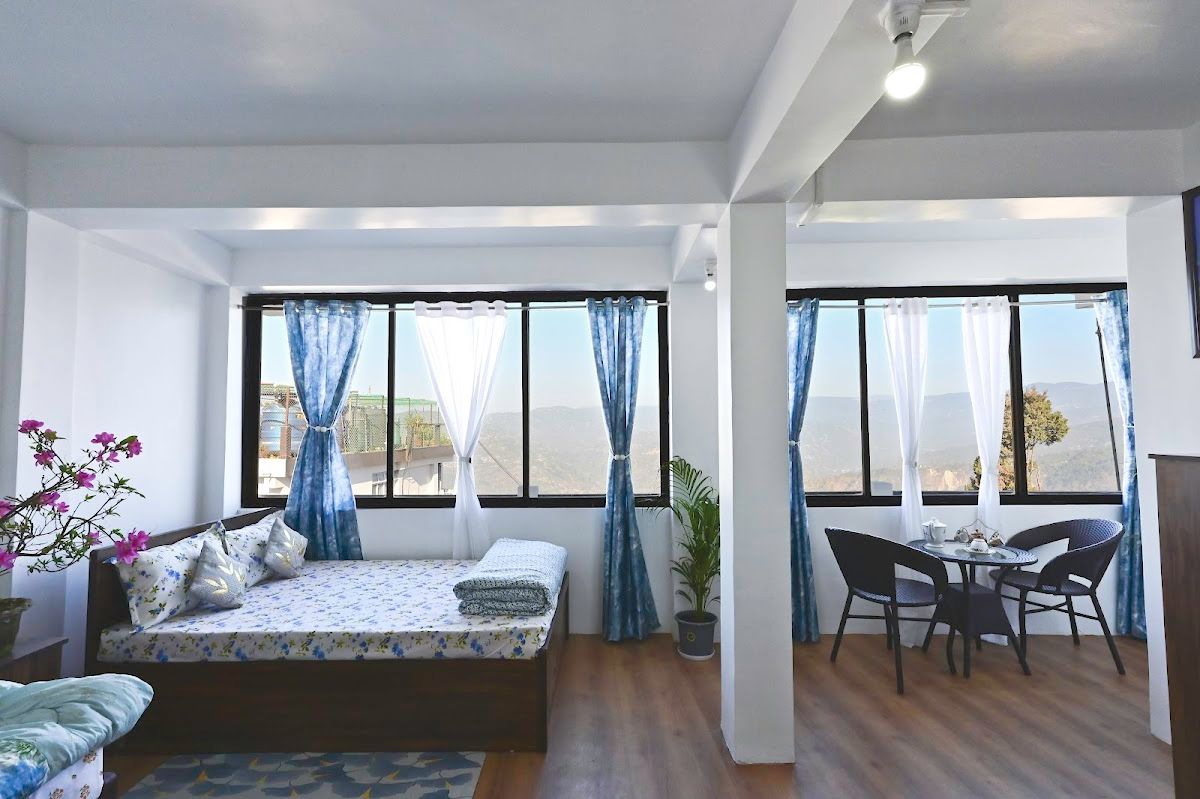
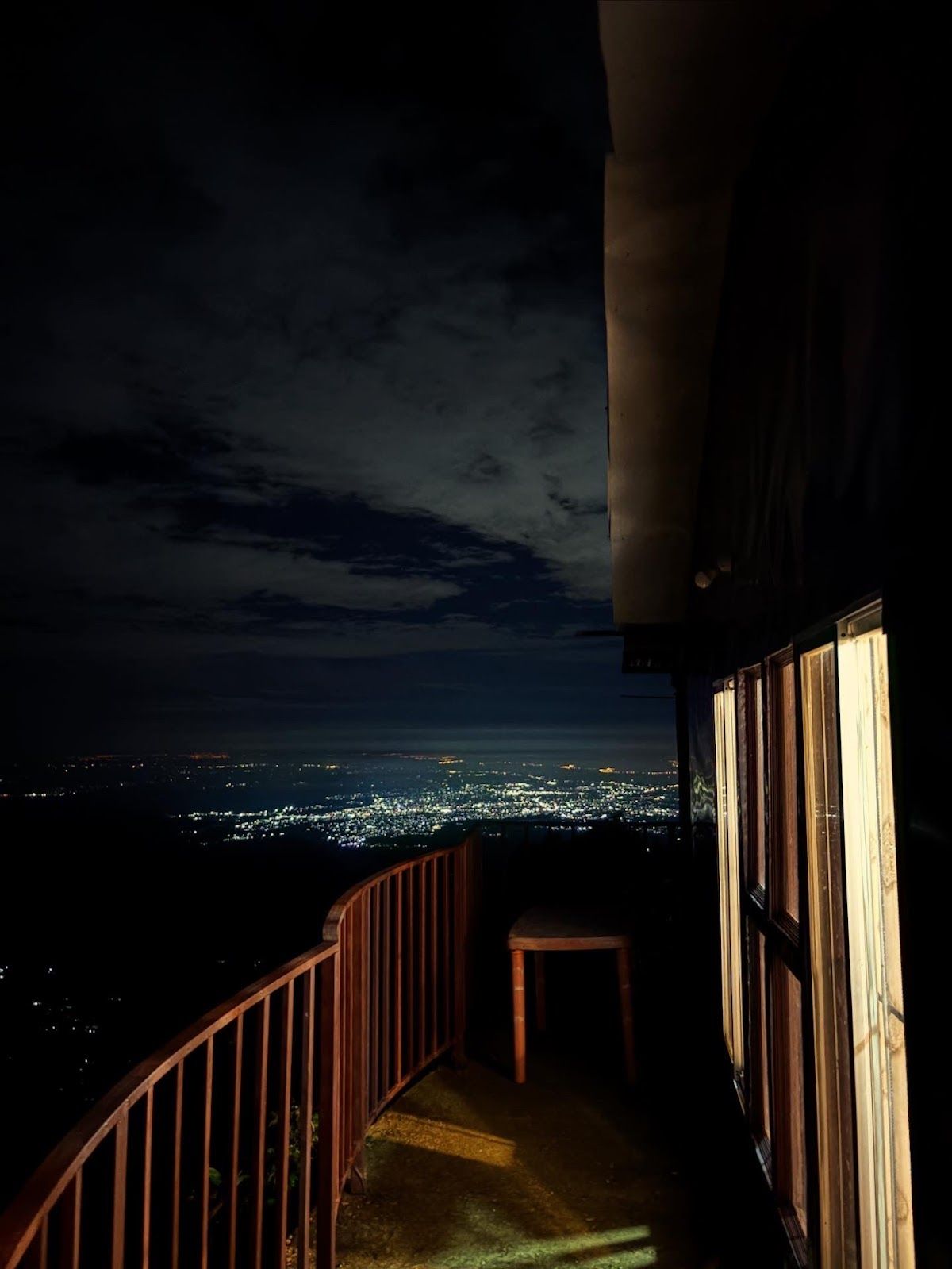
Darjeeling homestay with Kanchenjunga views
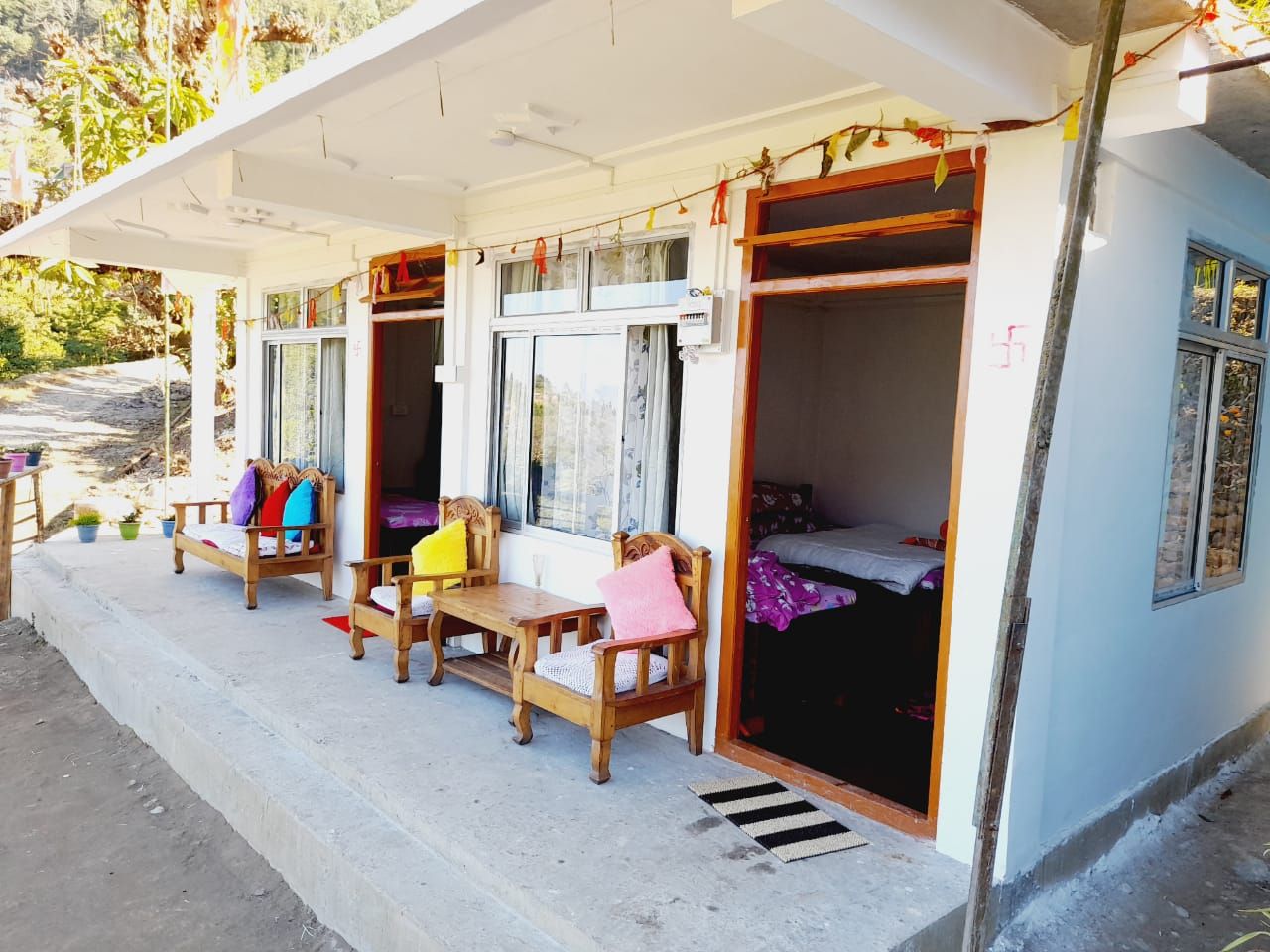
4.9· 25 stays
Things to do nearby.
The home is a good starting point for exploring the Darjeeling hills. You can hire a local car for day trips.
Tiger Hill sunrise is a classic Darjeeling experience. A car can take you the 11km from Darjeeling town to the viewpoint before dawn to see the first light hit the peak of Kanchenjunga, and on clear days, even Mount Everest.
Working tea estates like Happy Valley and Glenburn are nearby. You can walk through the gardens, see the tea-plucking and processing, and finish with a tasting session to understand the difference between first and second flush.
The Darjeeling Himalayan Railway, a UNESCO World Heritage Site, is worth it-do. The two-hour ‘joyride’ on the toy train from Darjeeling to Ghum and back is the most popular way to experience it, looping around the famous Batasia Loop war memorial.
For serious trekkers, the Singalila ridge trek starts from nearby. The trail leads to Sandakphu, famous for its view of five of the world's highest peaks: Everest, Lhotse, Makalu, Kanchenjunga, and Kabru. This is a multi-day trek requiring a guide and permits.
In Darjeeling town, you can visit the Padmaja Naidu Himalayan Zoological Park, known for its red panda and snow leopard conservation programs. It shares a campus with the Himalayan Mountaineering Institute (HMI), founded by Tenzing Norgay after his Everest ascent.
Getting there.
The nearest airport is Bagdogra (IXB), about 90km from Darjeeling. The drive up to the hills takes around 3 hours, either via the scenic route through Mirik or the main road through Kurseong.
The main broad-gauge railhead is New Jalpaiguri (NJP), located 88km from Darjeeling. It's the gateway to the entire region. From NJP, you can hire a private taxi or take a shared jeep. The historic toy train also runs from NJP to Darjeeling, but it's a slow, scenic journey that takes most of the day.
The main road hub in the plains is Siliguri, 75km away. This is where most buses and shared jeeps to Darjeeling, Kalimpong, and Mirik originate.
Best time to visit.
The best time to visit is from October to mid-June. The autumn months of October and November offer clear skies and the sharpest views of Kanchenjunga. Winter, from December to February, is cold but the views remain crisp. Spring, from March to May, sees the rhododendrons and magnolias in full bloom across the hills.
The monsoon season runs from late June to September. While the hills are lush and green, heavy rains can cause landslides, often leading to closures on the main highways like NH10 and the Pankhabari road. It's a risky time for travel.