Bamboo homestay in Mawlynnong, Meghalaya
4.3· 12 stays
Things to do nearby.
Mawlynnong itself is the main draw, famous for its cleanliness and community-led upkeep. You can spend a day just walking its lanes. Nearby, the Riwai sky walk is a viewpoint made of bamboo that looks out over the plains of Bangladesh.
The region is famous for its living root bridges, built by the Khasi people. The most well-known is the double-decker bridge in Nongriat village, which requires a steep descent of about 3,500 steps to reach. It's a full-day trek, so start early.
About an hour's drive away is the town of Cherrapunji (Sohra), home to several caves like Mawsmai and Krem Phyllut. These are limestone caves you can explore with a guide. Close to Cherrapunji is Nohkalikai Falls, India's tallest plunge waterfall at 340 metres. It's most powerful during the monsoon.
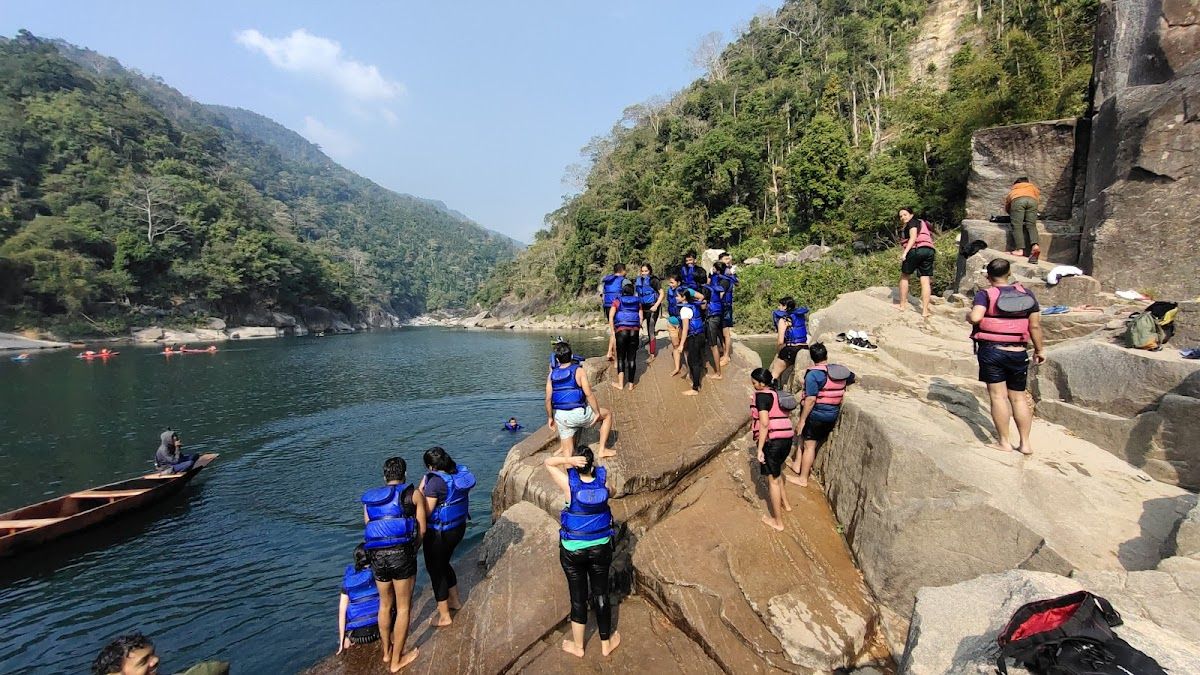
The Umngot river in Dawki, on the border with Bangladesh, is about an hour from Mawlynnong. Between January and March, the water is so clear it looks like boats are floating in mid-air. You can hire a boat for a short ride on the river.
Getting there.
By Air: The nearest major airport is in Guwahati (GAU), about 170 km away from Mawlynnong. It’s a 4-5 hour drive by taxi. Shillong’s Umroi Airport (SHL) is closer, about 90 km away, but has limited flights, mostly connecting through Kolkata.
By Rail: The nearest major railway station is Guwahati. From there, you will need to hire a taxi or take a shared vehicle for the rest of the journey to Mawlynnong. There is no rail connectivity within Meghalaya.
By Road: Mawlynnong is well-connected by road. It is about 80 km from Shillong, a drive of around 2.5-3 hours. The roads are winding but generally in good condition. Taxis are readily available from Shillong and Guwahati.
Best time to visit.
The best time to visit is from October to April, when the weather is dry and pleasant. The skies are clear, and it’s the ideal season for trekking to the root bridges and boating on the Umngot river.
The monsoon season, from June to September, brings some of the heaviest rainfall in the world to this region. The landscape becomes incredibly green and the waterfalls are at their most powerful. However, heavy rain can sometimes cause travel disruptions, and some caves or trails may be closed.