Atlas/meghalaya/Homestay in Nongriat, after the 3,500 steps.
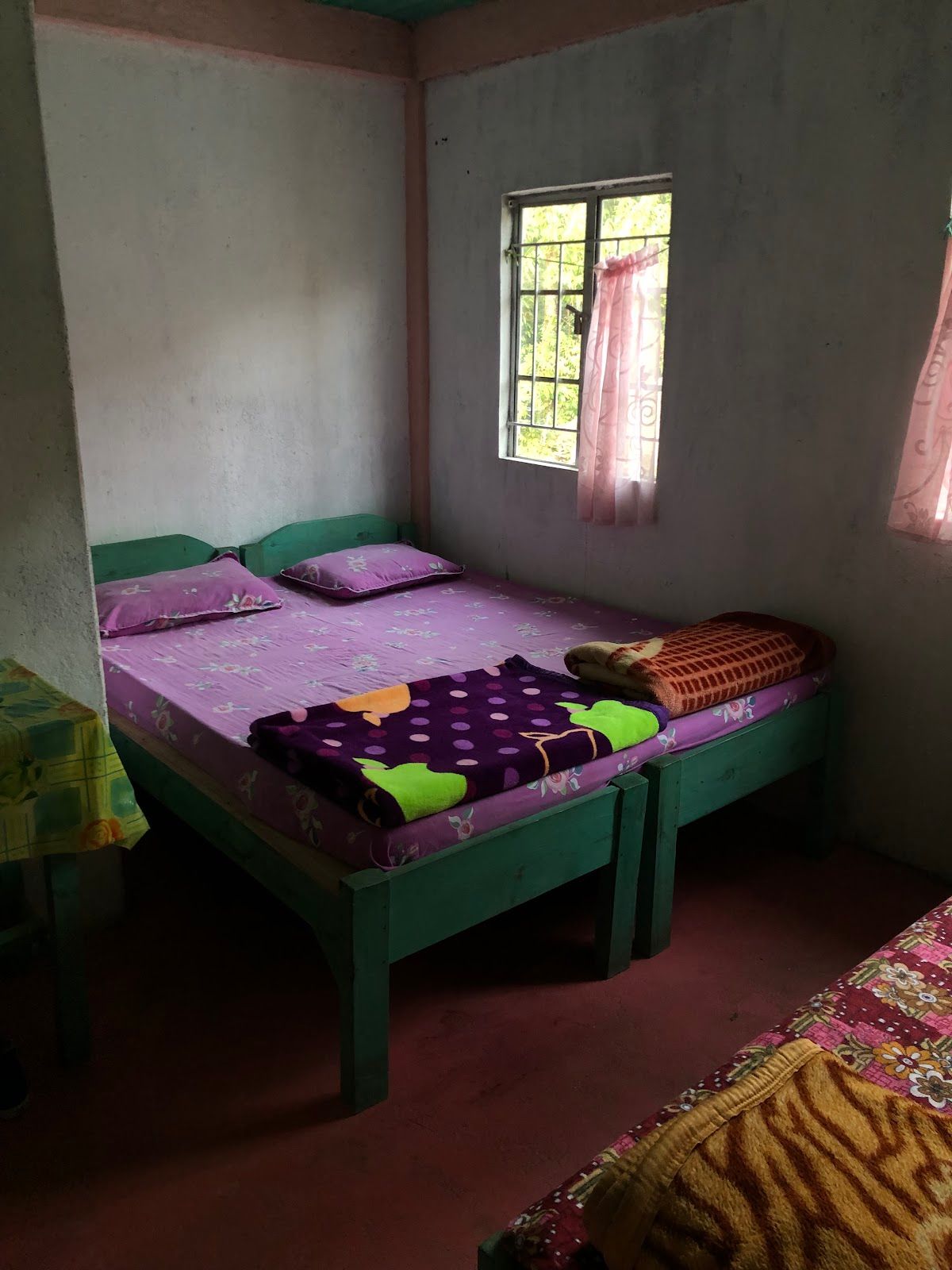
Homestay in Nongriat, after the 3,500 steps.

Nongriat· 4.7 · 5647 stays
Homestay in Nongriat, after the 3,500 steps. in Nongriat, meghalaya, hero photo
Experience authentic hospitality in Meghalaya. Our homestay offers a warm, homely atmosphere, perfect for unwinding after exploring the local sights. Enjoy delicious, home-cooked meals prepared with fresh ingredients. Located just a short walk from the famous Double Decker Living Root Bridge, you can experience its beauty without the crowds. We provide all essential amenities for a comfortable stay. Connect with your host over a guitar session and create lasting memories. We ensure a safe and welcoming...
4 bedroomsSleeps 21 beds1 bathsHomestay
A look around
What's here
The last of the stone steps ends. You hear the sound of the stream nearby, the forest all around. This home is a simple base in Nongriat village, a place for trekkers to rest their legs. The rooms are plain. The focus is outside - on the trail, the bridges, the natural pools. It's a place to sleep after a long day's walk and wake up in the heart of the valley, ready for the steep climb back out. The journey to get here is the reason to come. As one visitor noted, "The trek itself was the real highlight. It was physically demanding with endless steps and at times mentally challenging too but that’s what made it special." The experience is about earning the view, not just seeing it. Another guest described it as "a once-in-a-lifetime experience that perfectly represents Meghalaya’s deep connection with nature." This is not a resort. It is a simple shelter, close to one of India's natural wonders.
What guests wrote

4.7· 5647 stays

Visiting the Double Decker Living Root Bridge was one of the most unforgettable experiences in Meghalaya. This extraordinary bridge has been grown naturally from the roots of rubber fig trees over generations by the Khasi people, showcasing brilliant sustainable engineering. The trek down to Nongriat village is challenging with steep steps, but the reward is...
Rahul Dev
Very hectic, tiring. Real test of stamina while climbing back. Shops are available for water, snacks throughout. So don't carry anything. Stay as light as possible. Take sticks. Washrooms are available throughout. There are 3-4 beautiful things over the journey: the bridge, the water stream, the small waterfall, and the blue lagoon 1. Take guide - they will ...
Pankaj Toshniwal
The Double Decker Living Root Bridge at Nongriat is not just a tourist attraction—it’s a once-in-a-lifetime experience that perfectly represents Meghalaya’s deep connection with nature. Consistently praised in older reviews as one of the most unique natural wonders in India, this living bridge truly lives up to its reputation. Formed over generations by gui...
Sowbhagiyanathan selvaraj
The Double Decker Living Root Bridge in Nongriat, near Cherrapunji, is one of Meghalaya’s most extraordinary natural wonders and a true testament to the harmony between humans and nature. Formed by the interwoven roots of ancient rubber trees, this two-level bridge is a living structure that has strengthened over hundreds of years, growing more resilient wit...
Rick Das
Where you are

Cherrapunji.

locally, Sohra

The wettest inhabited place on Earth — living root bridges, waterfalls and clouds that come indoors in the Khasi Hills.

Best time
Oct–Apr; Jun–Sep for full-flow falls
Nearest airport
Guwahati (GAU), ~150 km
Nearby
Nongriat root bridges · Mawlynnong · Dawki
Approximate location · exact address shared after booking
Around the stay

Things to do nearby.

The main activity is the trek itself, but the Khasi Hills hold more. The living root bridges are the highlight. The most famous, the Nongriat double-decker bridge, is a short walk from the village. It requires a descent of over 3,500 stone steps from the road head at Tyrna. Start early and carry water.

Near Cherrapunji, you can explore the Mawsmai and Krem Phyllut caves. These limestone cave systems are well-lit for visitors but can be slippery. A guide is recommended.

Further afield, the Umngot river at Dawki is about a 3-hour drive from Cherrapunji. Between January and March, the water is famously clear, giving the feeling of floating on glass.

Mawlynnong, often called Asia's cleanest village, is a small Khasi settlement with manicured paths and a strong community focus on cleanliness. Nearby, the Riwai sky walk offers views from a bamboo platform.

Nohkalikai Falls, India’s tallest plunge waterfall at 340 meters, is a powerful sight, especially during or just after the monsoon.

Logistics

Getting there.

The journey to Meghalaya requires multiple stages. The nearest major airport is Lokpriya Gopinath Bordoloi International Airport in Guwahati (GAU), Assam, about 100km from Shillong. From Guwahati, it's a 3-hour drive to Shillong. A smaller airport is at Umroi, near Shillong (SHL), with limited flights, mostly from Kolkata.

The nearest major railway station is also in Guwahati. There is no rail connectivity within Meghalaya.

From Shillong, the state capital, it is a 53km, 2-hour drive to Cherrapunji (Sohra). The road to Nongriat's trek starting point at Tyrna is narrow and winding. Local taxis are the best way to get there. The final leg is on foot, down the 3,500 steps into the valley.

Seasons

Best time to visit.

The best time to visit is from October to April. The weather is dry, the skies are clearer, and the trekking paths are safer. The monsoon, from June to September, is intense. The region receives some of the highest rainfall on earth, turning everything a brilliant green. While beautiful, the trails become extremely slippery and dangerous, and some caves and waterfalls may be closed.

Before you book

The fine print, written plainly.

Frequently asked

The questions travellers ask.