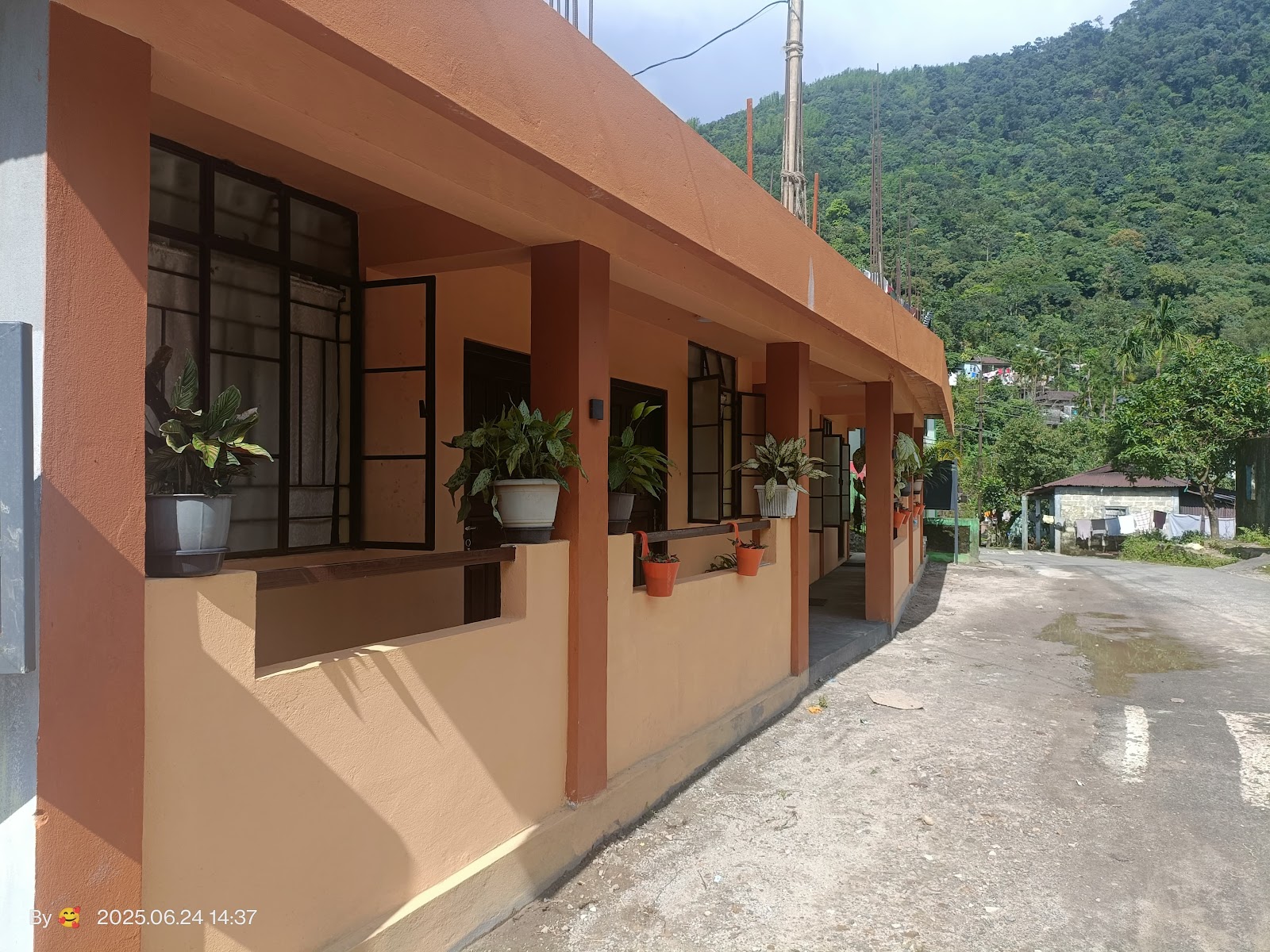
Root bridge trek homestay in Tyrna, Meghalaya
4.7· 178 stays
Things to do nearby.
The Double Decker Living Root Bridge in Nongriat sits directly down the valley from the home. The trail begins steps from the driveway, descending 3,500 stone steps into the tropical forest. Starting early in the morning allows you to walk before the heat sets in, reaching the root structures over green river pools.
Mawsmai Cave and Krem Phyllut cave sit near Cherrapunji, a short drive up the main road. These natural limestone caves feature narrow passages and stalactites, requiring sturdy footwear to explore.
The Umngot River at Dawki lies 95km southeast towards the Bangladesh border crossing. Between January and March, the river water remains crystal clear, creating the impression that boats are suspended in mid-air.
Mawlynnong village and the Riwai sky walk lie along the same southern ridge route. Known for swept stone pathways and flower gardens, the village offers a clear look at local Khasi village design.
Nohkalikai Falls drops 340 meters off the cliff head near Sohra, marking the tallest plunge waterfall in India. Viewing points along the plateau overlook the deep pool at the canyon floor.
Getting there.
Guwahati Airport (GAU) is the primary flight destination, located 100km from the stay. The drive takes approximately three hours by road through Shillong and down the Sohra highway. Shillong Umroi Airport (SHL) is 30km from Shillong with selective regional flights from Kolkata.
Guwahati Railhead is the nearest major railway terminal, situated 100km away. Shared and private cabs run regularly from Guwahati station up into the Khasi Hills.
Cherrapunji (Sohra) sits 53km from Shillong, connected by a two-hour drive along winding mountain routes. Tyrna village sits at the end of the paved road, where vehicles park before the valley trail descent.
Best time to visit.
October through April brings dry weather, clear blue skies, and cooler night air across the hills. Daytime temperatures remain comfortable for walking down the Nongriat stairs and exploring cave networks.
June through September brings monsoon rains exceeding 10,000mm across the plateau. Waterfalls run full and the forests turn deep green, though stone steps become wet and require careful footwork.