Family guest house in Lad Rymbai, Meghalaya
4.2· 9 stays
Things to do nearby.
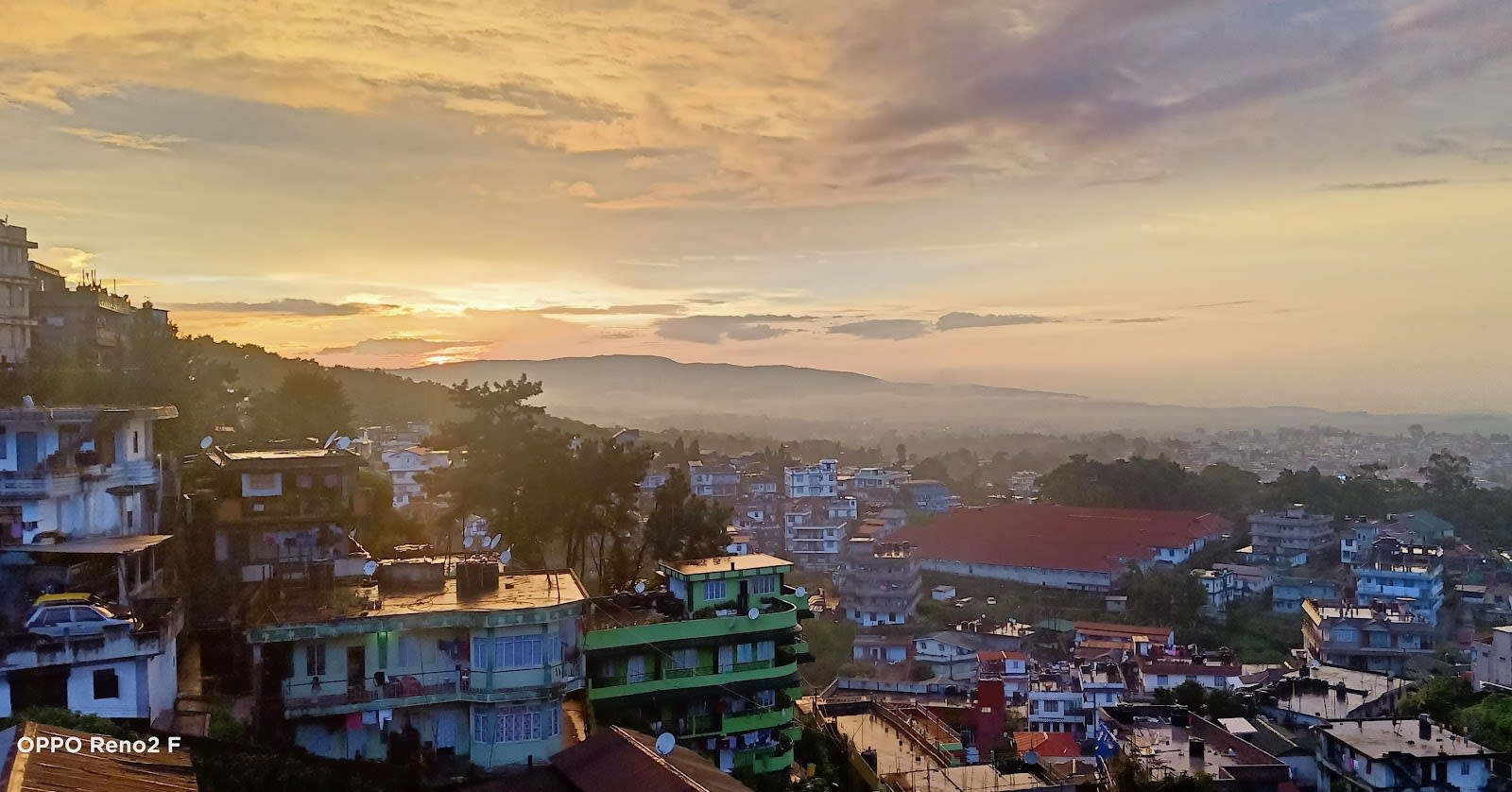
Lad Rymbai is in the Jaintia Hills, placing you in a different part of Meghalaya than the popular Shillong-Cherrapunji circuit. This gives you closer access to the sights of this region.
The Umngot river at Dawki is about a 2-3 hour drive away. The water here is famously clear, especially from January to March, allowing you to see the riverbed stones from your boat. It’s a popular spot for boating and a glimpse across the border into Bangladesh.
While the more famous attractions of the Khasi Hills are further, they can be visited on a long day trip. Nohkalikai Falls, India's tallest plunge waterfall, is a powerful sight, especially in the post-monsoon months. The living root bridges, particularly the double-decker bridge in Nongriat, require a significant trek of over 3,500 steps down into a valley. The Mawsmai and Krem Phyllut caves near Cherrapunji offer a glimpse into the vast cave systems of Meghalaya. Mawlynnong, known as Asia's cleanest village, is a small, well-kept community with a sky walk made of bamboo.
Getting there.
The nearest major airport and railhead is in Guwahati, Assam (GAU), about 100km from Shillong. From Guwahati, it’s a 5-6 hour drive to Lad Rymbai. The smaller Shillong airport at Umroi (SHL) is closer but has limited flight connectivity. From either airport, it's best to hire a private taxi for the entire duration of your trip for easy travel between sights. Lad Rymbai is located on the main highway connecting Shillong to Silchar.
Best time to visit.
The best season to visit the Khasi and Jaintia Hills is from October to April, when the weather is dry and the skies are generally clear. The monsoon, from June to September, brings some of the world's heaviest rainfall, with over 10,000mm. During this time, some waterfalls and caves may be closed, but the landscape is intensely, vividly green.