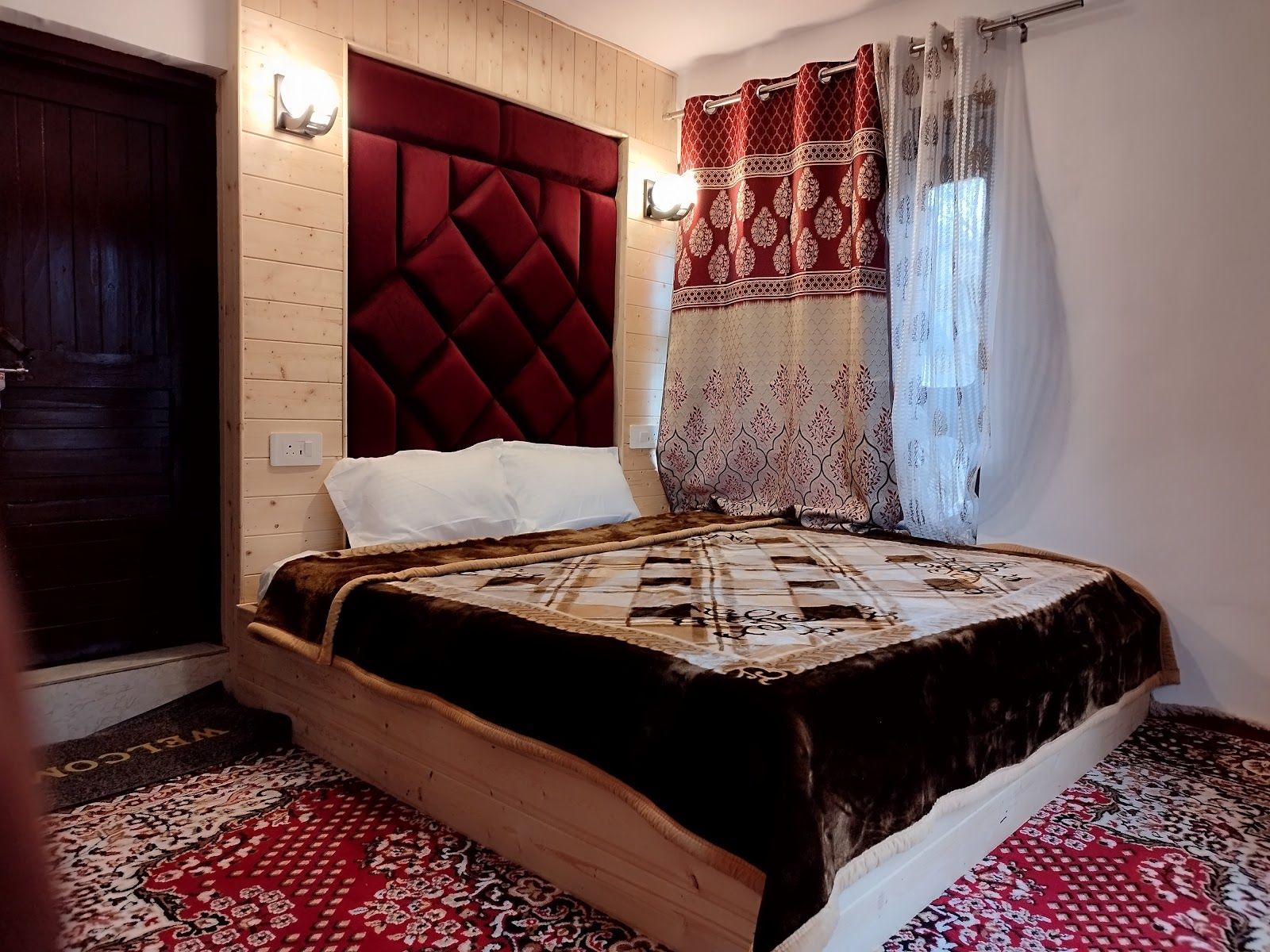
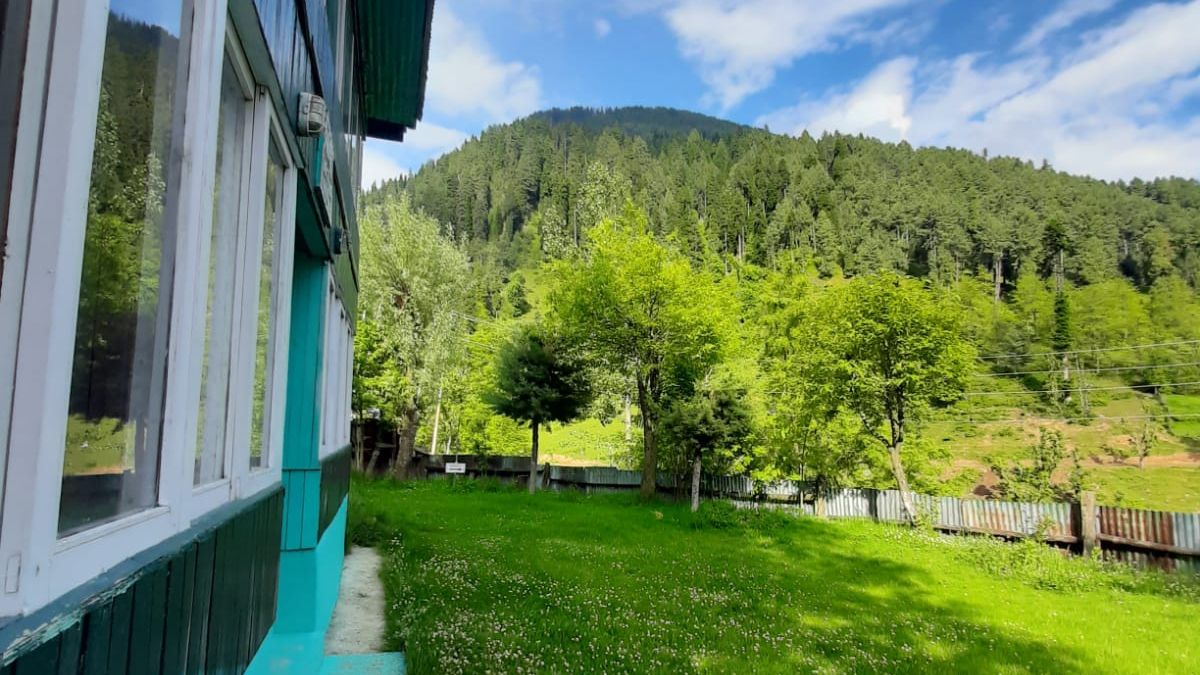
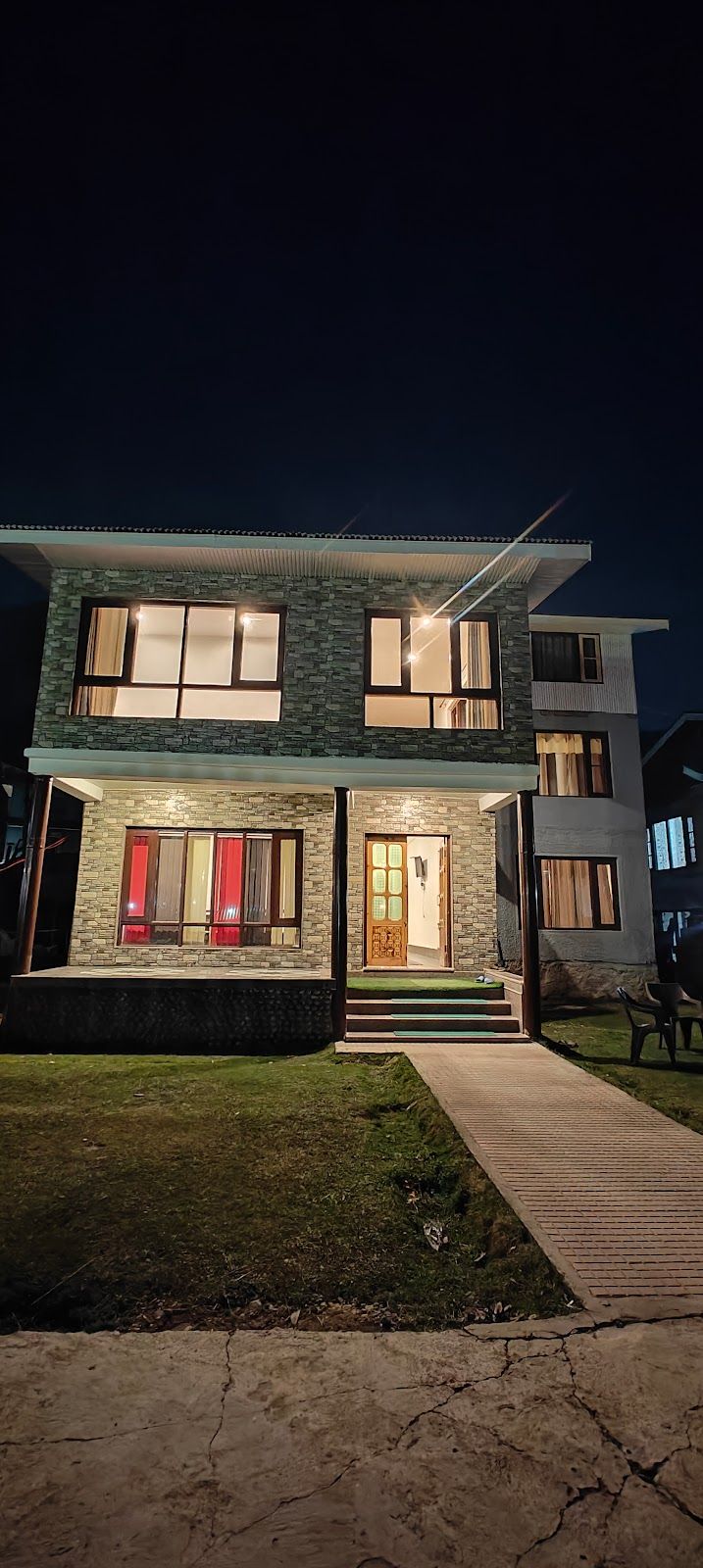
Pahalgam house with Kashmiri food & valley views
4.8· 105 stays
Things to do nearby.
Pahalgam is a base for some of Kashmir's most beautiful high-altitude meadows and lakes. The Lidder River flows right through the town, good for quiet walks and trout fishing.
Aru Valley is a 12-kilometre drive away. It's a wide meadow surrounded by pine forests at an altitude of 2,400 metres. This is also the starting point for the trek to the Kolahoi glacier.
Betaab Valley, named after a Bollywood film shot here, is just 7 kilometres away. It’s a riverside meadow, easy to access and a good spot for a half-day family outing.
For a classic Pahalgam experience, you can take a pony up to Baisaran, a large alpine meadow often called 'Mini Switzerland'. It's a 5-kilometre uphill ride.
Chandanwari, 16 kilometres from the home, is the starting point for the annual Amarnath Yatra. In winter, it’s a popular spot to find snow.
For serious walkers, the trek to Tulian Lake is a 16-kilometre return journey to an alpine lake at 3,353 metres. It requires a full day and a good level of fitness.
Within Pahalgam itself, you can visit the 12th-century Mamleshwar Temple, a small, historic shrine dedicated to Shiva.
Getting there.
The nearest airport is Sheikh ul-Alam International Airport in Srinagar (SXR), which is 95 kilometres away. The drive to Pahalgam takes about 3 hours, passing through the town of Anantnag.
The closest railway station is in Banihal, 110 kilometres away, connected to the rest of India via Jammu. From Banihal or Srinagar, you can hire a private taxi to reach Pahalgam.
By road, Srinagar is the main starting point for most travellers, a 95-kilometre drive. Anantnag, the district headquarters, is the last major town before Pahalgam, about 45 kilometres away.
Best time to visit.
The best months to visit Pahalgam are from April to October. The weather is pleasant, the meadows are green, and all the high-altitude passes and trails are open. The Amarnath Yatra takes place during July and August, which is a busy time for the town. From November to March, the higher reaches are covered in snow, and some trails may be blocked. Winter offers a different kind of quiet, with snow-covered landscapes.