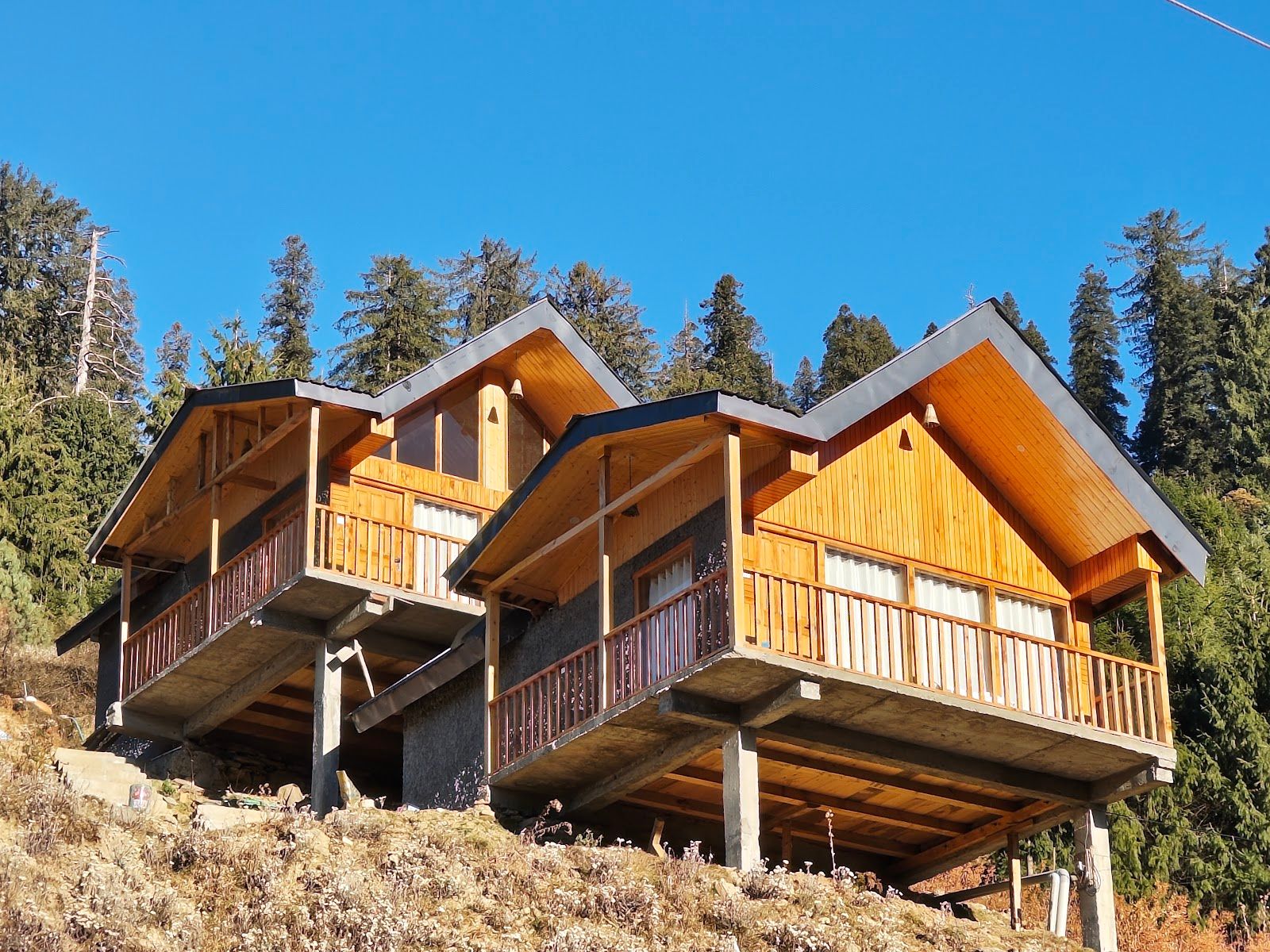
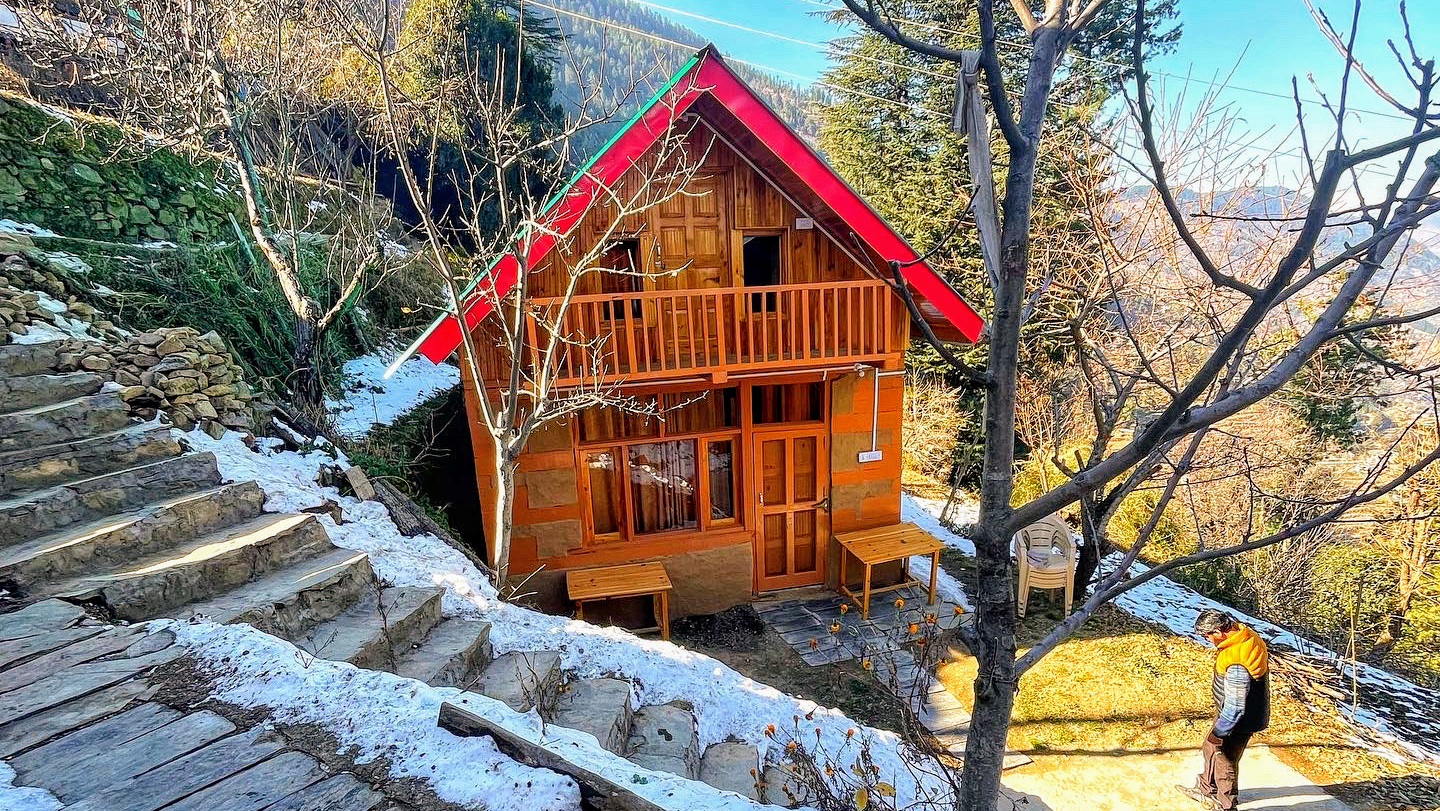
House in Shoja, HP. Bonfires & mountain views.
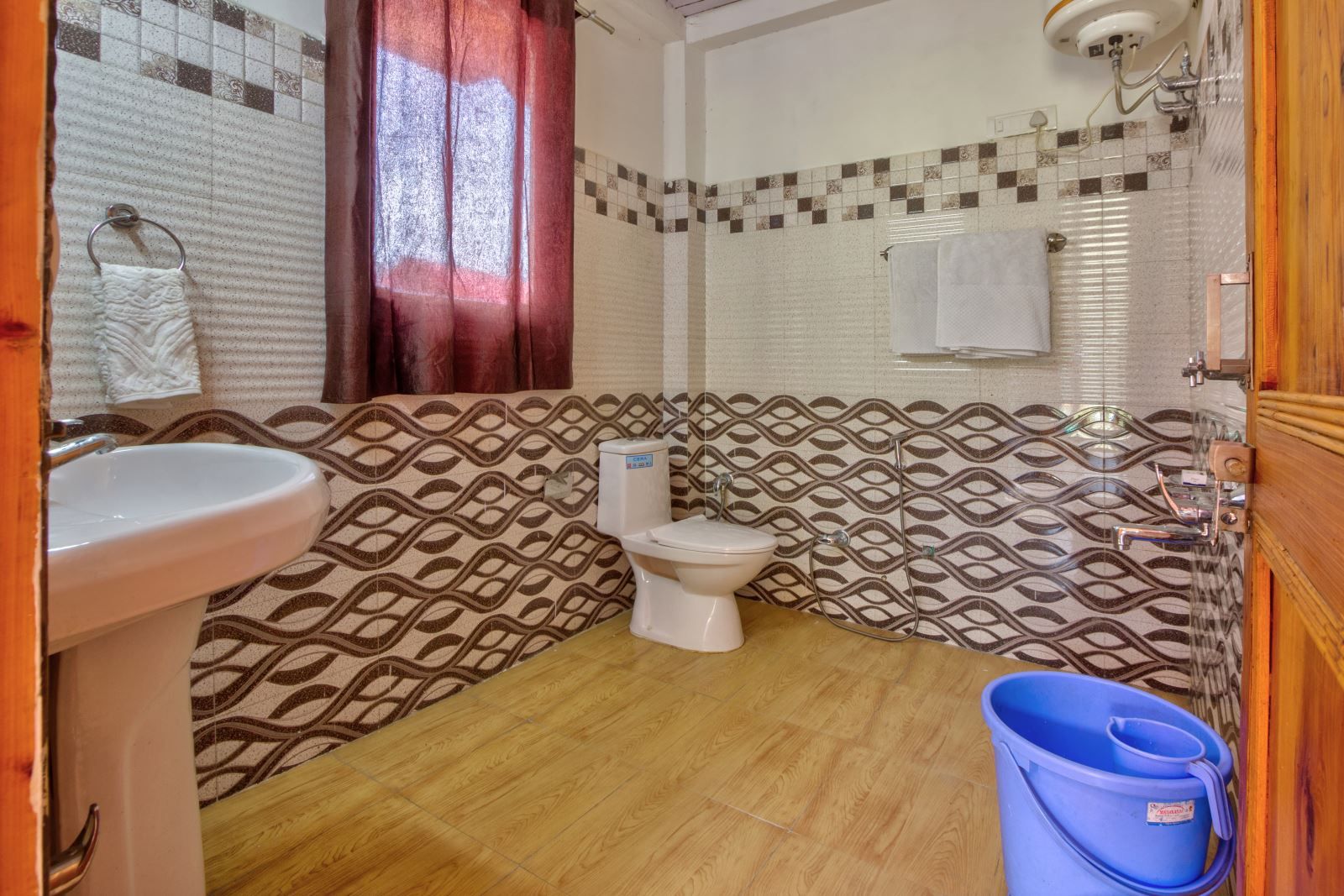
4.7· 43 stays
Things to do nearby.
Shoja is a small village, and life moves at its own pace. It's a good base for walking and for exploring the Tirthan Valley and Seraj region.
A few kilometres down the road is Jibhi, a slightly larger village with a number of popular cafes and small restaurants along the river. It’s an easy drive or a longer walk.
Suresh can also help arrange visits to nearby villages, like Sajwar, offering a glimpse into a way of life that hasn't changed much over the years.
For longer day trips, you can drive towards the Great Himalayan National Park, a UNESCO World Heritage Site known for its biodiversity. The main gate is a few hours' drive. Manali is also a possible, though long, day trip, where you can visit the Hadimba Devi temple or see the shops in Old Manali.
Getting there.
The journey to Shoja is part of the experience. The roads are winding and the views are wide.
By Air: The nearest airport is Bhuntar Airport (KUU) in Kullu, which serves the Kullu and Manali valleys. From the airport, it is a 2-3 hour drive to Shoja. Chandigarh (IXC) is the next closest major airport, about 8-9 hours away by car.
By Rail: The nearest major railway station is in Chandigarh. From there, you can hire a taxi or take a bus towards Manali, getting off at Aut. Shoja is a 1-2 hour drive from the Aut tunnel turn-off. The scenic toy train from Kalka to Shimla is another option, but Shimla is a different region and a long drive from Shoja.
By Road: Shoja is on the alternative route between Jalori Pass and Aut. Most drivers will take NH-3 towards Manali, exit at Aut, and drive up through Banjar and Jibhi to reach Shoja. Expect slow travel times; a 100km journey can easily take 4-6 hours in the hills.
Best time to visit.
The best months to visit Shoja are from March to June, when the weather is pleasant and the snow has melted from the higher passes. Another clear window is from September to November, after the monsoon, when the skies are crisp and the views are sharp.
July and August are monsoon months. The region sees heavy rainfall, which can cause landslides and road closures, especially on the main highways.
December through February brings snow, and higher roads like the Jalori Pass are often closed. The village itself is quiet and cold, a different kind of beauty.