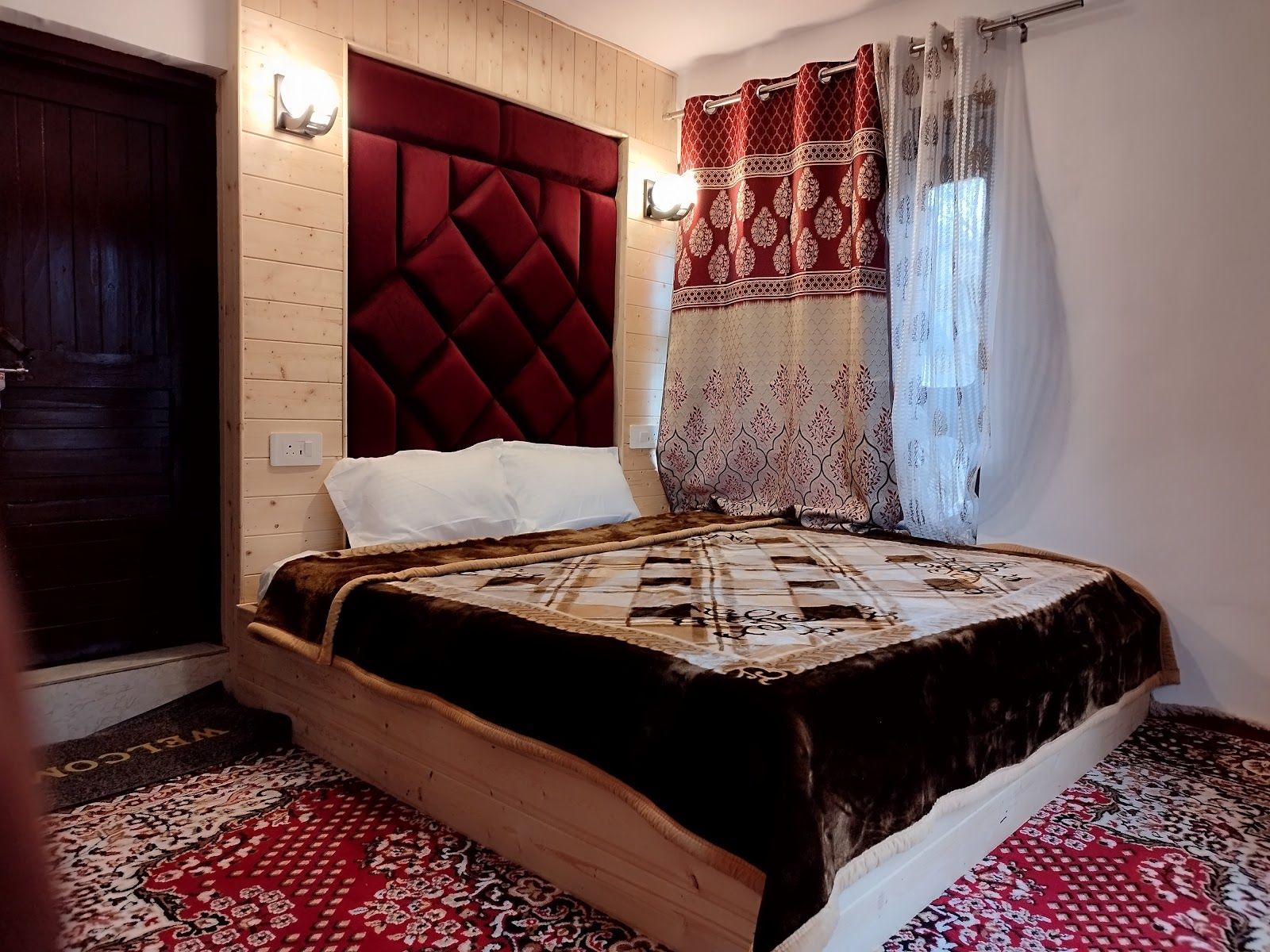
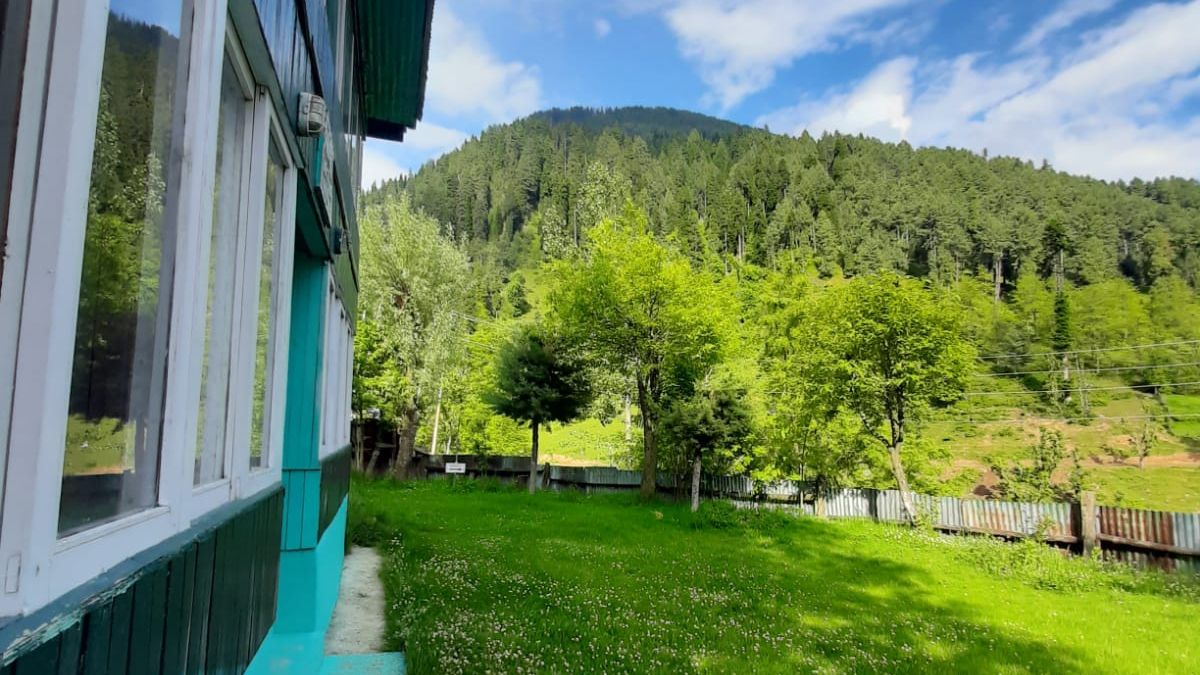
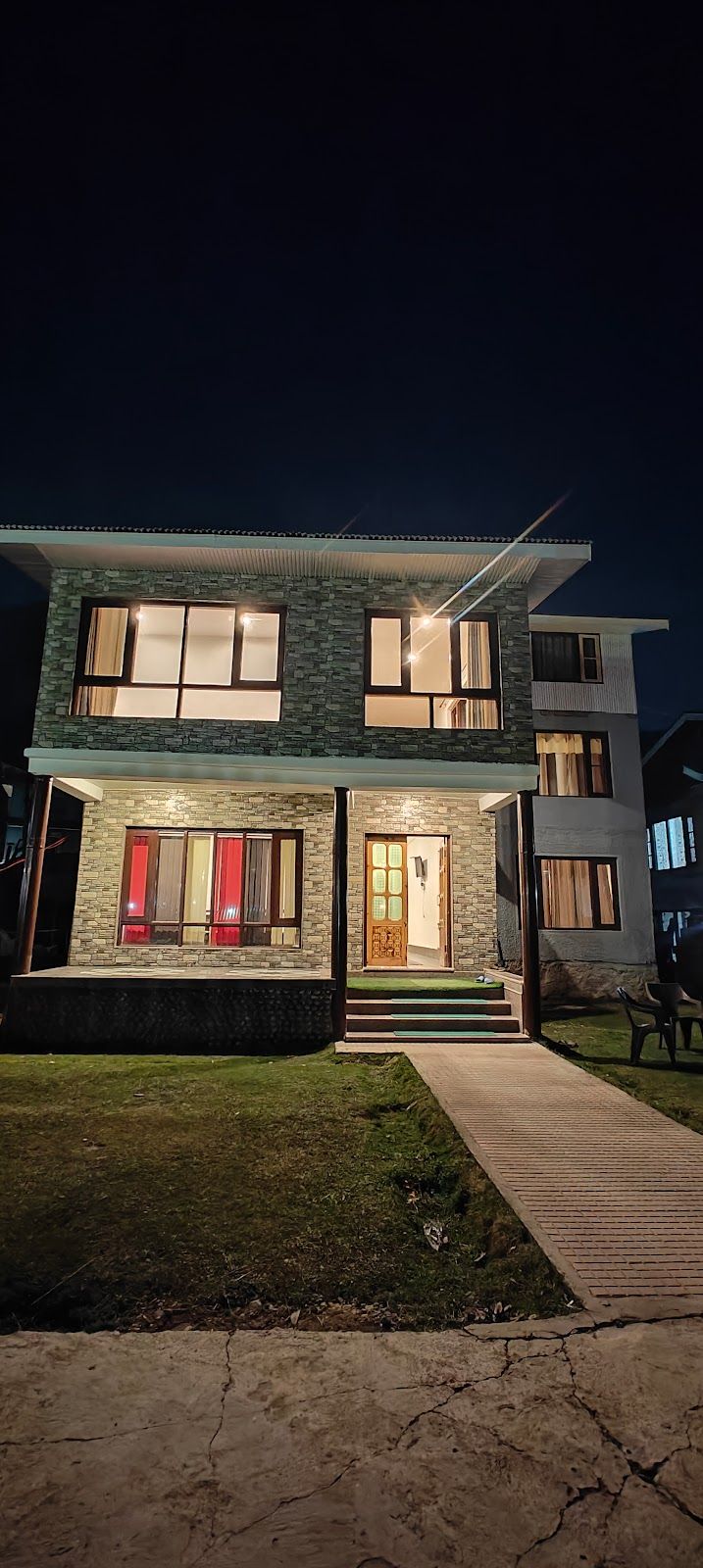
Aru Valley view homestay, Pahalgam, Kashmir
4.3· 57 stays
Things to do nearby.
Aru Valley lies 12 km from Pahalgam main town, serving as a quiet meadow ringed by dense pine forest at 2,400 meters elevation. It acts as the primary base for the Kolahoi glacier trek.
Betaab Valley sits 7 km away, named after the Hindi film shot across its river meadow. The area is flat and easy to walk around, making it a good choice for a half-day outing by the water.
The Lidder River flows straight through the region, offering spots for trout fishing and riverside walking trails right through town.
Chandanwari, located 16 km up the valley road, serves as the traditional starting point for the annual Amarnath Yatra and acts as a key snow point during winter months.
Baisaran meadow sits 5 km uphill from Pahalgam, often called Mini Switzerland. Visitors typically reach the alpine ridge on foot or by hiring local ponies.
Tulian Lake requires a 16 km round-trip hike. Situated at 3,353 meters, this alpine lake rewards serious walkers with high-altitude mountain scenery.
Mamleshwar Temple sits right in Pahalgam village, a 12th-century stone shrine dedicated to Lord Shiva that remains an active place of worship.
Getting there.
Srinagar International Airport (SXR) sits 95 km away, requiring roughly a 3-hour drive through Anantnag and along the Lidder river road. Taxis operate directly from the airport terminal.
Banihal Railhead lies 110 km to the south, accessible through the Jawahar Tunnel. Travelers arriving by train usually take a private taxi or shared vehicle north through Anantnag to reach Pahalgam.
Anantnag acts as the district headquarters 45 km away and serves as the main transit hub before entering the higher mountain roads leading into Pahalgam and Aru Valley.
Best time to visit.
April through October brings open mountain roads, clear valley views, and green meadows. Spring snow lingers on high peaks in April, while summer temperatures remain pleasant for walking. The annual Amarnath Yatra pilgrimage takes place between July and August, bringing increased traffic along regional access roads.
November through March brings heavy snowfall across the valley. Snow blocks higher trails during these months, though morning snowfall creates winter landscapes across the surrounding slopes.